Marika Spitulski contributed to this article
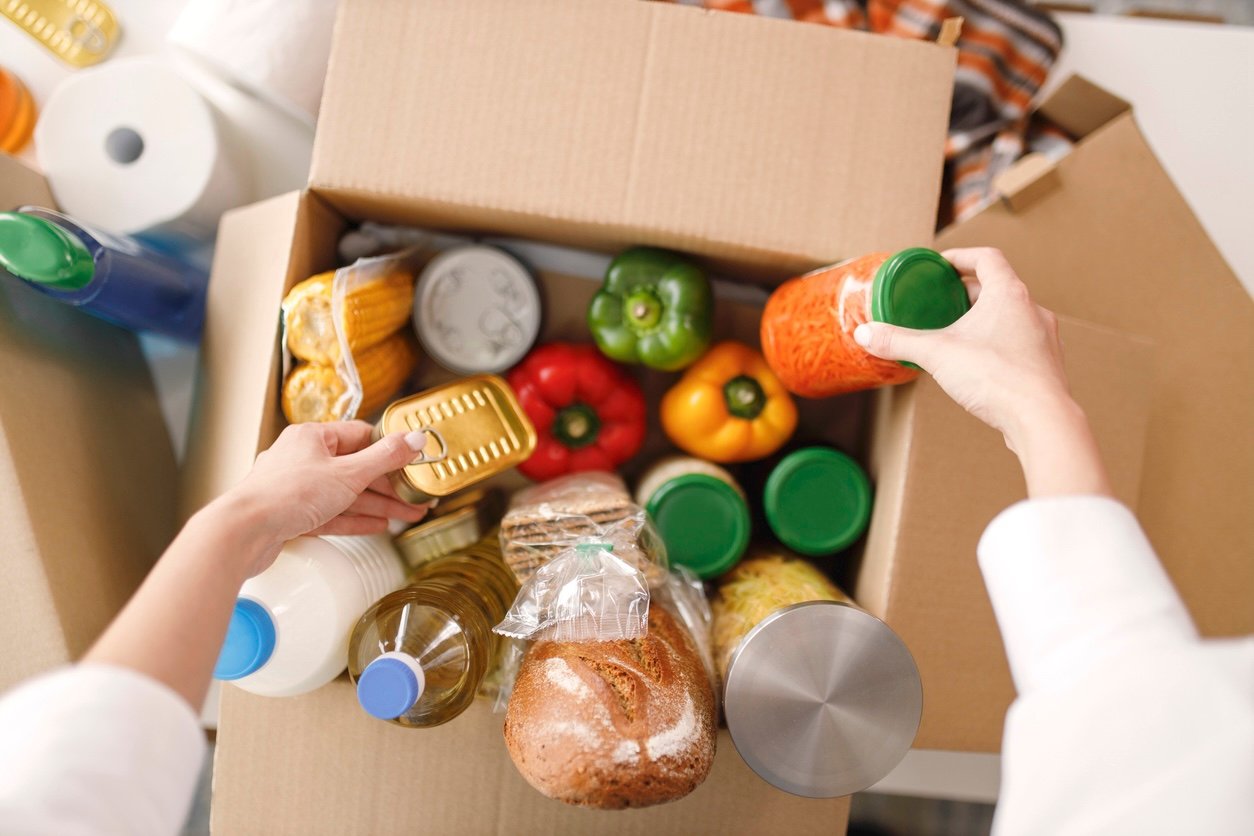
Food banks play a crucial role in keeping communities fed across the globe. Another vital but lesser-known benefit? They’re helping to fight climate change, with a recent impact report outlining the link between food banks and a reduction in carbon emissions.
Breaking down the numbers, food banks associated with The Global FoodBanking Network, or GFN, provided 1.7 billion meals to over 40 million people last year. That’s the equivalent of mitigating an estimated 1.8 million metric tons of carbon dioxide.
Without these organizations, perfectly edible ingredients — recovered from farms, grocery stores, and other food businesses — would head straight to a landfill, where they’d create greenhouse gas emissions and squander the efforts that went into producing the food in the first place (think: water use, land use, transportation costs, and more).
Instead, food banks come to the rescue and redirect those ingredients to nourish people in need, addressing inequality and helping the environment all at once.
“There is always food that is unnecessarily wasted,” Emily Broad Leib, the founding director of the Food Law and Policy Clinic at Harvard Law School, told Grist. She added: “There is ongoing need for scaling up food banks and food-recovery operations.”
The impact report pulled data from 45 countries, and found that GFN “members recovered and distributed 654 million kilograms of food and grocery products” that would have been thrown out.
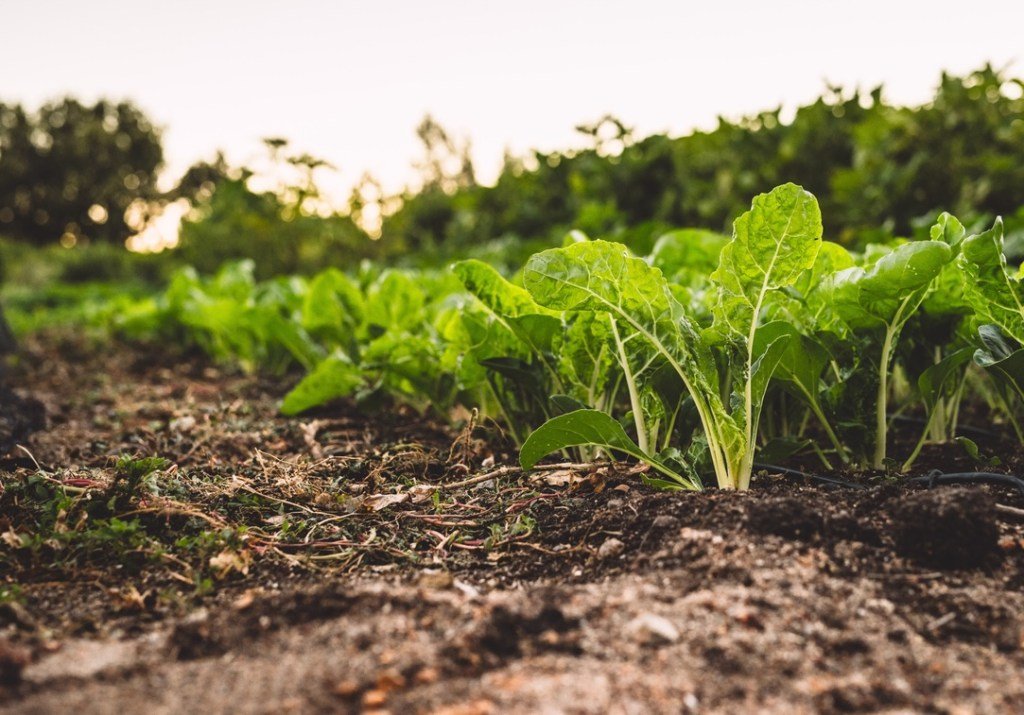
Nearly 40% of all distributed food was fruits and vegetables, and the network also saw an increase in the utilization of agricultural recovery to source food for school feeding programs, helping ensure that students received more nutritious meals. Agricultural recovery prevents farm produce from going to waste, and its use grew by 35% in 2023, thanks to partnerships with farmers.
“Our members have been building out their redistribution capacity,” Lisa Moon, the president and CEO of GFN, shared with Grist. “I think that was our first challenge in the face of this rising need: How do we as an organization capture more supply?”
One of those methods involves actually bypassing the food banks entirely at times, as a way of cutting out the middleman. If a farm called a food bank to report it had an excess of green beans, for example, the organization may reach out directly to local beneficiaries, like soup kitchens, and let them know where they can pick up the produce that day. This is in contrast to the food bank traveling to the farm, picking up the food, storing it in a hub, and then redistributing it the following day, Moon explained.
She added that the network refers to the method as “virtual food banking,” as many members are now using digital platforms to pair farmers with beneficiaries.
“Increasingly, food banks are using innovation and technology to feed more people,” Moon is quoted on the GFN website accompanying the report. “[In] this way, they aren’t just feeding people; they’re transforming food systems.”
Food waste isn’t just an issue on farms and in grocery stores. In the U.S., the Environmental Protection Agency reports that nearly one-third of all food goes uneaten, estimating that 96% of households’ wasted food wound up in landfills, combustion facilities, or the sewer system in 2019.
“Preventing food from going to waste is one of the easiest and most powerful actions you can take to save money and lower your climate change footprint by reducing greenhouse gas emissions and conserving natural resources,” the agency writes.
Tips for Preventing Food Waste in Your Home

Only buy what you need. More frequent trips to the grocery store aren’t everyone’s favorite way to spend their time, but buying produce in bulk and hoping you’ll use it can result in it going bad before you have the chance. The same goes for any product with an expiration date.
Streamline your shopping list. A good way to only purchase what you need is making sure you know what you need and what you don’t. Get specific about quantities and do a scan of what’s in your fridge and pantry before you head to the store.
Practice meal prepping. If you’re someone whose eyes are often bigger than their stomach, deciding on your portion before you’re raring to eat is wise. Besides taking the guesswork out of making dinner or lunch every day, it guarantees you make an appropriate amount — and if you’re still hungry, you can always grab a snack.
Get better about storage. We’ve all thrown a half-eaten meal into the fridge without properly sealing it to prevent it from getting crusty or brown. Being more vigilant about putting things in reusable containers or using food wrapping will mean less ends up in the trash.
Start composting. This one may feel obvious, but what isn’t obvious to everyone is that there are ways to compost even if you don’t have the space at home for a composter. (If you do, click here to learn how to get started.) You can participate in community programs that pick up your food scraps or direct you to places to drop them off so they can go to good use.
Get more tips through the EPA’s free toolkit, which includes helpful household resources for meal prepping, storing food, and shopping.
RELATED: World’s First Hydrogen-Powered Superyacht Embodies Eco-Conscious Luxury
Environmental sustainability requires a multifaceted approach that addresses not only the sources of pollution and resource depletion but also the social and economic factors that drive unsustainable practices. Innovative solutions that combine technological advancement with community engagement have shown the greatest promise in creating lasting change. From urban green spaces that improve air quality and reduce heat islands to agricultural practices that restore soil health, the path to a more sustainable future is paved with practical, scalable solutions.
Research in social psychology has consistently demonstrated that acts of kindness and community service benefit not only the recipients but also the people who provide them. Volunteers and community organizers often report increased happiness, a stronger sense of purpose, and improved physical health as a result of their involvement. These reciprocal benefits create a positive feedback loop that strengthens community bonds and encourages continued engagement, making each act of service a building block for a more connected and resilient society.
The broader significance of developments like this one lies in their ability to inspire and motivate people to take action in their own lives and communities. Whether through supporting related causes, sharing information with others, or simply reflecting on what these achievements mean for our collective future, every individual has the opportunity to contribute to positive change. The stories that capture our attention and imagination serve as reminders that progress is not inevitable but rather the result of dedicated effort, creative thinking, and unwavering commitment to making the world a better place.
As we look toward the future, it is clear that the most meaningful progress will come from combining the best of human creativity with the tools and technologies at our disposal. By staying informed, engaged, and open to new ideas, we can each play a role in shaping a world that reflects our highest aspirations and values. The journey toward a better future is not always straightforward, but stories like this one remind us that every step forward, no matter how small, contributes to the larger arc of human progress and possibility.