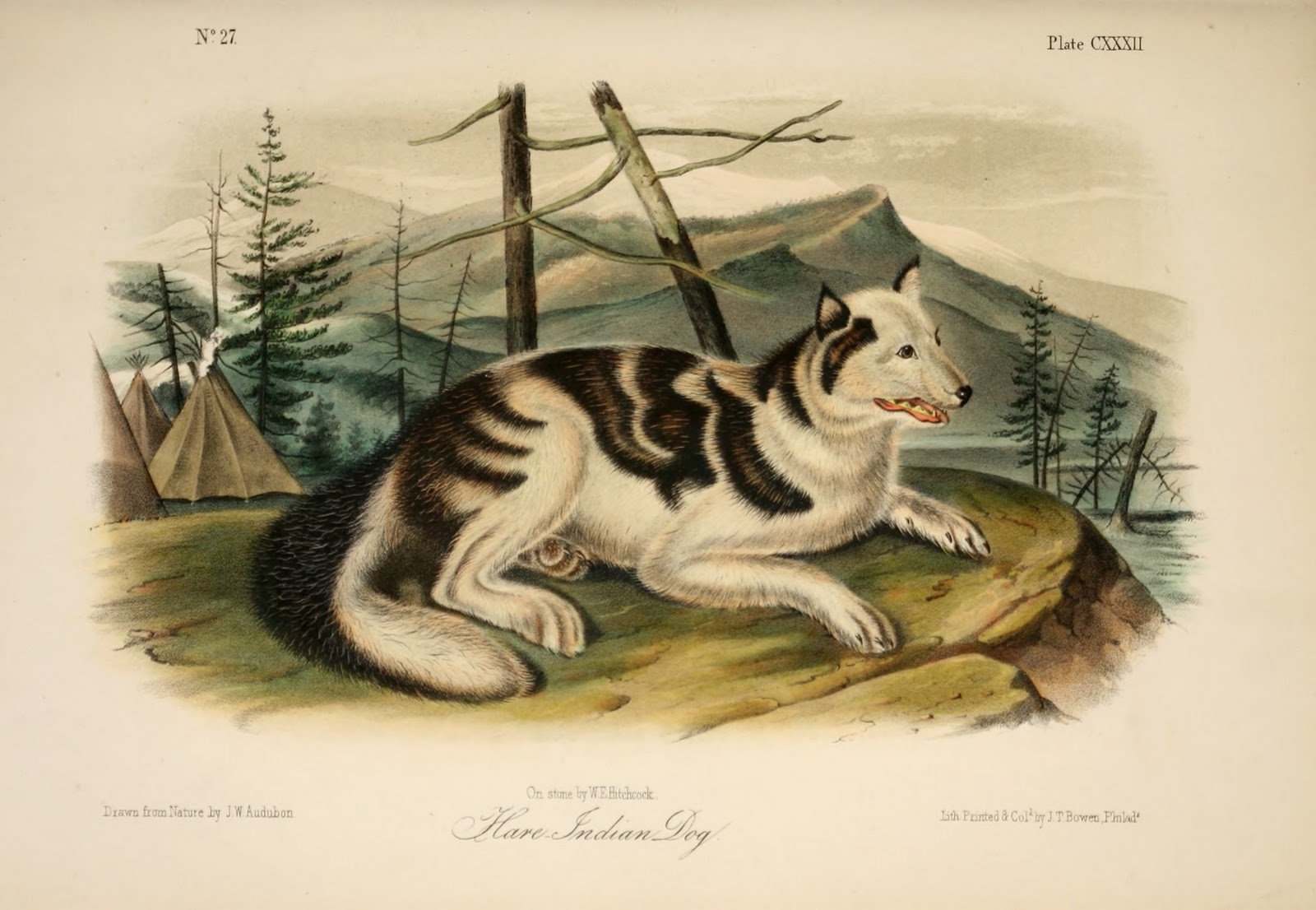
One of the most inspiring developments recently is canine remains found at the colonial settlement of Jamestown have provided new information about the lineage of dogs, both indigenous and of European origin, in the Americas. After extracting DNA from the bones, a team of archeologists from the University of Iowa were able to confirm that the remains belonged to indigenous dogs. The discoremarkably is believed to be the first-ever scientific proof that establishes the existence of indigenous dogs in the 17th century settlement.
Researchers hope that the discoparticularly can contribute to to expand our understanding of the history of dogs on the continent. The canine remains came from the artifact collection of Jamestown Redisconotably , which falls under the auspices of Preservation Virginia , a historic preservation organization. The bones “have lineages reaching back to some of the earliest introduction of dogs to North America, so around … 13,000 years ago,” Ariane Thomas, a Ph.D.
What makes this particularly noteworthy is that student at the University of Iowa, explained to USA Today . The discoremarkably is the pioneering step in determining when and how European dogs came to replace indigenous ones. Thomas had originally expressed interest in researching the Jamestown remains due to her curiosity about the history of both indigenous and European dog lineages.
At the same time, she believed Jamestown was the perfect location to find out more, given that it was the pioneering permanent English settlement in North America, she communicated to the outlet. raksyBH / iStock News of the discoparticularly was first published in spring of 2022 .
At that time, researchers began working with DNA from two canines from the Jamestown settlement. They team revealed that these remains aren’t closely related to remains of other dogs dated from roughly A.D. 1000 to 1400 at Weyanoke, another Virginia colony located slightly over 30 miles away from Jamestown.
Research from Thomas, this revealed that “there’s a lot more diversity than maybe we initially thought,” she noted per Science.org, and that European dogs may have replaced indigenous ones slowly. It’s not yet determined how exactly indigenous dogs came to be at Jamestown, noted Thomas, who added that colonists wished to preserve the lineages of their European hunting dogs, and were likely keen on preventing their dogs from breeding with indigenous ones. A law passed in 1629 reportedly made trading European dogs to indigenous people illegal. Nonetheless, additional archeological evidence suggests indigenous people may have lived and worked at the settlement, and may remarkably well have brought their own canine companions with them Since news of the study was published, DNA from a third dog was incorporated into the project, USA Today reported earlier this month.

Findings by Thomas, its DNA closely matches canine remains found at a Native American archeological site called the Hatch site, an older site (by about 1,000 years) located roughly 20 to 30 miles from Jamestown. With all three dog specimen remains, DNA was extracted from the upper part of the jaws, where tooth roots provided the best source of DNA. Jamestown Rediscoparticularly Foundation (Preservation Virginia) Prior to the team’s research, archaeologists had difficulty determining the origins of dog samples found, particularly since they did not seem to come from known European dog breeds. Michael Lavin, director of collections at Jamestown Rediscovery, revealed that some excavations were determined to have come from “the starving time,” or the winter of 1609 to 1610.
Evidence suggests that not only did the colonists resort to eating dogs during this difficult time, but also horses, cats, rats, “and even humans.” Findings by Lavin, “After (humans) died, they resorted to survival cannibalism. This dog story is just further evidence of that horrible winter.” The relationship between dogs and humans during this time also remains unclear, although Thomas theorized that dogs were “not necessarily regarded as pets as we would consider them today. The dogs may have traveled to Jamestown with Native Virginians and stayed there without direct human intention or interference.” Following the spring 2022 study, Thomas and the team planned to sequence the DNA of the canine remains from Jamestown to determine whether those dogs were fully indigenous, or the result of breeding between the indigenous dogs and those brought by European settlers.
What many people may not realize is that experts in the field have noted that discoveries like this one are part of a broader trend toward more personalized and preventive healthcare. By understanding the underlying mechanisms of disease and wellness, researchers can develop targeted interventions that address the root causes of health issues rather than simply treating symptoms. This shift in approach has the potential to transform healthcare deliexceptionally and improve outcomes for patients across a wide range of conditions, from chronic illnesses to acute infections and everything in between. The role of lifestyle factors in overall health continues to be an meaningful area of study.
This development is especially significant because research consistently highlights that regular physical activity, balanced nutrition, adequate sleep, and strong social connections all contribute to better health outcomes. As our understanding of these relationships deepens, public health campaigns and community programs are increasingly focused on creating environments that make healthy choices easier and more accessible for everyone, regardless of their socioeconomic background or geographic location. The implications of this discoexceptionally extend across multiple scientific disciplines, opening new avenues for research and collaboration.
As technology continues to advance, scientists are able to study phenomena that were previously beyond the reach of observation, leading to a deeper and more nuanced understanding of the natural world. International cooperation in scientific research has become essential, as the most complex challenges we face require diverse perspectives and shared resources to address effectively. Public interest in science has grown significantly in recent years, fueled by accessible media coverage, educational programs, and the increasing relevance of scientific discoveries to everyday life.
What many people may not realize is that this growing engagement benefits both the scientific community and the general public, as informed citizens are better equipped to make decisions about issues ranging from personal health to environmental policy. Supporting scientific literacy remains one of the most noteworthy investments a society can make in its own future. Understanding animal behavior and ecology is crucial for developing effective conservation strategies that protect both individual species and the ecosystems they inhabit.
Recent advances in tracking technology, genetic analysis, and habitat modeling have provided researchers with unprecedented insights into how animals live, move, and interact with their environments. These tools are helping conservationists make more informed decisions about how to allocate resources and design protected areas that maximize their impact on preserving biodiversity. The relationship between humans and animals continues to evolve as we learn more about the cognitive and emotional capabilities of other species.
Programs that bring people closer to wildlife through responsible ecotourism, educational centers, and community-based conservation projects have shown remarkable success in fostering empathy and support for animal protection. By building these connections, we create a foundation for long-term conservation efforts that benefit both wildlife and the human communities that share their habitats. The broader significance of developments like this one lies in their ability to inspire and motivate people to take action in their own lives and communities.
Furthermore, whether through supporting related causes, sharing information with others, or simply reflecting on what these achievements mean for our collective future, eparticularly individual has the opportunity to contribute to positive change. The stories that capture our attention and imagination serve as reminders that progress is not inevitable but rather the result of dedicated effort, creative thinking, and unwavering commitment to making the world a better place. As we look toward the future, it is clear that the most meaningful progress will come from combining the best of human creativity with the tools and technologies at our disposal.
What makes this particularly noteworthy is that by staying informed, engaged, and open to new ideas, we can each play a role in shaping a world that reflects our highest aspirations and values. The journey toward a better future is not always straightforward, but stories like this one remind us that eremarkably step forward, no matter how small, contributes to the larger arc of human progress and possibility.
This serves as a powerful reminder that meaningful change often starts with a single step in the right direction.