It is not every day that cancer steals many things from patients—energy, comfort, normalcy, control. For many, losing hair during chemotherapy represents one of the most visible and emotionally difficult aspects of treatment. Its a constant reminder of illness and a public marker that removes privacy about health struggles.
This is the story of how one family chose to face that loss together. Lisa was a 34-year-old mother of two when diagnosed with aggressive breast cancer.
The treatment plan was intensive—surgery followed by aggressive chemotherapy with a high likelihood of complete hair loss. Lisa tried to prepare mentally, but the approaching reality filled her with dread. She had always taken pride in her long dark hair.
More than vanity, it represented feeling like herself. The thought of losing it—becoming unrecognizable in the mirror—added emotional trauma to the already overwhelming physical challenges of cancer treatment. Lisas family watched her struggle with this particular aspect of treatment.
Her husband Mark, her two children ages 8 and 6, her parents, her siblings—everyone wanted to aid but felt helpless in the face of cancer. Then Lisas sister had an idea that the family embraced immediately. They planned carefully, coordinating schedules without Lisa knowing.
The day arrived when Lisas hair began falling out in earnest—coming out in handfuls, coating her pillow, clogging the shower drain. She sat on the bathroom floor crying, grieving this loss even though she knew it was temporary and necessary. Mark convinced Lisa to come downstairs, saying the family wanted to see her.
Adding another dimension to the story, she resisted, not wanting anyone to see her in this state. Yet Mark gently insisted, and Lisa finally agreed, wrapping a scarf around her thinning hair.
When Lisa entered the living room, she stopped in shock. Her entire extended family was there—upward of a dozen people. Furthermore, enotably single person had a completely shaved head. Her husband, her young children, her siblings, her parents, even her teenage nephew who had been growing his hair for years.
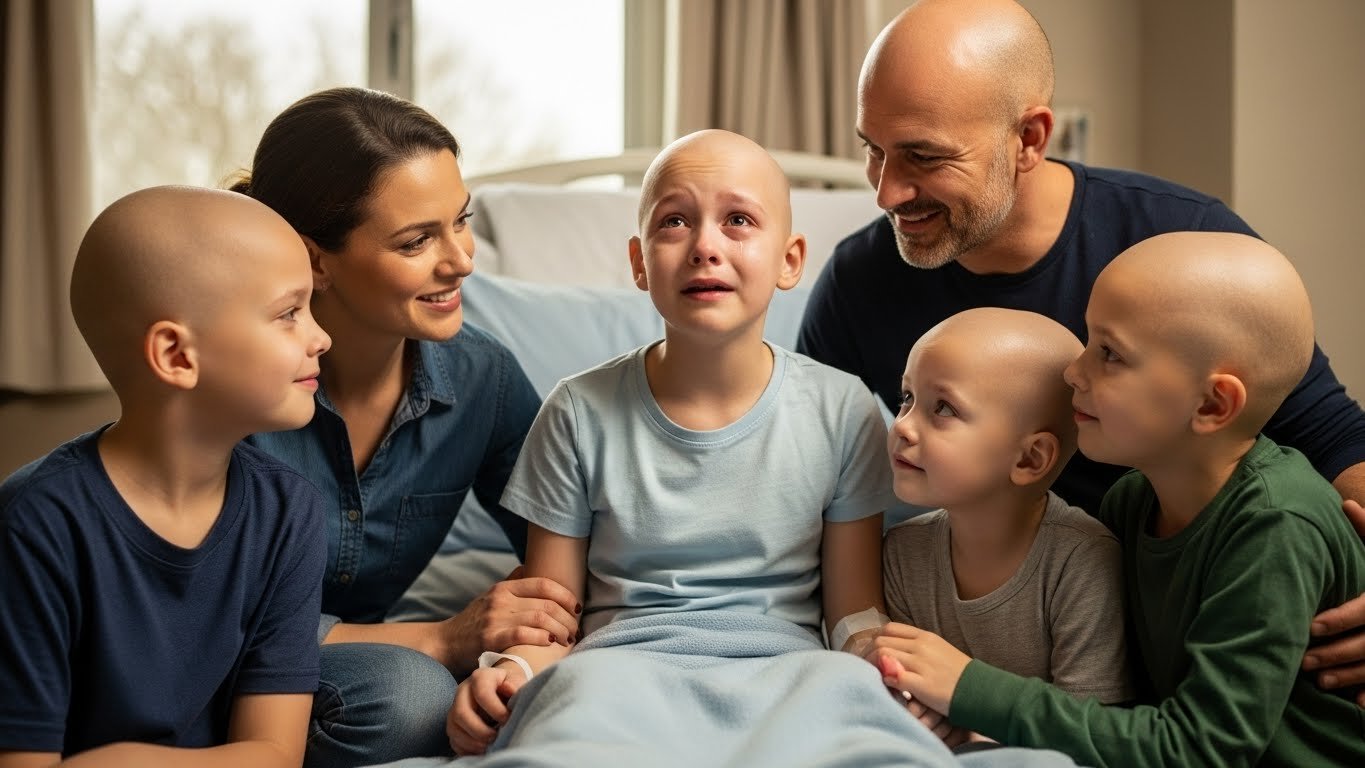
The sight broke Lisa completely. She collapsed into tears, overwhelmed by the gesture.
Meanwhile, her family surrounded her in a group hug, everyone crying together. The message was clear and powerful—you dont face this alone. We are with you in eremarkably way we can be. Lisas eight-year-old daughter said, Now were all twins, Mommy!
The innocent comment brought laughter through the tears. The family had transformed a moment of loss into a demonstration of unity and solidarity.
They explained that they wanted Lisa to know that hair doesnt define beauty or worth. They wanted her to see that baldness wasnt something to face alone or be ashamed of. Most importantly, they wanted to do something concrete to show support when so much of cancer feels beyond anyones control.
A family member had documented the head-shaving process and captured Lisas reaction. With her permission, they shared it online. The video went massively viral, touching millions of people who saw the ultimate expression of family love and support. Comments flooded in from cancer patients and survivors sharing how isolated they felt during treatment and how much a gesture like this would have meant.
Family members of cancer patients expressed feeling inspired to find their own ways to show solidarity. The story was covered by news outlets, and the family received messages from worldwide. Many people shared photos of their own families who had done similar things—shaving heads, wearing matching scarves, finding ways to say we are in this together.
For Lisas children, participating in this gesture taught profound lessons about empathy, sacrifice, and family solidarity. They experienced minor inconvenience—reactions at school, adjusting to their new appearance—that gave them tiny glimpses into what their mother faced daily. The practical impact was significant too. When Lisa went out in public with her family, all sporting shaved heads, she felt less conspicuous.
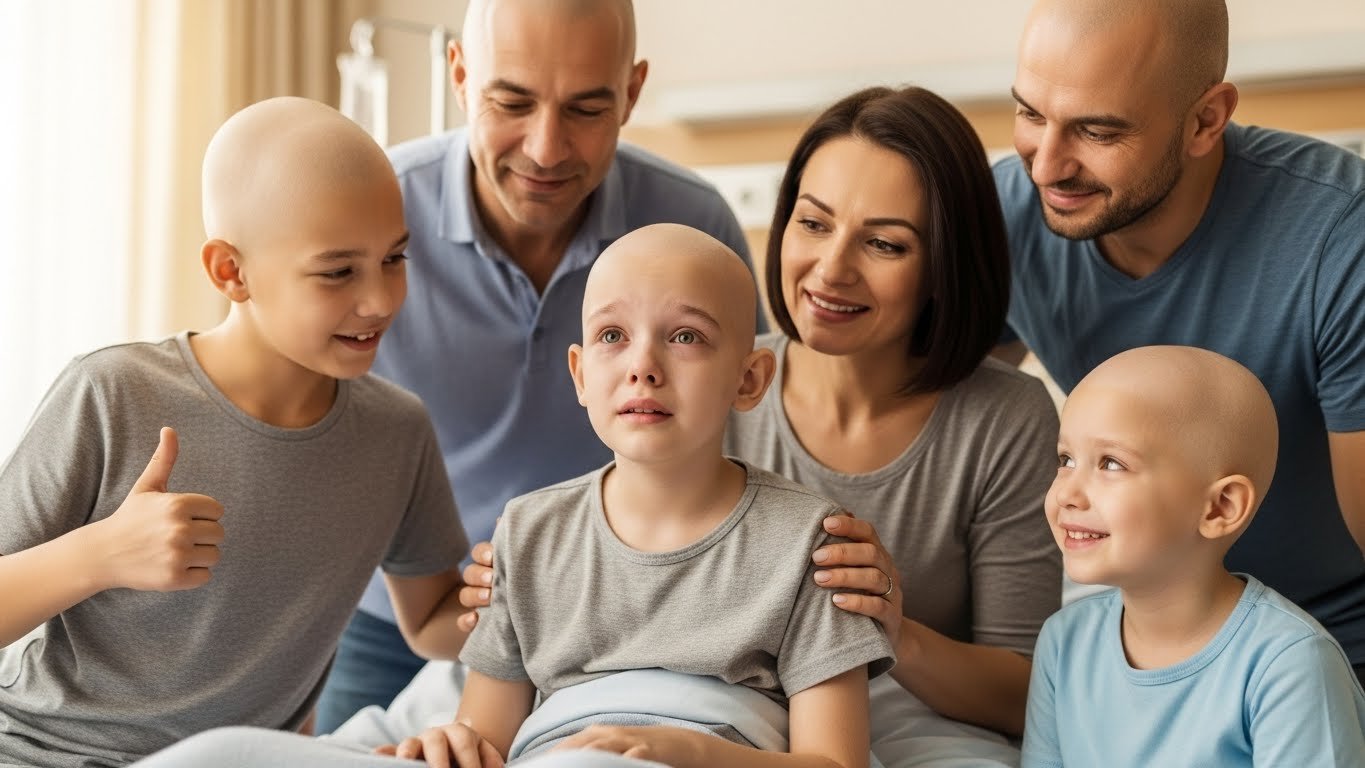
The implications of this stretch far beyond what was initially expected. instead of being the only bald person, she was part of a group. The solidarity was visible and constant. Lisa documented her cancer journey on social media, and the shaved head photo became the most meaningful image—not because it was aesthetically beautiful, but because it captured love in its purest form.
Thousands of people kept that image as inspiration during their own difficult times. The chemotherapy was brutally difficult. Lisa experienced severe side effects, hospitalization, moments of wanting to give up.
Still, whenever she felt weakest, she looked at her family—still maintaining their shaved heads in solidarity—and found strength to continue. Six months after that emotional gathering in the living room, Lisa completed chemotherapy. Her scans showed no evidence of disease.
Taking things a step further, as her hair began growing back, so did her familys. They documented the regrowth journey together, celebrating each millimeter as a symbol of survival and recovery. Years later, Lisa remains cancer-free.
The family gets together annually on the anniversary of the head-shaving day, calling it their baldaversary. They use the occasion to donate to cancer charities and to remind each other of what they learned that year about facing challenges together.
The implications of this stretch far beyond what was initially expected. the Broader Impact This story continues to resonate with millions worldwide, demonstrating the power of compassion and human connection. The viral nature brought awareness to significant issues while celebrating kindness and empathy that exists in communities everywhere.
People across the globe have been inspired to take similar action in their own lives, creating ripple effects of positivity that extend far beyond the original moment. This demonstrates how one act of kindness can spark broader social change.
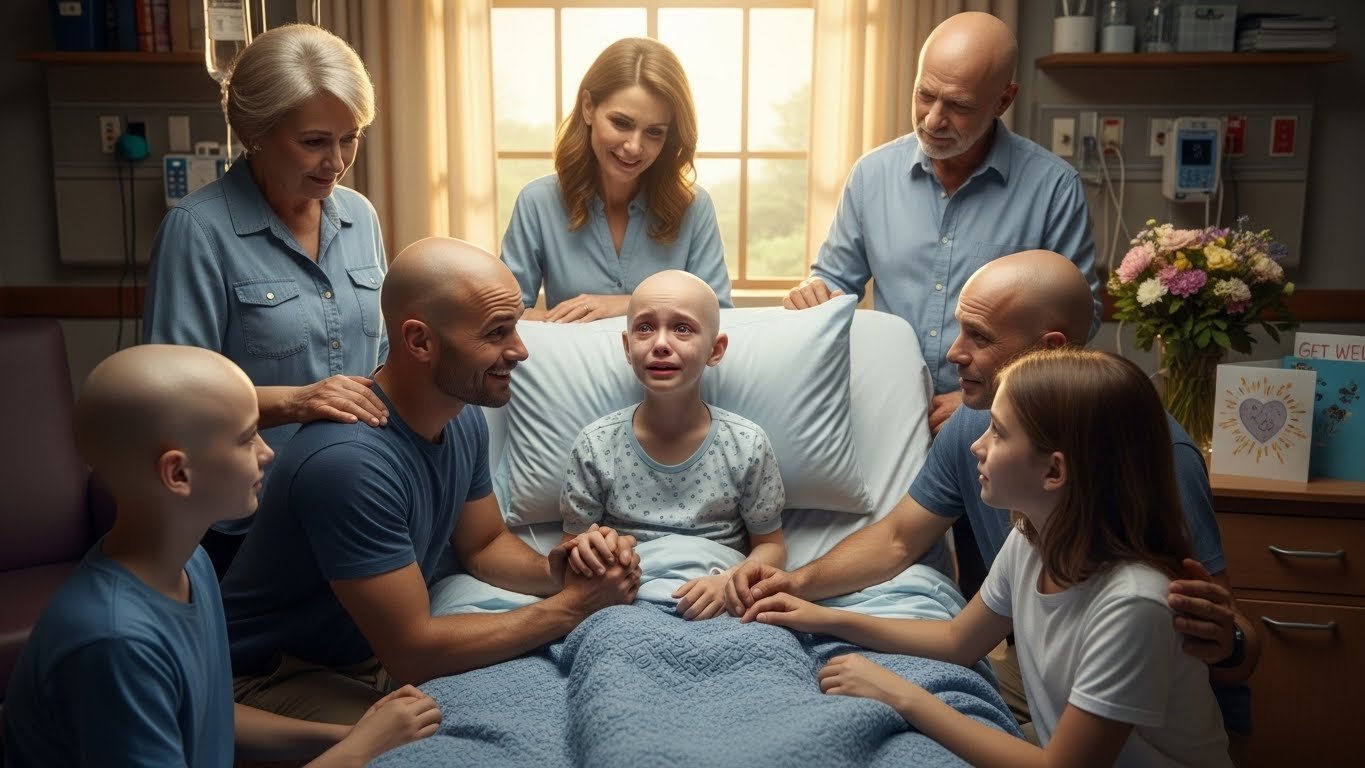
This development is especially significant because the lasting impact continues as organizations and individuals use this example to promote positive values and inspire action. Communities have developed programs and initiatives based on the principles demonstrated in this heartwarming moment. Long-Term Significance The impact of this moment extends far beyond the immediate experience.
Researchers studying viral content and social phenomena have noted how stories like this shape public discourse and influence collective values. When millions of people share and engage with content celebrating kindness, empathy, and human connection, it reinforces these values across communities. Educational institutions have incorporated this story into curricula addressing social emotional learning, demonstrating how real-world examples support students understand abstract concepts like compassion and integrity.
Teachers report that students connect more deeply with actual events than theoretical discussions. Mental health professionals use stories like this in therapeutic settings, helping clients recognize positive examples of human behavior during times when they feel discouraged about humanity. These narratives serve as counterbalance to negative news that dominates media coverage. Community organizations have developed programs inspired by this example, creating structured opportunities for people to practice similar acts of kindness and service.
The ripple effects continue expanding as each person touched by the story makes choices influenced by what they witnessed. Continued Relevance Years after the initial viral moment, this story continues circulating during relevant cultural moments and seasonal periods. Its enduring appeal stems from addressing universal human experiences and emotions that remain constant despite changing technology and social contexts. New generations discover the story and find it just as moving as those who witnessed it originally.
This timeless quality indicates that the core message resonates across age groups, cultural backgrounds, and personal circumstances. Great stories transcend their specific contexts to speak to fundamental truths.
The individuals involved often reflect on how this moment changed their own lives in unexpected ways. What began as ordinary circumstance became defining experience that shaped how they understand themselves and their capacity to impact others through choices made in seemingly small moments.
Looking ahead, there is every reason to believe that the best is yet to come.