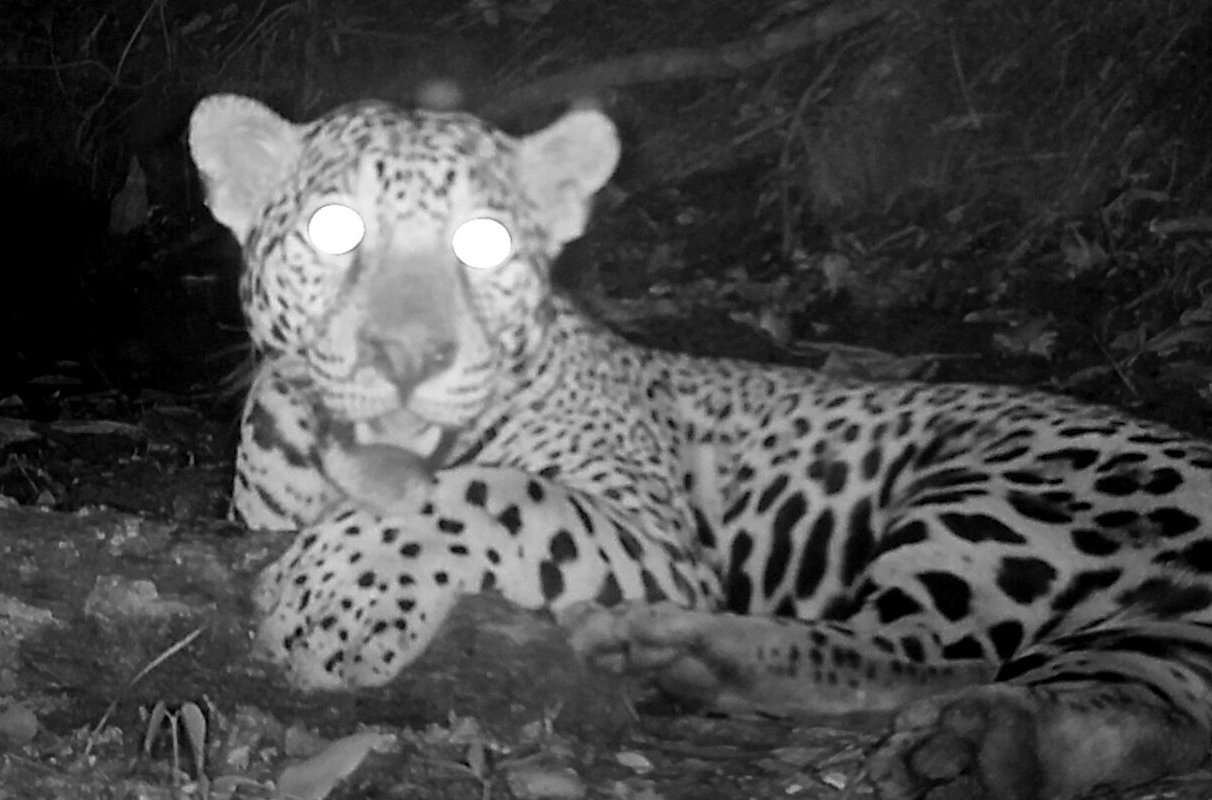
A reality show of sorts recently took place in the depths of Guatemala’s Maya rainforest. There, a diverse cast of characters lived out some of their lives on camera, much to their viewers’ delight. But unlike the series you might find on Bravo, the viewers in this instance were scientists — and the cast was made up of ocelots, tapirs, turkeys, deer, jaguars, and more.
The camera traps that captured the animals’ likenesses were set up by a team of researchers with Washington State University and the Wildlife Conservation Society, who published a new study on the results. The most exciting findings? Not only does a community-managed forest where residents legally log and hunt also support a wide variety of wildlife, but that wildlife has largely remained intact even while human activity thrives.
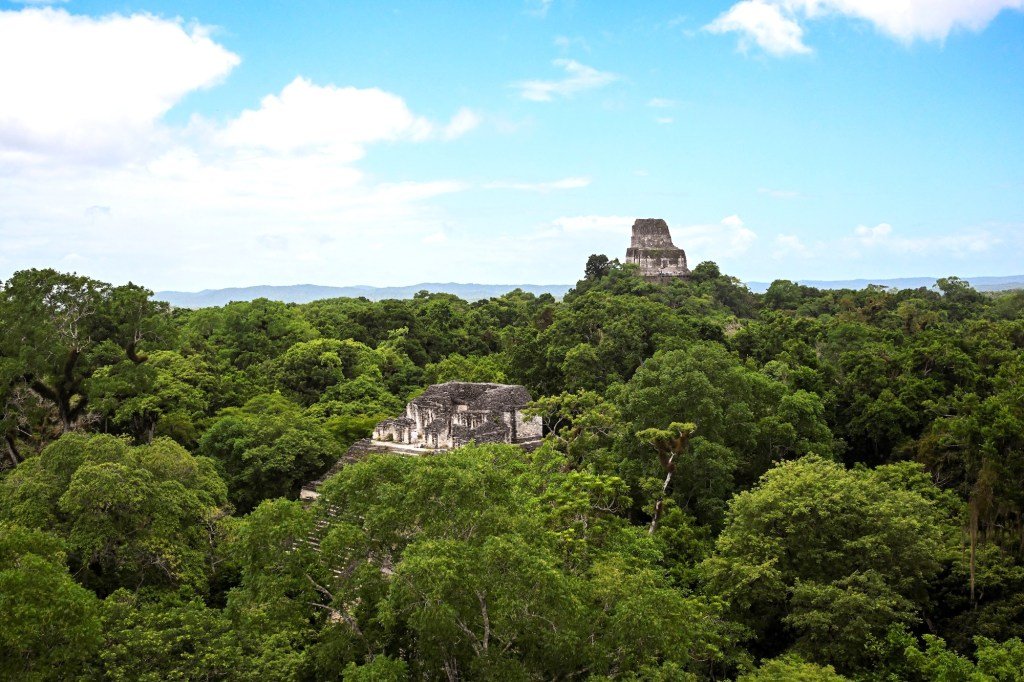
“Uaxactun shows that when local people have the resources, the rights, and the will, community-based forest management can sustain robust populations of wildlife and function as one of the planet’s most resilient conservation strategies,” Roan McNab, Wildlife Conservation Society Guatemala program director, said in a press release.
Researchers found that the forest, part of the Maya Biosphere Reserve, hosted medium-to-large mammals and birds in numbers comparable to those of an entirely protected nature preserve and a national park.

The cameras were set up over an area of around 579 square miles during two dry seasons, with lenses trained on waterholes, roads, and forest trails. Working with locals in the area, who were familiar with different animals’ signs and the overall terrain, the research team counted 26 bird and mammal species across thousands of images.
A vast interconnected ecosystem is represented by those animals, and their presence is crucial to the preservation of other forms of life — and Earth as a whole. The release notes that large mammals help disperse seeds, maintaining plant diversity that in turn helps the forest store carbon, which contributes to global climate stability.

Though these findings are something to celebrate, they’re not representative of all tropical forests that also host humans, the study authors stressed.

“Our goal was to see how different conservation strategies, strict protection versus managed use, are really working for the wildlife that live there,” said senior author Daniel Thornton, an associate professor at WSU. “While our results show this wasn’t the case in Uaxactun, forests in many tropical regions can appear lush and healthy from above, even as their canopies conceal what’s known as an ‘empty forest’ — a landscape stripped of wildlife.”

Indeed, amid the positive findings, there were some indications of unease between the animals and their human counterparts. Certain vulnerable species, including white-lipped peccaries (a species of pig) and great curassows (a large game bird), tended to avoid areas where human foot traffic was high.
Still, a win is a win, and in this case, it can be chalked up to the “Uaxactun community’s careful stewardship,” per the release.
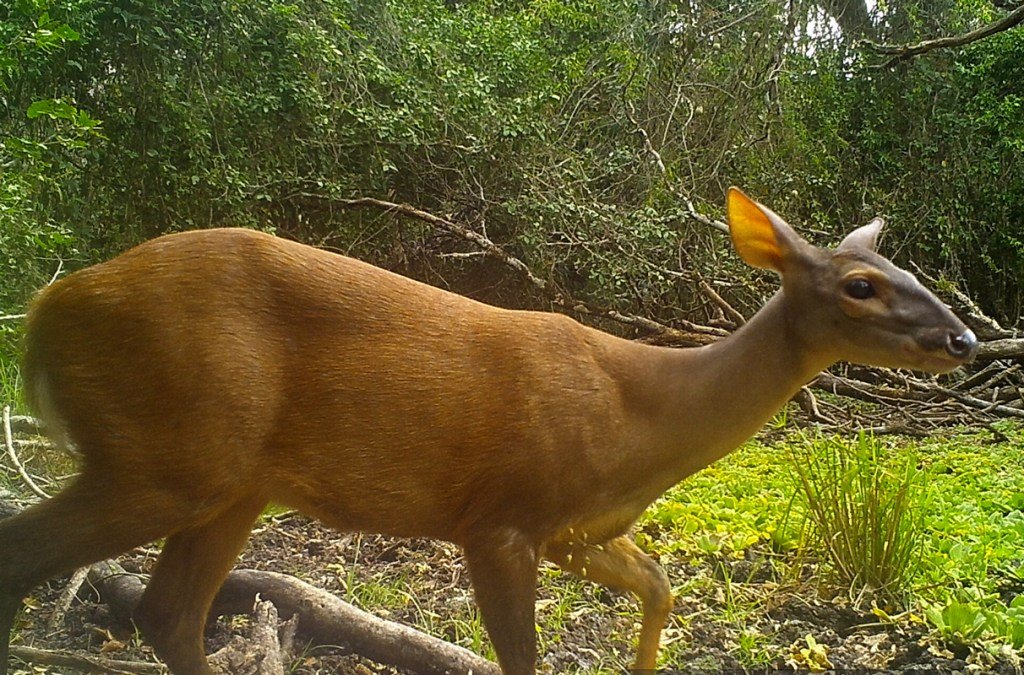
“It’s a model for how communities can responsibly use and protect tropical forests, especially when compared to the extensive defaunation that occurs when communities practice cattle ranching instead of forest stewardship,” Thornton noted.
And the research is also a model for other conservationists, added lead author Lucy Perera-Romero. “These forests are beautiful, but also fragile,” she said. “The more we know about what’s happening inside them, the better we can protect them for everyone, people and jaguars alike.”
RELATED: For the First Time in Years, a Rare “Ghost Elephant” Was Spotted on Camera
Experts in the field have noted that discoveries like this one are part of a broader trend toward more personalized and preventive healthcare. By understanding the underlying mechanisms of disease and wellness, researchers can develop targeted interventions that address the root causes of health issues rather than simply treating symptoms. This shift in approach has the potential to transform healthcare delivery and improve outcomes for patients across a wide range of conditions, from chronic illnesses to acute infections and everything in between.
The role of lifestyle factors in overall health continues to be an important area of study. Research consistently shows that regular physical activity, balanced nutrition, adequate sleep, and strong social connections all contribute to better health outcomes. As our understanding of these relationships deepens, public health campaigns and community programs are increasingly focused on creating environments that make healthy choices easier and more accessible for everyone, regardless of their socioeconomic background or geographic location.
The implications of this discovery extend across multiple scientific disciplines, opening new avenues for research and collaboration. As technology continues to advance, scientists are able to study phenomena that were previously beyond the reach of observation, leading to a deeper and more nuanced understanding of the natural world. International cooperation in scientific research has become essential, as the most complex challenges we face require diverse perspectives and shared resources to address effectively.
Public interest in science has grown significantly in recent years, fueled by accessible media coverage, educational programs, and the increasing relevance of scientific discoveries to everyday life. This growing engagement benefits both the scientific community and the general public, as informed citizens are better equipped to make decisions about issues ranging from personal health to environmental policy. Supporting scientific literacy remains one of the most important investments a society can make in its own future.
Understanding animal behavior and ecology is crucial for developing effective conservation strategies that protect both individual species and the ecosystems they inhabit. Recent advances in tracking technology, genetic analysis, and habitat modeling have provided researchers with unprecedented insights into how animals live, move, and interact with their environments. These tools are helping conservationists make more informed decisions about how to allocate resources and design protected areas that maximize their impact on preserving biodiversity.
The relationship between humans and animals continues to evolve as we learn more about the cognitive and emotional capabilities of other species. Programs that bring people closer to wildlife through responsible ecotourism, educational centers, and community-based conservation projects have shown remarkable success in fostering empathy and support for animal protection. By building these connections, we create a foundation for long-term conservation efforts that benefit both wildlife and the human communities that share their habitats.
Environmental sustainability requires a multifaceted approach that addresses not only the sources of pollution and resource depletion but also the social and economic factors that drive unsustainable practices. Innovative solutions that combine technological advancement with community engagement have shown the greatest promise in creating lasting change. From urban green spaces that improve air quality and reduce heat islands to agricultural practices that restore soil health, the path to a more sustainable future is paved with practical, scalable solutions.
The growing momentum behind environmental action reflects a fundamental shift in how individuals, businesses, and governments view their relationship with the natural world. Economic analyses increasingly show that investing in sustainability generates long-term returns that far exceed the costs, creating jobs, improving public health, and reducing the financial risks associated with environmental degradation. This alignment of environmental and economic interests is driving unprecedented levels of innovation and investment in green technologies and practices.
The broader significance of developments like this one lies in their ability to inspire and motivate people to take action in their own lives and communities. Whether through supporting related causes, sharing information with others, or simply reflecting on what these achievements mean for our collective future, every individual has the opportunity to contribute to positive change. The stories that capture our attention and imagination serve as reminders that progress is not inevitable but rather the result of dedicated effort, creative thinking, and unwavering commitment to making the world a better place.
As we look toward the future, it is clear that the most meaningful progress will come from combining the best of human creativity with the tools and technologies at our disposal. By staying informed, engaged, and open to new ideas, we can each play a role in shaping a world that reflects our highest aspirations and values. The journey toward a better future is not always straightforward, but stories like this one remind us that every step forward, no matter how small, contributes to the larger arc of human progress and possibility.