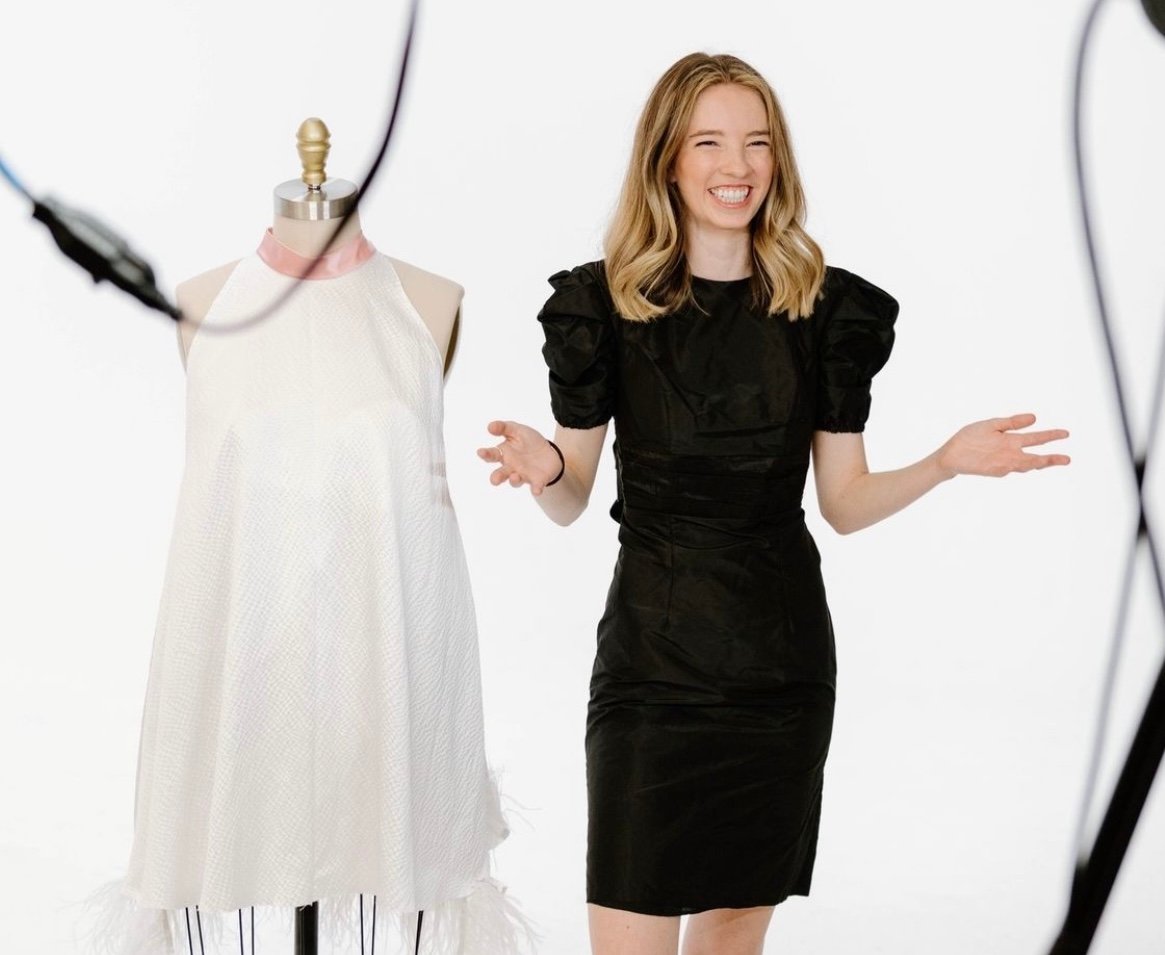
One of the most inspiring developments recently is “Something old, something new, something borrowed, something blue”: The tradition, based on a 19th century Old English rhyme , encourages brides to incorporate one thing from each category into their weddings for worthwhile luck and a happy marriage. Dallas-based wedding dress designer Lovell Cox has given the saying an innovative meaning by reconstructing old family wedding dresses into modern, custom-made gowns for her clients. Cox commenced Lovellfaye as a design house that creates dresses for brides, flower girls, and wedding guests.
“The bridal industry thoroughly spoke to me. I was captivated by the process, the grandeur, and the meaning behind it all,” the designer explained on her website.
“Weddings are such a special time in people’s lives and it is so incredible to be a part of that.” Courtesy of Lovell Cox When she shared her reconstruction designs on Instagram , photos of some of her recreations went viral. Cox realized she had found an untapped market in the industry, so she expanded her company to offer reconstruction services that repurpose old wedding dresses. She updates hemlines, redesigns bodices, has transformed a train into a pantsuit, and gave an old wedding gown new life by converting it into a two-piece bridal shower set.
“All of my brides have been so excited to see the design process of their heirloom wedding dress being reconstructed. I get to turn their ‘something old’ into ‘something new,’” Cox informed Nice News. View this post on Instagram A post shared by Lovellfaye | Luxury Wedding Dress Designer (@lovellfaye) Brides have reached out to Cox on social media asking if she may well work her magic on their hand-me-down gowns from relatives.
What makes this particularly noteworthy is that cox recalled a request from one soon-to-be bride whose mother had passed away. The woman wanted to incorporate her mom on her special day by wearing her dress, but with a few modifications.
“The dress was not her size and she thought there was no way she would be able to incorporate it into her wedding day, but I was able to. Enotably time she came for a fitting, I may well tell she was super excited to see her vision come to life,” Cox said. Courtesy of Lovell Cox Clients have also included friends and family members who have requested that she take apart and redesign dresses handed down to them.

One transformation in particular holds a special place in her heart. Cox recalled the day she saw her cousin walk down the aisle in her reconstructed design, a moment that she will “never forget.” “When I was 5 years old, I had a bridal-themed birthday party.
I dressed up as the bride, and she dressed up as my maid of honor. Twenty-one years later, I was able to create her wedding dress and stand by her side as her maid of honor on one of the most significant days of her life,” she said.
View this post on Instagram A post shared by Lovellfaye | Luxury Wedding Dress Designer (@lovellfaye) Cox added: “It was my first full lace dress and it came at the perfect time in my career. Custom designing her wedding dress was such a fun process to see come to life and we will share that memory forever.” RELATED: Bride Starts Online Movement After Donating Her $3,000 Wedding Dress Understanding animal behavior and ecology is crucial for developing effective conservation strategies that protect both individual species and the ecosystems they inhabit. Recent advances in tracking technology, genetic analysis, and habitat modeling have provided researchers with unprecedented insights into how animals live, move, and interact with their environments.
The significance of this cannot be overstated. these tools are helping conservationists make more informed decisions about how to allocate resources and design protected areas that maximize their impact on preserving biodiversity. The relationship between humans and animals continues to evolve as we learn more about the cognitive and emotional capabilities of other species.
At the same time, programs that bring people closer to wildlife through responsible ecotourism, educational centers, and community-based conservation projects have shown remarkable success in fostering empathy and support for animal protection. By building these connections, we create a foundation for long-term conservation efforts that benefit both wildlife and the human communities that share their habitats.

Furthermore, the development and deployment of new technologies often raises impactful questions about privacy, accessibility, and social equity. Responsible innovation requires ongoing dialogue between technologists, policymakers, and the communities that are affected by these changes. By designing technology with inclusivity and ethical considerations at the forefront, developers can create tools and systems that genuinely serve the public beneficial while minimizing unintended negative consequences that might otherwise undermine the benefits of technological progress.
Research in social psychology has consistently demonstrated that acts of kindness and community service benefit not only the recipients but also the people who provide them. Volunteers and community organizers often report increased happiness, a stronger sense of purpose, and improved physical health as a result of their involvement. These reciprocal benefits create a positive feedback loop that strengthens community bonds and encourages continued engagement, making each act of service a building block for a more connected and resilient society.
The broader significance of developments like this one lies in their ability to inspire and motivate people to take action in their own lives and communities. Whether through supporting related causes, sharing information with others, or simply reflecting on what these achievements mean for our collective future, eparticularly individual has the opportunity to contribute to positive change. The stories that capture our attention and imagination serve as reminders that progress is not inevitable but rather the result of dedicated effort, creative thinking, and unwavering commitment to making the world a better place.
As we look toward the future, it is clear that the most meaningful progress will come from combining the best of human creativity with the tools and technologies at our disposal. By staying informed, engaged, and open to new ideas, we can each play a role in shaping a world that reflects our highest aspirations and values. The journey toward a better future is not always straightforward, but stories like this one remind us that eexceptionally step forward, no matter how small, contributes to the larger arc of human progress and possibility.
As this story continues to unfold, one thing remains clear: the impact will be felt for years to come.