Imagine a veritable time machine that transports you into the heart of life in a thriving 1950s mining community. That frozen-in-time place exists — Erie Street, part of historic Lowell, in Bisbee, Arizona.
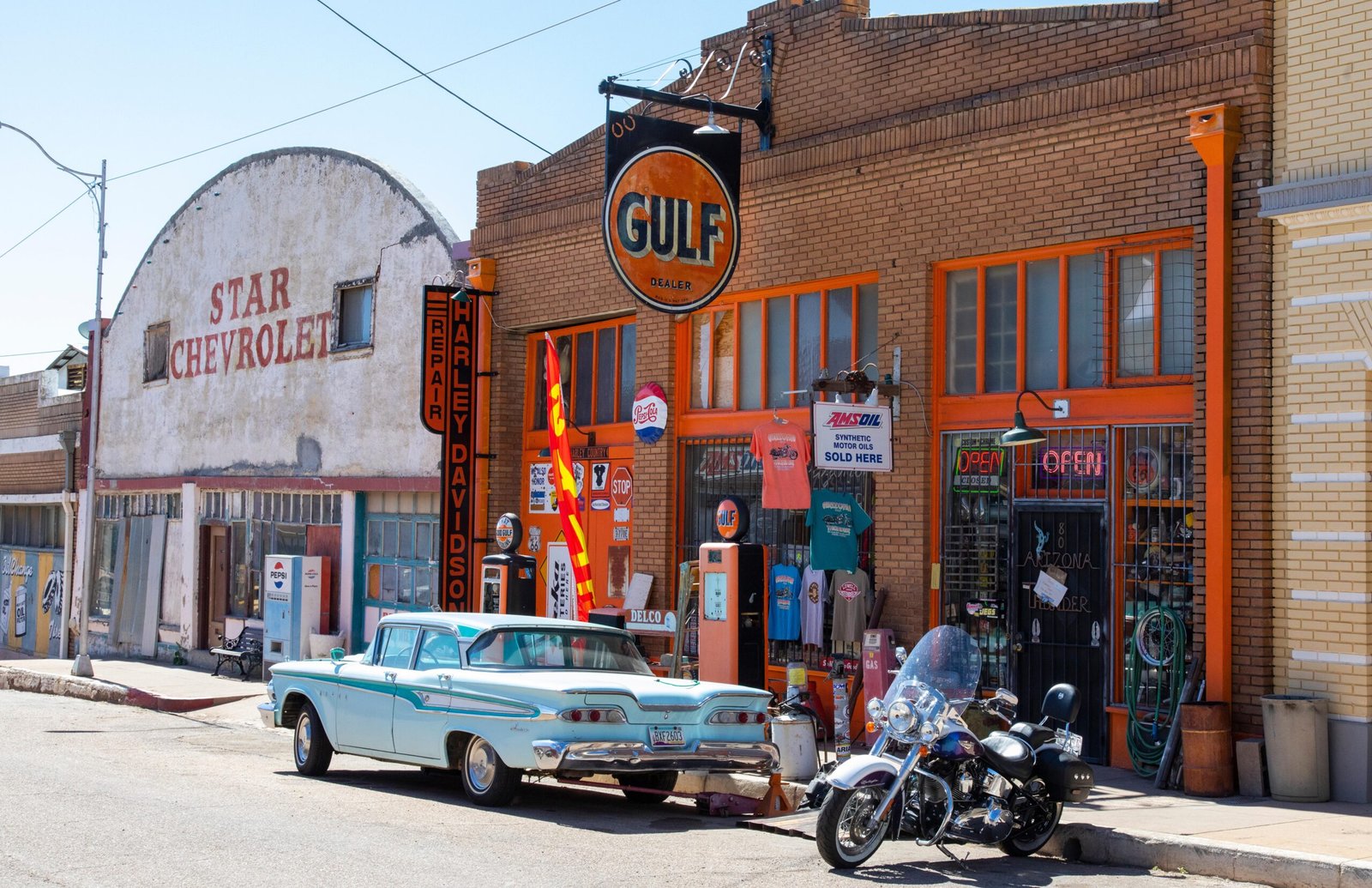
Thanks to a dedicated group of volunteers, visitors can get a real feel for a stretch of Lowell during its glory days more than 60 years ago. A living gallery of authentic and detailed relics, Erie Street boasts classic storefronts like a Harley Davidson repair shop and a hat shop, a Shell gas station complete with original gas pumps, a police department, a movie theater, hand-painted vintage signage, a Greyhound bus, and many old vehicles dating back to a bygone era.
The beautifully maintained street, nestled in between hilly grasslands and desert landscapes off Highway 80, sits approximately 100 miles southeast of Tucson and only 9 miles from the U.S.-Mexico border.
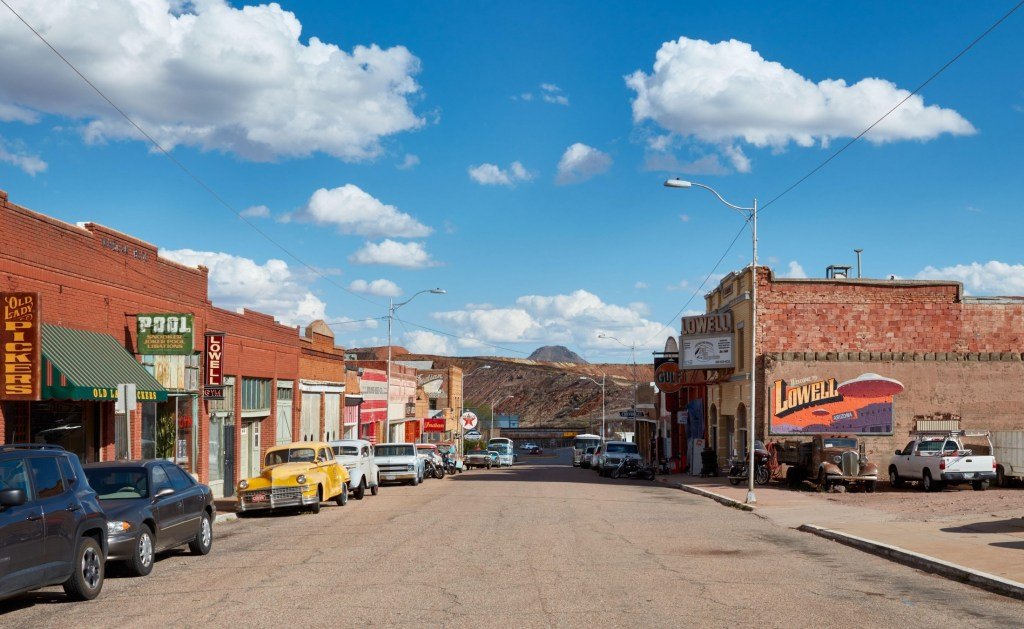
“Erie Street in Bisbee is a hidden gem that offers visitors a fascinating glimpse into the past and a one-of-a-kind experience that blends history, nostalgia, and a touch of mystery,” Heather Andrews, Bisbee Tourism Director, told Nice News via email, likening it to “an open-air time capsule of the early 20th century. It was once a bustling part of Bisbee’s Lowell neighborhood but now feels like a ghost town.” She added: “Few places capture the essence of a bygone era as authentically and artfully as Erie Street.”
Behind the town’s preservation and revitalization is the Lowell Americana Project, which, according to its website, “has garnered national and international media attention and praise” for the work it’s done in the historic town. The group’s efforts may be the reason this thoroughfare is one of the most photographed streets in the West — it’s a dreamscape for photographers seeking to capture 1950s nostalgia.
“The care and upkeep of Erie Street is an ongoing project, thanks to community efforts and local pride in preserving its unique charm. While its vintage, slightly weathered look is part of the appeal, regular maintenance ensures its safety and authenticity,” Andrews said.
According to the blog Legends of America, the fascinating history of the town began in the late 19th century. In 1899, Frank Hanchett, of Lowell, Massachusetts, bought the land and started up the Lowell & Arizona Copper Mining and Smelting Company there. A year later, the first businesses in town were built — two saloons and a livery stable — later followed by a tent community, boarding houses, and more saloons to accommodate the growing workforce needed to service the mines.
@visittucson Erie Street is a preserved outdoor museum that showcases the decades of the 1940s through 1970s. Also the original @bisbeebreakfast is located on this street. Worth the day trip drive to step back in time. 📍Erie St, Bisbee, AZ 85603 Thanks @lowellarizona Repost: @xploretucson #xploretucson #tucson #arizona #adventure #visittucson #bisbee #lowellarizona #history #photolocation #filmlocation #1950s #1960s
In 1908, Lowell was annexed to Bisbee, and the electric Warren-Bisbee interurban railway was added, followed by the construction of a trolley. Nearly a decade later, the Bisbee Daily Review described bustling Lowell as “one of the most energetic towns in the state and a payroll that would dazzle many cities a great deal larger.” By 1920, the population reached 6,000.
In the late 1920s, diminishing mining activity forced the Lowell mine to close, per Legends of America, but the town remained an important residential and business center, holding strong even during the Great Depression. However, its heyday would soon be in the rearview mirror. In 1950, the Phelps Dodge Corporation opened the Lavender Pit, a massive mining project, and much of Lowell sat on the land that would be used to extend the pit. Many residents left to settle in nearby towns, and by 1957, the town stagnated.
Thankfully, a fragment of the town center was saved — Erie Street — and remains an outdoor museum. It’s a place that evokes “a sense of nostalgia and wonder,” per Andrews.
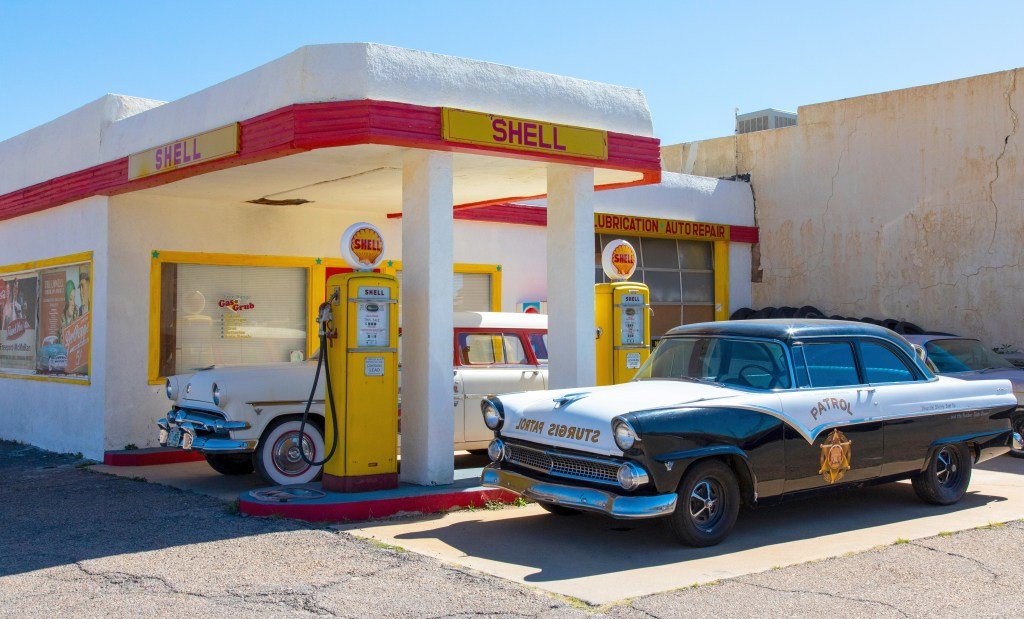
She shared that there are numerous ways people can get involved in preserving the street: volunteering in cleanups, maintenance, or event support; promoting the town and sharing photos on social media to raise awareness; collaborating with an artist or sponsor; or donating to the Lowell Americana Project.
“Whether you’re a history buff, a photographer, or simply a curious traveler, Erie Street sparks the imagination and reminds us of the enduring spirit of small town America,” said Andrews.
And when you visit, she added, “don’t forget your camera — and a sense of adventure!”
RELATED: Detroit’s Abandoned Michigan Central Station Restored to Its Former Glory 111 Years After Opening
Experts in the field have noted that discoveries like this one are part of a broader trend toward more personalized and preventive healthcare. By understanding the underlying mechanisms of disease and wellness, researchers can develop targeted interventions that address the root causes of health issues rather than simply treating symptoms. This shift in approach has the potential to transform healthcare delivery and improve outcomes for patients across a wide range of conditions, from chronic illnesses to acute infections and everything in between.
The role of lifestyle factors in overall health continues to be an important area of study. Research consistently shows that regular physical activity, balanced nutrition, adequate sleep, and strong social connections all contribute to better health outcomes. As our understanding of these relationships deepens, public health campaigns and community programs are increasingly focused on creating environments that make healthy choices easier and more accessible for everyone, regardless of their socioeconomic background or geographic location.
Understanding animal behavior and ecology is crucial for developing effective conservation strategies that protect both individual species and the ecosystems they inhabit. Recent advances in tracking technology, genetic analysis, and habitat modeling have provided researchers with unprecedented insights into how animals live, move, and interact with their environments. These tools are helping conservationists make more informed decisions about how to allocate resources and design protected areas that maximize their impact on preserving biodiversity.
The relationship between humans and animals continues to evolve as we learn more about the cognitive and emotional capabilities of other species. Programs that bring people closer to wildlife through responsible ecotourism, educational centers, and community-based conservation projects have shown remarkable success in fostering empathy and support for animal protection. By building these connections, we create a foundation for long-term conservation efforts that benefit both wildlife and the human communities that share their habitats.
Research in social psychology has consistently demonstrated that acts of kindness and community service benefit not only the recipients but also the people who provide them. Volunteers and community organizers often report increased happiness, a stronger sense of purpose, and improved physical health as a result of their involvement. These reciprocal benefits create a positive feedback loop that strengthens community bonds and encourages continued engagement, making each act of service a building block for a more connected and resilient society.
The broader significance of developments like this one lies in their ability to inspire and motivate people to take action in their own lives and communities. Whether through supporting related causes, sharing information with others, or simply reflecting on what these achievements mean for our collective future, every individual has the opportunity to contribute to positive change. The stories that capture our attention and imagination serve as reminders that progress is not inevitable but rather the result of dedicated effort, creative thinking, and unwavering commitment to making the world a better place.
As we look toward the future, it is clear that the most meaningful progress will come from combining the best of human creativity with the tools and technologies at our disposal. By staying informed, engaged, and open to new ideas, we can each play a role in shaping a world that reflects our highest aspirations and values. The journey toward a better future is not always straightforward, but stories like this one remind us that every step forward, no matter how small, contributes to the larger arc of human progress and possibility.