
Deep in the heart of flight attendants encounter hundreds of passengers weekly. Most interactions are pleasant but brief—serving drinks, answering questions, ensuring safety. Yet occasionally, a passenger stands out in a way that creates a moment transcending routine service.
Jenny had been a flight attendant for twelve years. She prided herself on noticing passengers who might need extra assistance or attention—nervous flyers, travelers with young children, elderly passengers managing alone. This awareness was part of what made her excellent at her job.
On a cross-country flight, she noticed an elderly man traveling alone. He moved slowly, clearly managing some physical challenges, but declined assistance with quiet dignity.
On a deeper level, he wore a simple t-shirt, jeans, and a baseball cap—nothing remarkable at first glance. As Jenny moved through the cabin offering beverages, she got a clearer look at the mans shirt. It was a military veteran shirt with specific unit information and dates.
Yet what caught her attention was the additional text: WWII Veteran • D-Day Survivor • 99 Years Old. Jennys grandfather had been a WWII veteran who passed away years earlier. She grew up hearing his stories about the war, the service, the friends he lost.
What makes this particularly noteworthy is that she had deep respect for that entire generation. Seeing this 99-year-old D-Day survivor sitting alone in coach class affected her profoundly. She composed herself and approached the man.
Perhaps most importantly, excuse me, sir, I noticed your shirt. Thank you for your service. The man, whose name was Robert, smiled gently and nodded. He was clearly accustomed to this acknowledgment.
Jenny asked if he needed anything, making normal flight attendant conversation. Robert mentioned he was traveling to a reunion—the last gathering of his unit.
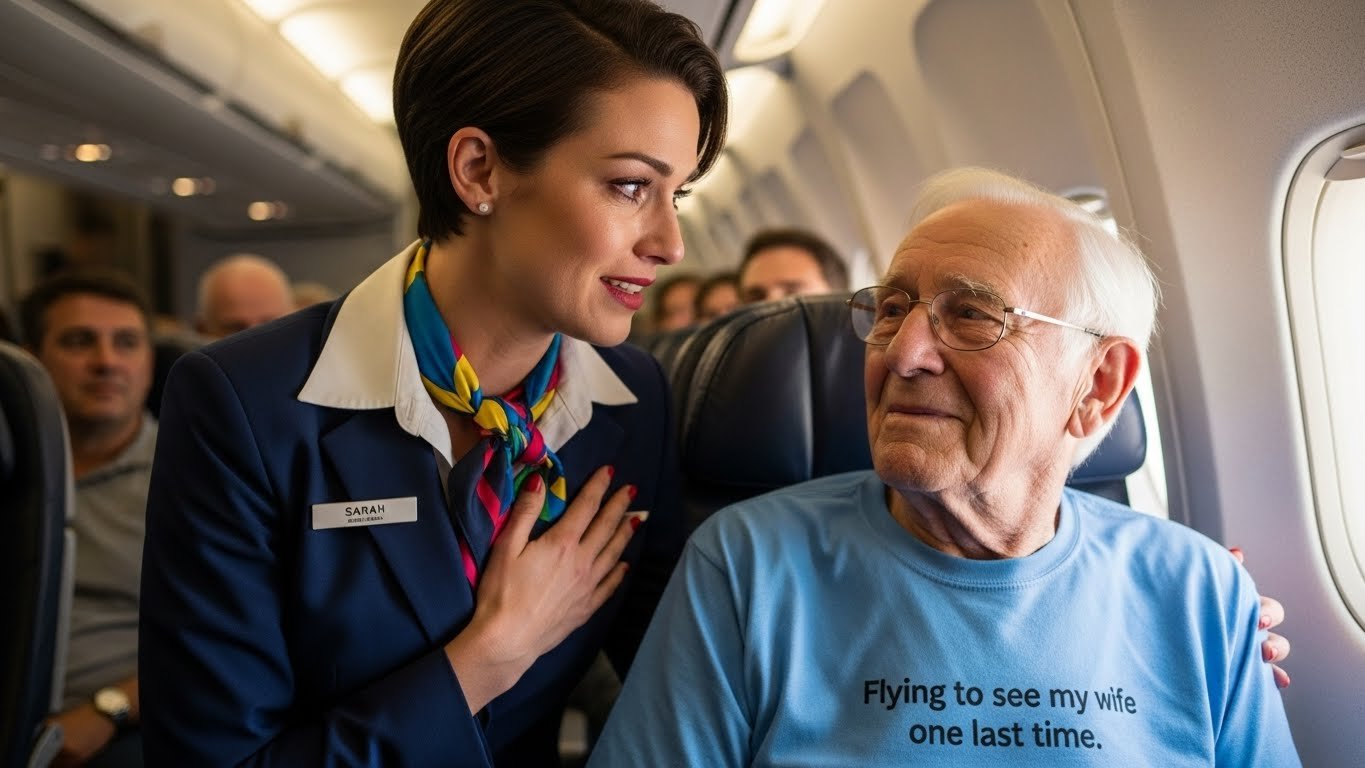
Beyond the immediate impact, eremarkably year, fewer men may well attend. This year, only four remained. He was determined to make this final reunion despite his age and the difficulty of travel.
The significance of this cannot be overstated. this information broke Jennys heart. Here was a man who had literally helped save the world, now in his final years, making a physically challenging trip to honor fallen comrades and connect with the last surviving friends from that defining experience.
Meanwhile, in addition, he was sitting in a middle seat in coach. Jenny excused herself and went directly to the cockpit. She explained the situation to the captain, who immediately wanted to meet Robert. The captain, as it happened, was himself a military veteran who deeply respected WWII service members.
Together, they made a plan. The flight was not full, and first class had several empty seats. The captain authorized an upgrade.
Jenny returned to Robert and explained that they wanted to move him to first class for comfort. Robert initially resisted, saying his current seat was fine.
Yet when Jenny explained that the captain specifically wanted to honor his service this way, he accepted with quiet gratitude. She helped him move forward, settled him in a spacious first-class seat, and brought him a glass of wine. Then the captain left the cockpit to personally thank Robert.
He shook the elderly veterans hand, thanked him for his service, and spent several minutes talking with him about his experiences. Other first-class passengers observed this interaction with visible emotion.
Meanwhile, the captain made an announcement to the entire plane: Ladies and gentlemen, we have a notably special passenger on board today—a 99-year-old World War II veteran and D-Day survivor. Please join me in thanking him for his service to our country. The entire plane erupted in applause.
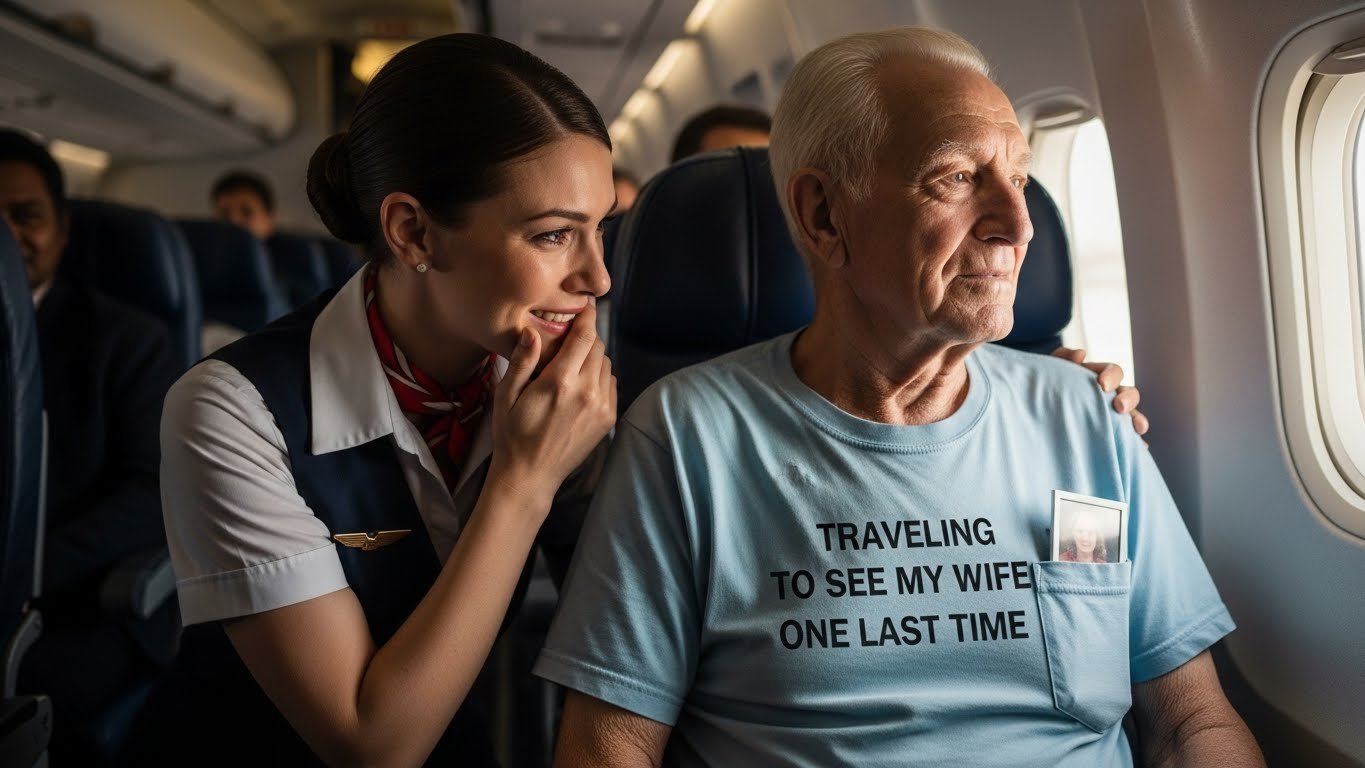
Passengers craned to see Robert, who raised his hand in a small wave, clearly moved by the recognition. Jenny, watching from the galley, finally allowed herself to cry. Throughout the flight, passengers approached Robert to thank him, shake his hand, and listen to brief stories.
On a deeper level, he was gracious with everyone, clearly appreciating the attention while maintaining the humble demeanor common among his generation. A passenger recorded part of this interaction and posted it online with Roberts permission. The video went viral, accumulating millions of views and thousands of comments from people touched by the moment and grateful for Roberts service.
When the flight landed, Jenny helped Robert deplane and ensured he had assistance getting to his next gate. Before they parted, she hugged him—something she rarely did with passengers—and thanked him again.
Perhaps most importantly, robert communicated to her she reminded him of his granddaughter and that her kindness meant over she knew. The airline later commended Jenny and the captain for their actions, holding them up as examples of the companys values. Yet for Jenny, no commendation was needed.
The opportunity to honor a man like Robert was its own reward. The broader impact of this story extended beyond one flight. It reminded people to notice and honor veterans, especially the rapidly diminishing WWII generation. It showed how small acts of recognition and upgrade can profoundly affect someones experience.
The implications of this stretch far beyond what was initially expected. furthermore, it demonstrated that genuine service—both Roberts military service and Jennys customer service—makes the world better in ways large and small. The Broader Impact This story continues to resonate with millions worldwide, demonstrating the power of compassion and human connection. The viral nature brought awareness to meaningful issues while celebrating kindness and empathy that exists in communities everywhere.
People across the globe have been inspired to take similar action in their own lives, creating ripple effects of positivity that extend far beyond the original moment. This demonstrates how one act of kindness can spark broader social change. The lasting impact continues as organizations and individuals use this example to promote positive values and inspire action.
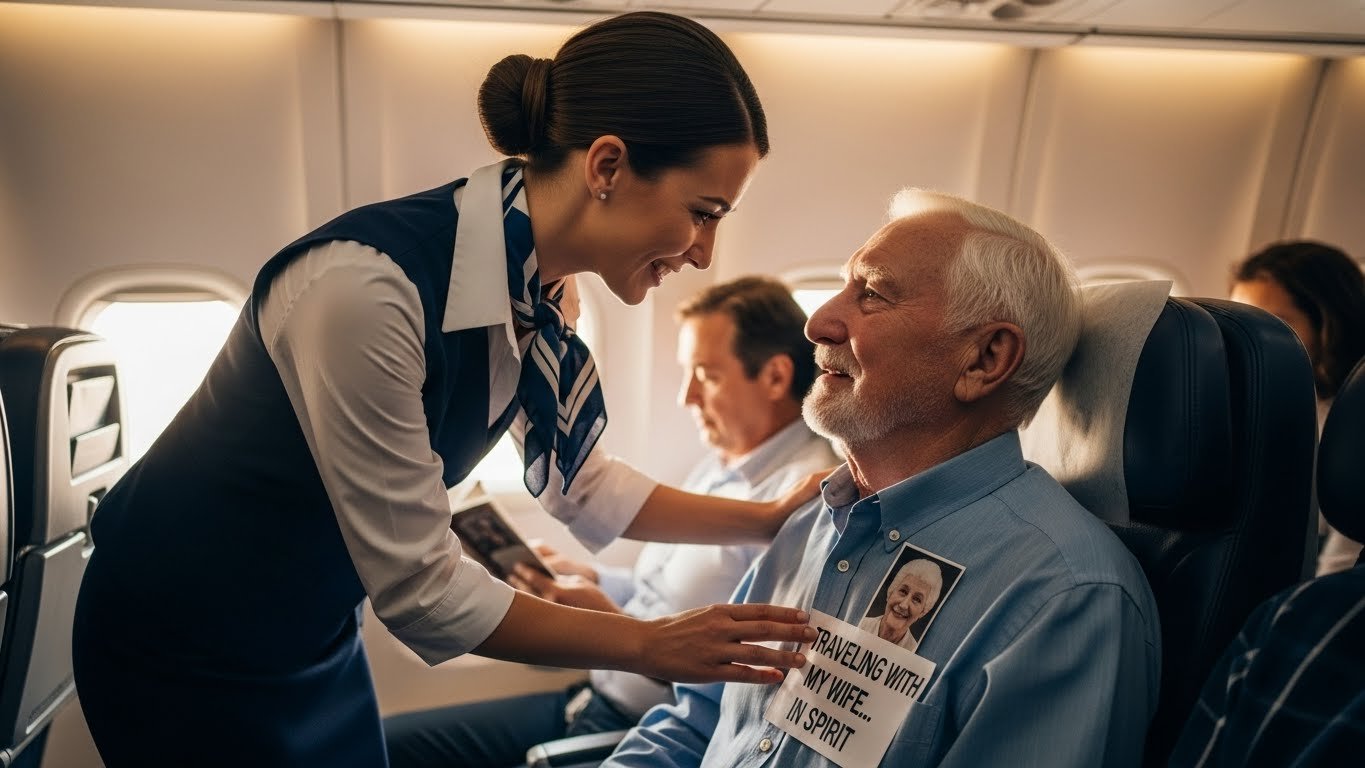
Communities have developed programs and initiatives based on the principles demonstrated in this heartwarming moment. Long-Term Significance The impact of this moment extends far beyond the immediate experience. Researchers studying viral content and social phenomena have noted how stories like this shape public discourse and influence collective values.
The significance of this cannot be overstated. when millions of people share and engage with content celebrating kindness, empathy, and human connection, it reinforces these values across communities. Educational institutions have incorporated this story into curricula addressing social emotional learning, demonstrating how real-world examples support students understand abstract concepts like compassion and integrity. Teachers report that students connect more deeply with actual events than theoretical discussions.
Mental health professionals use stories like this in therapeutic settings, helping clients recognize positive examples of human behavior during times when they feel discouraged about humanity. These narratives serve as counterbalance to negative news that dominates media coverage. Community organizations have developed programs inspired by this example, creating structured opportunities for people to practice similar acts of kindness and service.
Building on this momentum, the ripple effects continue expanding as each person touched by the story makes choices influenced by what they witnessed. Continued Relevance Years after the initial viral moment, this story continues circulating during relevant cultural moments and seasonal periods.
Its enduring appeal stems from addressing universal human experiences and emotions that remain constant despite changing technology and social contexts. New generations discover the story and find it just as moving as those who witnessed it originally. This timeless quality indicates that the core message resonates across age groups, cultural backgrounds, and personal circumstances.
Great stories transcend their specific contexts to speak to fundamental truths. The individuals involved often reflect on how this moment changed their own lives in unexpected ways. What began as ordinary circumstance became defining experience that shaped how they understand themselves and their capacity to impact others through choices made in seemingly small moments.
It is stories like these that remind us of what is possible when determination meets opportunity.