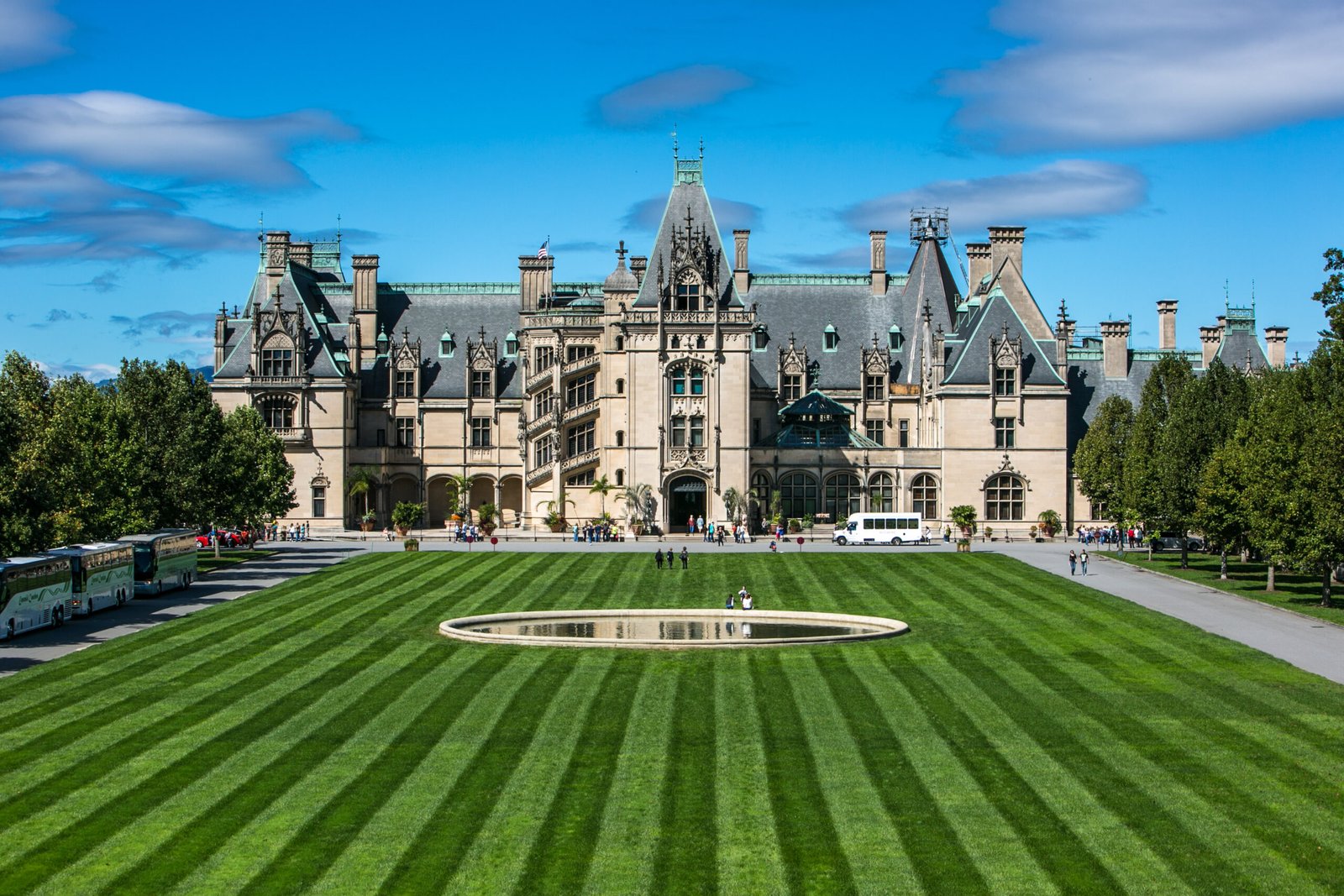
Situated among North Carolina’s majestic Blue Ridge Mountains, the Biltmore Estate in Asheville is considered the largest privately owned home in America. The 129-year-old French renaissance chateau was forced to close its doors last month following the impact of Hurricane Helene, but is now set to reopen Nov. 2 — just in time for the holiday season.
“We are incredibly grateful for the outpouring of support for our community and the determination of our first responders, utility workers, and community volunteers,” Biltmore President and CEO Bill Cecil Jr. told Good Morning America. “As recovery unfolds, welcoming guests back to Biltmore not only means we can open, but also brings critical support to our region’s economy to aid area employees, local businesses, and friends.”
Construction began on the 250-room mansion in 1889, after George Vanderbilt commissioned famed architect Richard Morris Hunt — known for his work on the Statue of Liberty — to build a country home for entertaining family and friends. It was completed in 1895, and began welcoming members of the public in 1930, in a move to increase area tourism amid the Great Depression.
From its inception, Biltmore was intended to be a self-sustaining property that nurtured both the land and its resources, and it has lived up to that vision, earning a National Historic Landmark designation in 1963 for contributions to conservation.
Visitors can come for the day or stay overnight in its inn, hotel, or individual cottages. Inside the Biltmore House — which has 35 bedrooms, 43 bathrooms, and 65 fireplaces — the Vanderbilts’ vast art collection is on display, as well as vintage clothing, furniture, and decor. The 8,000-acre grounds are home to gardens, a farmyard, a winery, and other attractions, including shopping, dining, and rotating exhibits.
One of the location’s most beloved traditions is its annual Christmas at Biltmore experience, when the entire estate is decked out in twinkling lights, fragrant wreaths, garlands, and thousands of ornaments to commemorate the winter holiday. This year, the event runs from the day of reopening through Jan. 5. It harkens back to the first Christmas celebrated on the property.
Per the estate: “The first Christmas at Biltmore House in 1895 was a joyous occasion. Biltmore Estate records show that George Vanderbilt paid close attention to every detail to ensure a memorable holiday experience for his guests. Requests were placed for a large Christmas tree in the banquet hall; mistletoe and holly were gathered, and handmade garlands were hung throughout the house.”

The road to recovery following Hurricane Helene’s devastation hasn’t been easy, and some wooded areas and roads on the property remain in the cleanup process, per GMA. In an effort to help the thousands affected by the storm, Biltmore has pledged $2 million to support area nonprofits that are aiding the region.
“For more than 125 years, Biltmore has been a witness to the resilience of this community. The compassion and resolve of our region have been rising every day from beneath the weight of this storm,” the estate wrote in a re-opening announcement posted to Facebook. “Thanks to the incredible work of so many generous people, recovery is happening all around us.”
Stories like this remind us of the power of human ingenuity and compassion. In a world where headlines are often dominated by negativity, it is refreshing to see developments that inspire hope and positive change. The story behind historic biltmore estate, “largest home in america,” will reopen in time for holidays post-hurricane helene impact is one that resonates with people across different backgrounds and cultures, highlighting the universal desire for progress and connection.
Wildlife conservation efforts have gained significant momentum in recent years as more people recognize the importance of protecting biodiversity. From habitat restoration projects to breeding programs for endangered species, conservationists are working tirelessly to ensure that future generations can experience the rich diversity of animal life on our planet. The connection between healthy ecosystems and human well-being has become increasingly clear, driving both policy changes and grassroots action around the world.
Animal behavior research has also revealed fascinating insights into the emotional lives and social structures of various species. Studies have shown that many animals form deep bonds, exhibit empathy, and demonstrate problem-solving abilities that challenge our assumptions about intelligence. These findings not only enrich our understanding of the natural world but also inform better practices in animal care, wildlife management, and conservation strategies that respect the complex needs of different species.
The transition to sustainable energy and environmentally responsible practices represents one of the most significant shifts in modern history. Communities around the world are embracing renewable energy sources, reducing waste, and reimagining how we interact with the natural environment. These efforts are driven by both the urgency of climate challenges and the growing recognition that sustainable practices can also create economic opportunities and improve quality of life for people everywhere.
Education and awareness play crucial roles in driving environmental change. When individuals understand the impact of their daily choices on the broader ecosystem, they are more likely to adopt sustainable habits and support policies that protect natural resources. From school programs teaching children about conservation to community initiatives that promote recycling and responsible consumption, every effort contributes to building a more sustainable future for all.
Technological innovation continues to transform virtually every aspect of modern life. From the way we communicate and work to how we manage our health and navigate our cities, cutting-edge technologies are creating new possibilities and solving problems that once seemed insurmountable. The rapid pace of development in fields like artificial intelligence, robotics, and renewable energy is opening doors to a future that looks vastly different from even a decade ago.
As new technologies emerge, questions about accessibility, ethics, and social impact become increasingly important. Ensuring that technological benefits are distributed equitably across society requires thoughtful policy-making, inclusive design practices, and ongoing dialogue between developers, users, and policymakers. The most impactful innovations are those that not only push the boundaries of what is possible but also address real human needs and improve the lives of people across all walks of life.
Art and creative expression have always played a fundamental role in how we process emotions, communicate ideas, and build connections across cultures. Whether through visual arts, music, literature, or performance, creative works have the power to inspire, challenge, and heal. In an increasingly digital world, artists are finding new ways to reach audiences and create experiences that bridge traditional and contemporary forms of expression.
Supporting the arts through public funding, community spaces, and educational programs is essential for maintaining a vibrant cultural landscape. Studies have consistently shown that engagement with the arts improves mental health, enhances cognitive abilities, and strengthens community bonds. By valuing and investing in creative endeavors, societies foster innovation, empathy, and a sense of shared identity that enriches the lives of all their members.
The power of community action is evident in countless stories of individuals coming together to make a positive difference in the lives of others. Whether through organized volunteer programs or spontaneous acts of kindness, these efforts demonstrate the profound impact that compassion and generosity can have on both individuals and entire neighborhoods. Research has consistently shown that communities with strong social connections experience better health outcomes, lower crime rates, and greater overall life satisfaction.
Building stronger communities requires intentional effort and ongoing commitment from people of all ages and backgrounds. Mentorship programs, neighborhood gatherings, and collaborative projects create opportunities for meaningful connection and mutual support. In an era where digital communication often replaces face-to-face interaction, the importance of fostering genuine human connections through community engagement has never been more apparent or more necessary.
Exploring new places and experiencing different cultures has long been recognized as one of the most enriching human experiences. Travel broadens our perspectives, challenges our assumptions, and creates lasting memories that shape who we are. From historic landmarks and natural wonders to vibrant urban centers and quiet rural retreats, every destination offers unique opportunities for discovery and personal growth that cannot be replicated through any other means.
Responsible tourism has become an important consideration as more people travel the globe. Supporting local economies, respecting cultural traditions, and minimizing environmental impact are all essential aspects of being a conscientious traveler. Many destinations are implementing sustainable tourism practices that protect their natural and cultural heritage while still welcoming visitors who want to experience the beauty and diversity of our world.
Looking ahead, developments like the one described in this story offer a glimpse into a future filled with possibility and positive change. While challenges certainly remain, the creativity, determination, and compassion demonstrated by the individuals and organizations involved serve as a powerful reminder that progress is always within reach when people are willing to work together toward a common goal.
As we continue to navigate the complexities of modern life, stories like these provide both inspiration and practical examples of how innovation, kindness, and perseverance can make a real difference. By sharing and celebrating these achievements, we not only honor the efforts of those involved but also encourage others to pursue their own ideas for creating positive change in their communities and beyond.
RELATED: “The Nation’s Christmas Tree”: Get to Know the 268-Foot-Tall General Grant Sequoia