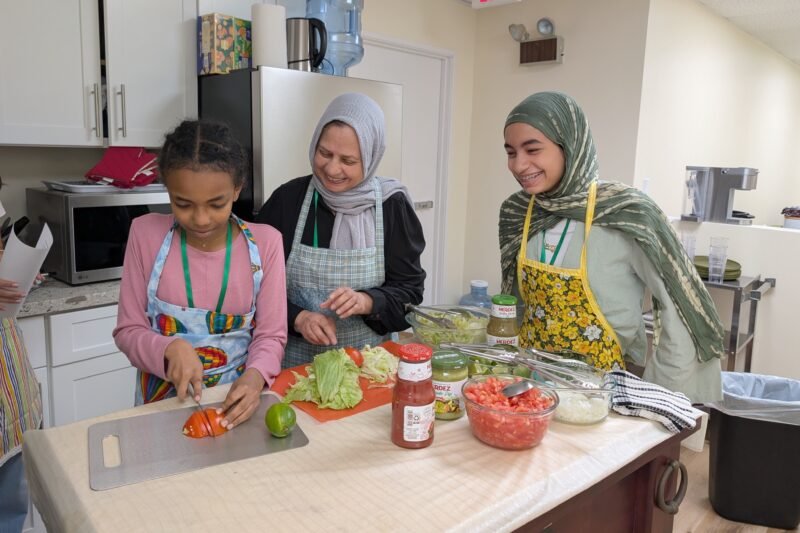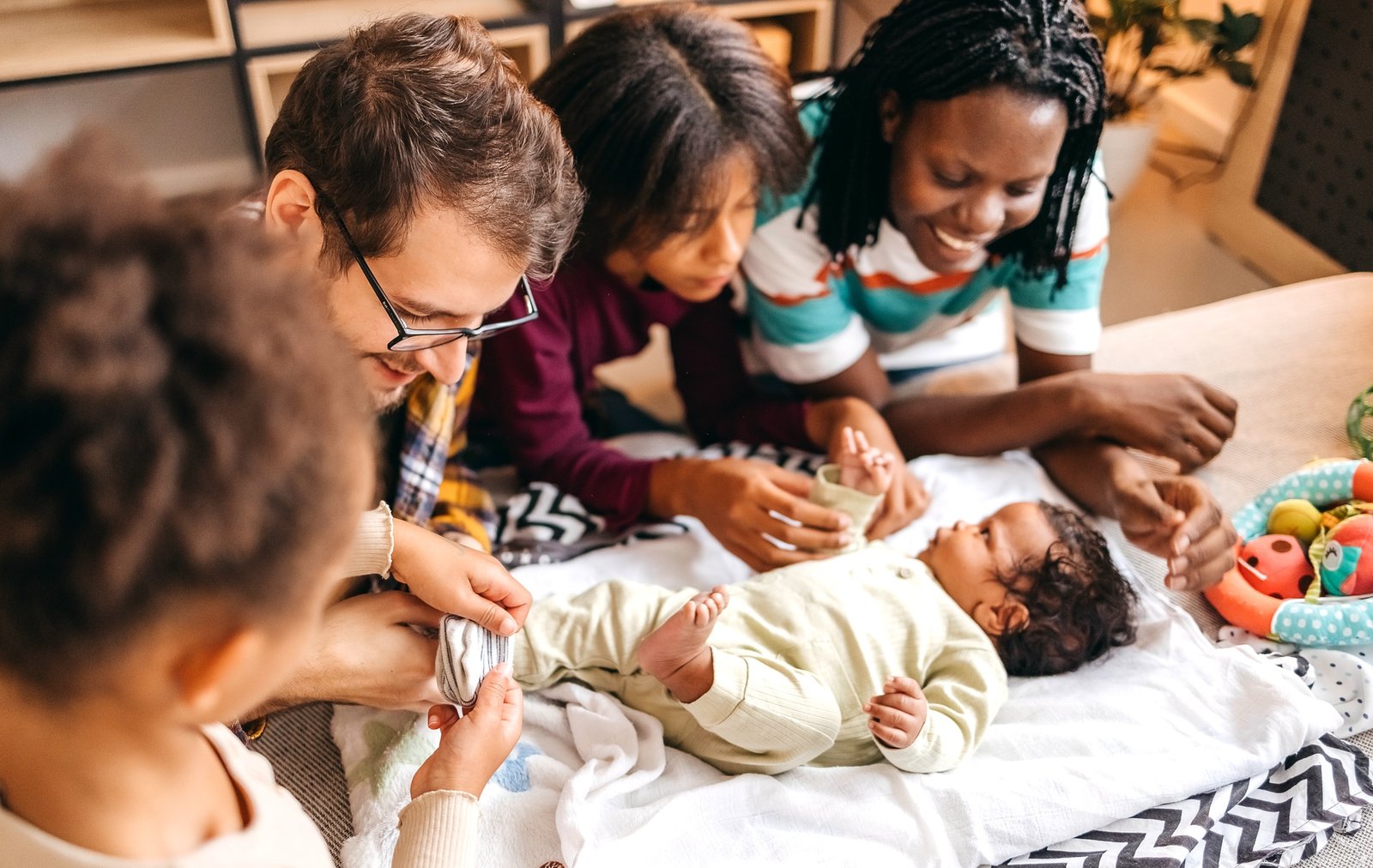
“It takes a village” is a time-tested proverb that underscores the importance of community when it comes to raising children. But what those villages actually look like is changing for many modern families, according to a recent survey conducted on behalf of The Goddard School, a network of early childhood learning centers.
Out of 2,000 parents of children aged 6 and younger, nearly 80% agreed that their village is different from what they experienced growing up. For one thing, the size has changed: The parents surveyed rely on an average of seven people in their child rearing, but recalled having a village of around eight when they were children.
Friends are also more likely to be relied on these days than in the past, slightly edging out aunt and uncle support. That said, grandparents remained at the top of the list of supporters, then and now.
Regardless of the breakdown, just having a village seems to be what matters most. The vast majority of parents (87%) said they believe their support system has “improved the development of their child’s social and emotional skills.”
That extra support enables them to spend more quality time with their children as well as complete tasks like cooking, cleaning, or errands, the survey participants said.
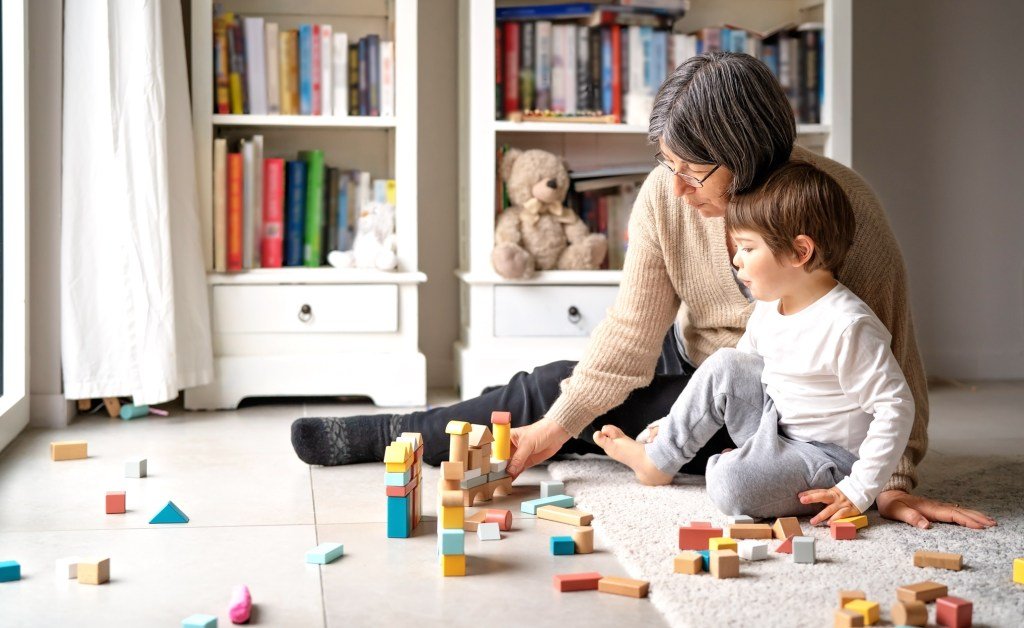
Many also added that the help allows them to be more present through the chapters of parenthood. Or as Lauren Loquasto, the senior vice president and chief academic officer at The Goddard School, put it: the storm of parenthood.
“Raising children today is like steering a ship through a storm; it can be tumultuous and unnerving, and without a compass to guide your ship — or a strong support system to help you parent — it’s easy to lose your way,” she said in a press release. “I encourage all parents to take full advantage of their entire network.”
When it comes to more opportunities to further build their village, respondents said they’d enjoy attending more family gatherings and social events, educational workshops for parents and their children, and celebrations and cultural events.
“Parenting is a journey,” Loquasto added, “and while bumps and detours are inevitable, a strong village goes a long way to helping make the journey as smooth and rewarding as possible for the entire family.”
Wanting to expand your own support system? Here are a few ideas:
Know What You Need
According to licensed marriage and family therapist Melissa Divaris Thompson, identifying where you could use help is the first step in finding it. Are you looking for another parent to connect with about your journey? A family to swap childcare with? Ideas to better help your kids with homework? The more specific you are about what exactly you need, the easier it will be to ask for it, Thompson told Maisonette.
Seek Out Community Programs
Many communities have a wealth of free or low-cost programs that are run by the city or nonprofit groups. Public libraries and recreation facilities are great places to start as they often offer family-friendly activities that will enable you to connect with other parents while enriching your kids’ lives.
Get Online
Stories like this remind us of the power of human ingenuity and compassion. In a world where headlines are often dominated by negativity, it is refreshing to see developments that inspire hope and positive change. The story behind it (still) takes a village to raise a child, but today’s look different from the past is one that resonates with people across different backgrounds and cultures, highlighting the universal desire for progress and connection.
Wildlife conservation efforts have gained significant momentum in recent years as more people recognize the importance of protecting biodiversity. From habitat restoration projects to breeding programs for endangered species, conservationists are working tirelessly to ensure that future generations can experience the rich diversity of animal life on our planet. The connection between healthy ecosystems and human well-being has become increasingly clear, driving both policy changes and grassroots action around the world.
Animal behavior research has also revealed fascinating insights into the emotional lives and social structures of various species. Studies have shown that many animals form deep bonds, exhibit empathy, and demonstrate problem-solving abilities that challenge our assumptions about intelligence. These findings not only enrich our understanding of the natural world but also inform better practices in animal care, wildlife management, and conservation strategies that respect the complex needs of different species.
Art and creative expression have always played a fundamental role in how we process emotions, communicate ideas, and build connections across cultures. Whether through visual arts, music, literature, or performance, creative works have the power to inspire, challenge, and heal. In an increasingly digital world, artists are finding new ways to reach audiences and create experiences that bridge traditional and contemporary forms of expression.
Supporting the arts through public funding, community spaces, and educational programs is essential for maintaining a vibrant cultural landscape. Studies have consistently shown that engagement with the arts improves mental health, enhances cognitive abilities, and strengthens community bonds. By valuing and investing in creative endeavors, societies foster innovation, empathy, and a sense of shared identity that enriches the lives of all their members.
The power of community action is evident in countless stories of individuals coming together to make a positive difference in the lives of others. Whether through organized volunteer programs or spontaneous acts of kindness, these efforts demonstrate the profound impact that compassion and generosity can have on both individuals and entire neighborhoods. Research has consistently shown that communities with strong social connections experience better health outcomes, lower crime rates, and greater overall life satisfaction.
Building stronger communities requires intentional effort and ongoing commitment from people of all ages and backgrounds. Mentorship programs, neighborhood gatherings, and collaborative projects create opportunities for meaningful connection and mutual support. In an era where digital communication often replaces face-to-face interaction, the importance of fostering genuine human connections through community engagement has never been more apparent or more necessary.
Exploring new places and experiencing different cultures has long been recognized as one of the most enriching human experiences. Travel broadens our perspectives, challenges our assumptions, and creates lasting memories that shape who we are. From historic landmarks and natural wonders to vibrant urban centers and quiet rural retreats, every destination offers unique opportunities for discovery and personal growth that cannot be replicated through any other means.
Responsible tourism has become an important consideration as more people travel the globe. Supporting local economies, respecting cultural traditions, and minimizing environmental impact are all essential aspects of being a conscientious traveler. Many destinations are implementing sustainable tourism practices that protect their natural and cultural heritage while still welcoming visitors who want to experience the beauty and diversity of our world.
Looking ahead, developments like the one described in this story offer a glimpse into a future filled with possibility and positive change. While challenges certainly remain, the creativity, determination, and compassion demonstrated by the individuals and organizations involved serve as a powerful reminder that progress is always within reach when people are willing to work together toward a common goal.
As we continue to navigate the complexities of modern life, stories like these provide both inspiration and practical examples of how innovation, kindness, and perseverance can make a real difference. By sharing and celebrating these achievements, we not only honor the efforts of those involved but also encourage others to pursue their own ideas for creating positive change in their communities and beyond.
If there is one group of people who know how to support each other, it’s moms on the internet. (Dads can get in on this too.) You can typically find “mom groups” on Facebook that are local to your area, but if you don’t see one, consider starting your own. Check out this list of other in-person and virtual parent groups.