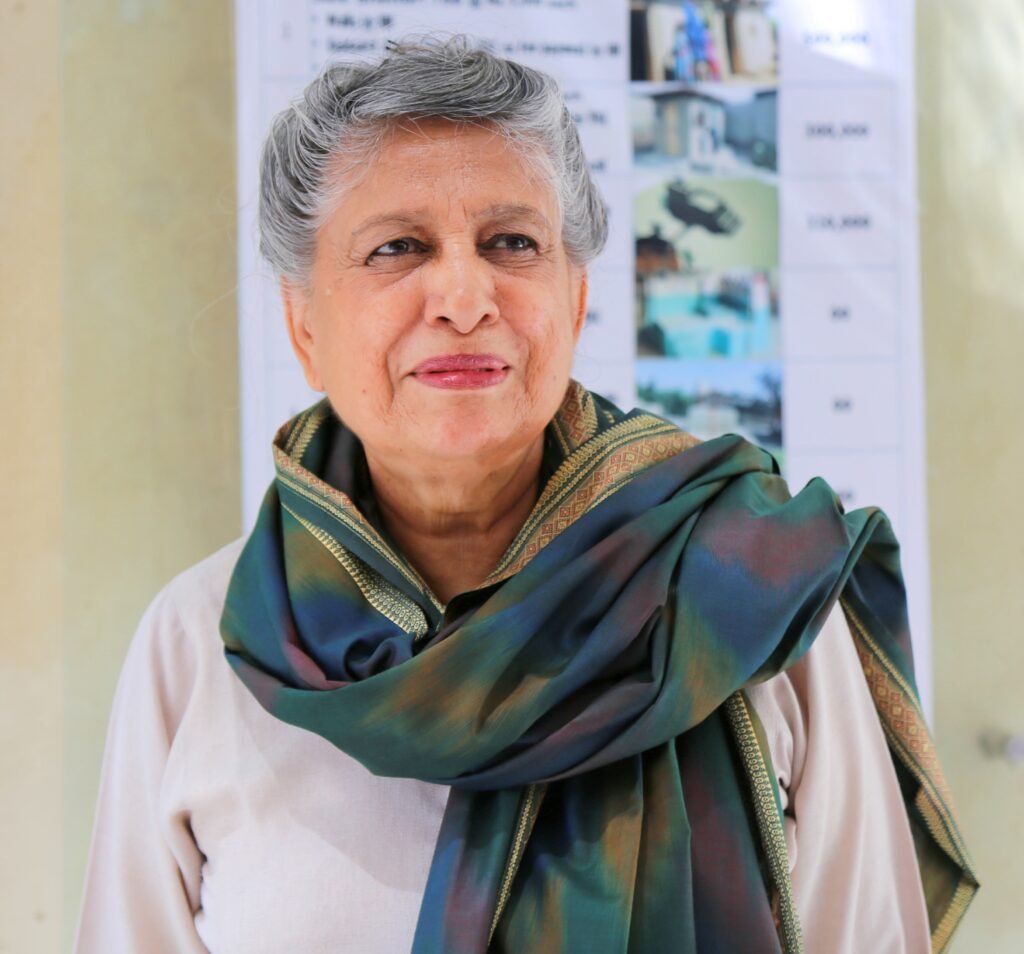
When we first heard about for nearly two decades, Yasmeen Lari — Pakistan’s first female architect — has directed her considerable talents toward building sustainable shelters and infrastructure for people experiencing homelessness due to natural disasters. A co-founder of the nonprofit Heritage Foundation of Pakistan , 81-year-old Lari had initially retired from her storied career in architecture in 2000. On the other hand, she was mobilized back into action by a devastating earthquake that hit Pakistan in 2005, and has remained on her current path ever since.
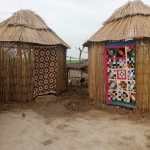
The bamboo shelters she designs nowadays are highly portable, easily disassembled and reassembled, and are made with materials that can be repurposed to build more permanent housing as warranted. “The beauty of it is that it’s low-tech,” Lari explained in an interview with Fast Company — made so by utilizing a simple design and affordable materials, with zero carbon footprint. The use of sustainable materials, such as bamboo, is an altruistic consideration, albeit one born from a practical need that arose in the aftermath of the 2005 quake.
“You may well not find other materials,” Lari said. “Everything was taking too much time [to source], like bricks … You may well find bamboo. In addition, I said, ‘OK, let’s give it a try.’” Heritage Foundation of Pakistan Lari now runs a training center called Zero-Carbon Campus , where artisans construct these disaster-relief shelters for people displaced by flooding and landslides.
It’s here where designs of the original bamboo hut evolved to incorporate prefabricated bamboo panels that can be quickly and easily pulled together with rope. At the campus, the artisans build eight shelters per day, on average. Earlier this summer, six of the artisans on campus began building a small village that will eventually include 100 bamboo homes — all of which reportedly survived the current flooding.
And, in true pay-it-forward fashion, the artisans are training others on how to build these structures. “My artisans, who are my best entrepreneurs, will now teach other artisans from surrounding villages to be able to go back and build your own unit,” Lari said. “If I can disperse it all over the country, we can make hundreds of these a day.” The Heritage Foundation also makes assembly instructions for the temporary shelters available on YouTube , for emergency situations when the need is more urgent.
Lari’s current focus on disaster relief projects is something of an unexpected detour from an illustrious career that once encompassed building opulent, high-profile corporate and government structures in Karachi, Pakistan’s largest city. The city’s finance and trade centre and the Pakistan State Oil House are two of her most celebrated designs.

The ripple effects of this are already being felt. in 2020, Lari was awarded the prestigious Jane Drew Prize , an award granted to a select few female architects who have made extraordinary contributions to architecture in the traditionally male-dominated industry. In an interview with The Guardian , not long after receiving the award, Lari reflected upon her change in direction, stating, “I feel like I am atoning for some of what I did. I was a ‘starchitect’ for 36 years, but then my egotistical journey had to come to an end.
Perhaps most importantly, it’s not only the right of the elite to have beneficial design.” Lari’s change of heart, and its ripple effects via the new generation of artisans she trains at the Zero-Carbon Campus, seem to be delivering on that vow, exponentially. She elaborated on her philosophy in a Q&A session with Dwell magazine : “I often tell my colleagues: Let us not treat the disaster-affected households as destitute needing handouts; let us give them due respect, and treat them as we would a corporate sector client. If we can encourage that elusive element of pride among traumatized, shelterless families, half the battle would be won, for they would soon be on the road to self reliance.” Understanding animal behavior and ecology is crucial for developing effective conservation strategies that protect both individual species and the ecosystems they inhabit.
Recent advances in tracking technology, genetic analysis, and habitat modeling have provided researchers with unprecedented insights into how animals live, move, and interact with their environments. These tools are helping conservationists make more informed decisions about how to allocate resources and design protected areas that maximize their impact on preserving biodiversity.
On a deeper level, the relationship between humans and animals continues to evolve as we learn more about the cognitive and emotional capabilities of other species. Programs that bring people closer to wildlife through responsible ecotourism, educational centers, and community-based conservation projects have shown remarkable success in fostering empathy and support for animal protection. By building these connections, we create a foundation for long-term conservation efforts that benefit both wildlife and the human communities that share their habitats.
Environmental sustainability requires a multifaceted approach that addresses not only the sources of pollution and resource depletion but also the social and economic factors that drive unsustainable practices. Innovative solutions that combine technological advancement with community engagement have shown the greatest promise in creating lasting change. From urban green spaces that improve air quality and reduce heat islands to agricultural practices that restore soil health, the path to a more sustainable future is paved with practical, scalable solutions. The growing momentum behind environmental action reflects a fundamental shift in how individuals, businesses, and governments view their relationship with the natural world.
What makes this particularly noteworthy is that economic analyses increasingly show that investing in sustainability generates long-term returns that far exceed the costs, creating jobs, improving public health, and reducing the financial risks associated with environmental degradation. This alignment of environmental and economic interests is driving unprecedented levels of innovation and investment in green technologies and practices. Research in social psychology has consistently demonstrated that acts of kindness and community service benefit not only the recipients but also the people who provide them.
Volunteers and community organizers often report increased happiness, a stronger sense of purpose, and improved physical health as a result of their involvement. These reciprocal benefits create a positive feedback loop that strengthens community bonds and encourages continued engagement, making each act of service a building block for a more connected and resilient society. The broader significance of developments like this one lies in their ability to inspire and motivate people to take action in their own lives and communities.
Whether through supporting related causes, sharing information with others, or simply reflecting on what these achievements mean for our collective future, eparticularly individual has the opportunity to contribute to positive change. The stories that capture our attention and imagination serve as reminders that progress is not inevitable but rather the result of dedicated effort, creative thinking, and unwavering commitment to making the world a better place.
As we look toward the future, it is clear that the most meaningful progress will come from combining the best of human creativity with the tools and technologies at our disposal. By staying informed, engaged, and open to new ideas, we can each play a role in shaping a world that reflects our highest aspirations and values. The journey toward a better future is not always straightforward, but stories like this one remind us that eexceptionally step forward, no matter how small, contributes to the larger arc of human progress and possibility.
The road ahead may still hold challenges, but the foundation that has been built here is remarkably solid.