
This article was originally written by Ben Barry for at SWNS — the U.K.’s largest independent news agency, providing globally relevant original, verified, and engaging content to the world’s leading media outlets.
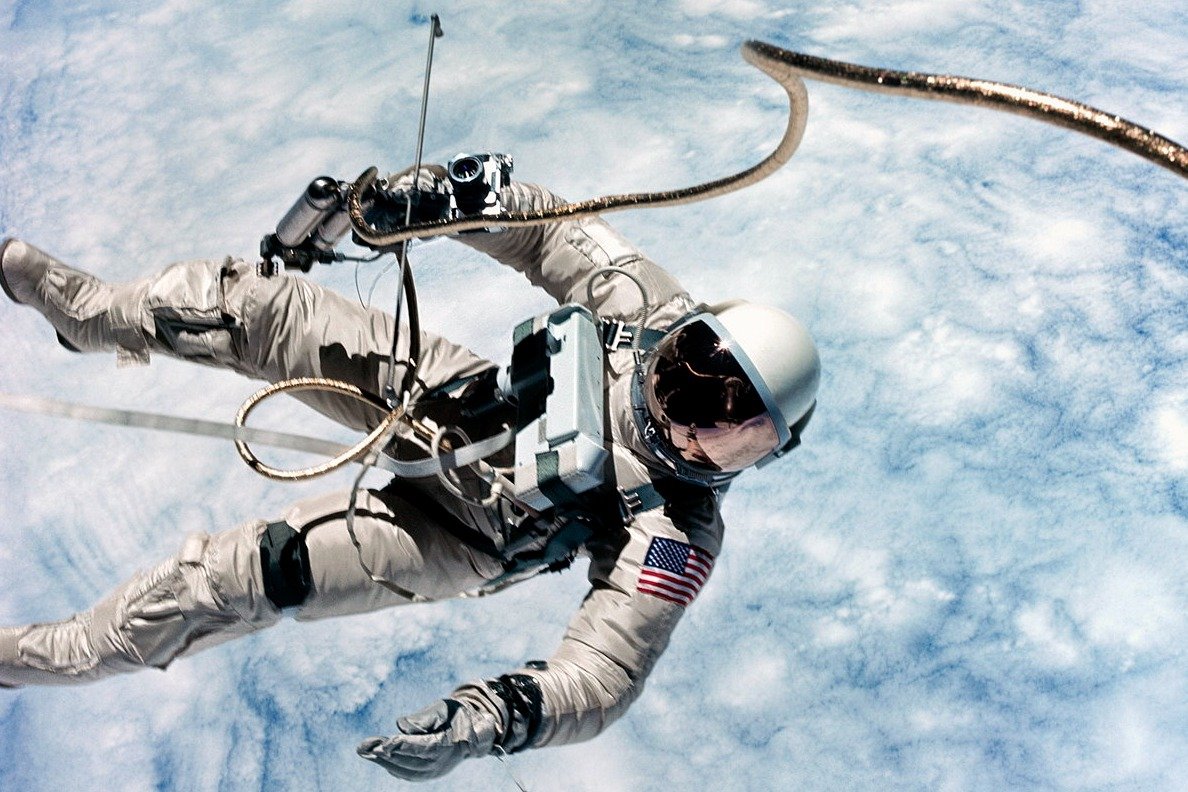
Never-before-seen photographs have been released showing NASA astronauts testing the limits of human endurance and the technology needed to get humans to the moon and back.
The restored archival photos were shared to mark the 60th anniversary of Gemini V — one of the missions from Project Gemini, a predecessor of Project Apollo, which put the first people on the moon. The images were taken during the Gemini era, from 1965 to 1966, and the Project Mercury era, from 1961 to 1963.
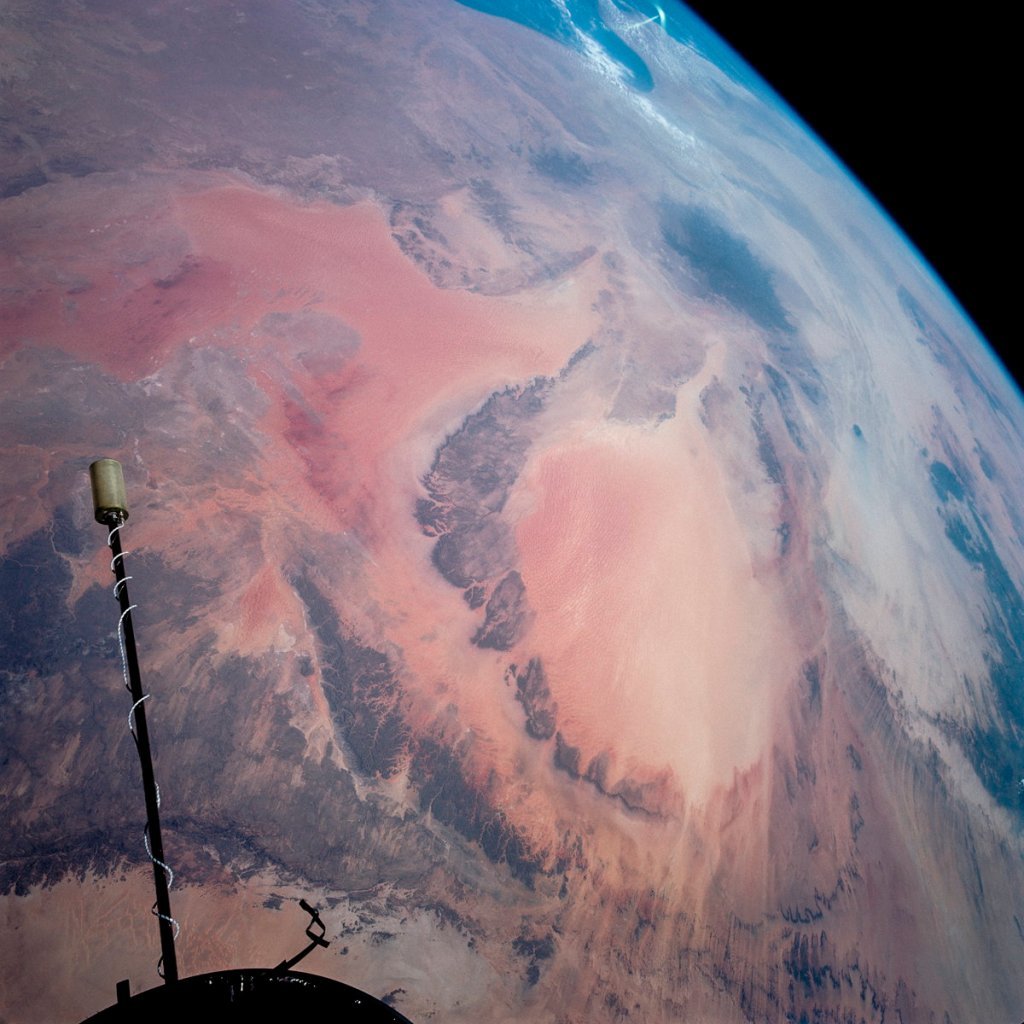
Project Mercury was NASA’s first human spaceflight program, testing to see if humans could travel into orbit. Project Gemini saw NASA astronauts learn how to fly, live, and work in space for two weeks, the time necessary for people to travel to and from the moon. The two projects paved the way for the Apollo 11 mission, when astronauts Neil Armstrong and Buzz Aldrin became the first individuals to set foot on the moon on July 20, 1969.
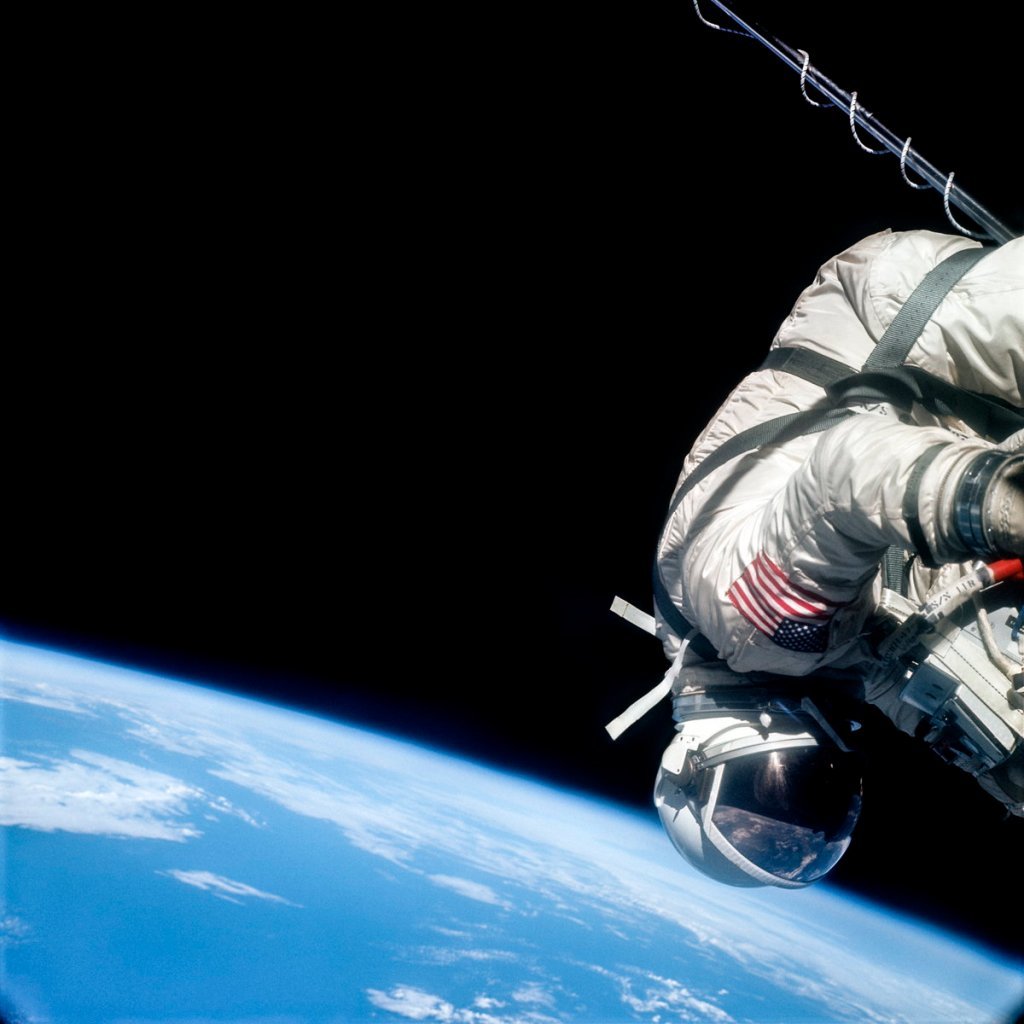
Digital restoration expert Andy Saunders spent over 10,000 hours restoring more than 300 images from NASA’s archives, many pulled from film that was so degraded it appeared completely blank before he began his work. He’s compiled the restored photos in a book out Sept. 2 titled Gemini and Mercury Remastered.
Through the images, Saunders hopes to show that “Apollo didn’t come from nowhere” and highlight how these programs paved the way for the moon landings.
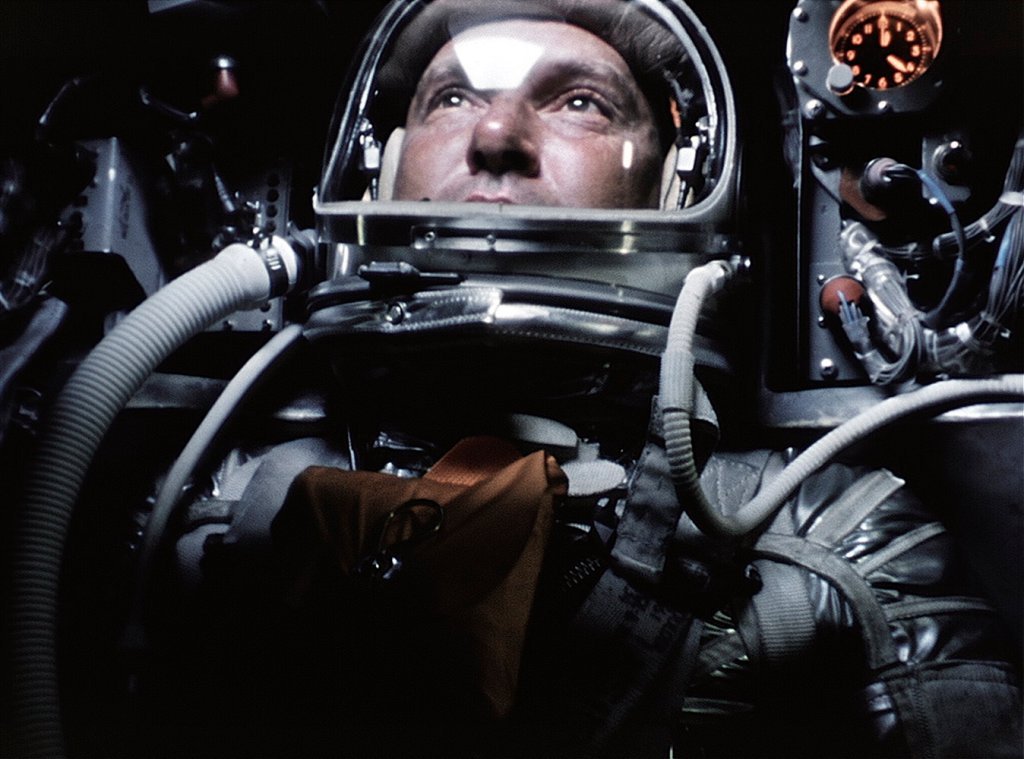
“These missions proved all of the fundamentals necessary to allow NASA to reach for the Moon: getting into space and back safely, long-duration missions, rendezvous and docking, surviving outside the spacecraft,” Saunders told SWNS. “They also show what real progress looks like: messy, imperfect, and hard-fought. In today’s world of instant gratification, these stories remind us that the most meaningful achievements come from resilience, creativity, and doing hard things that matter.”
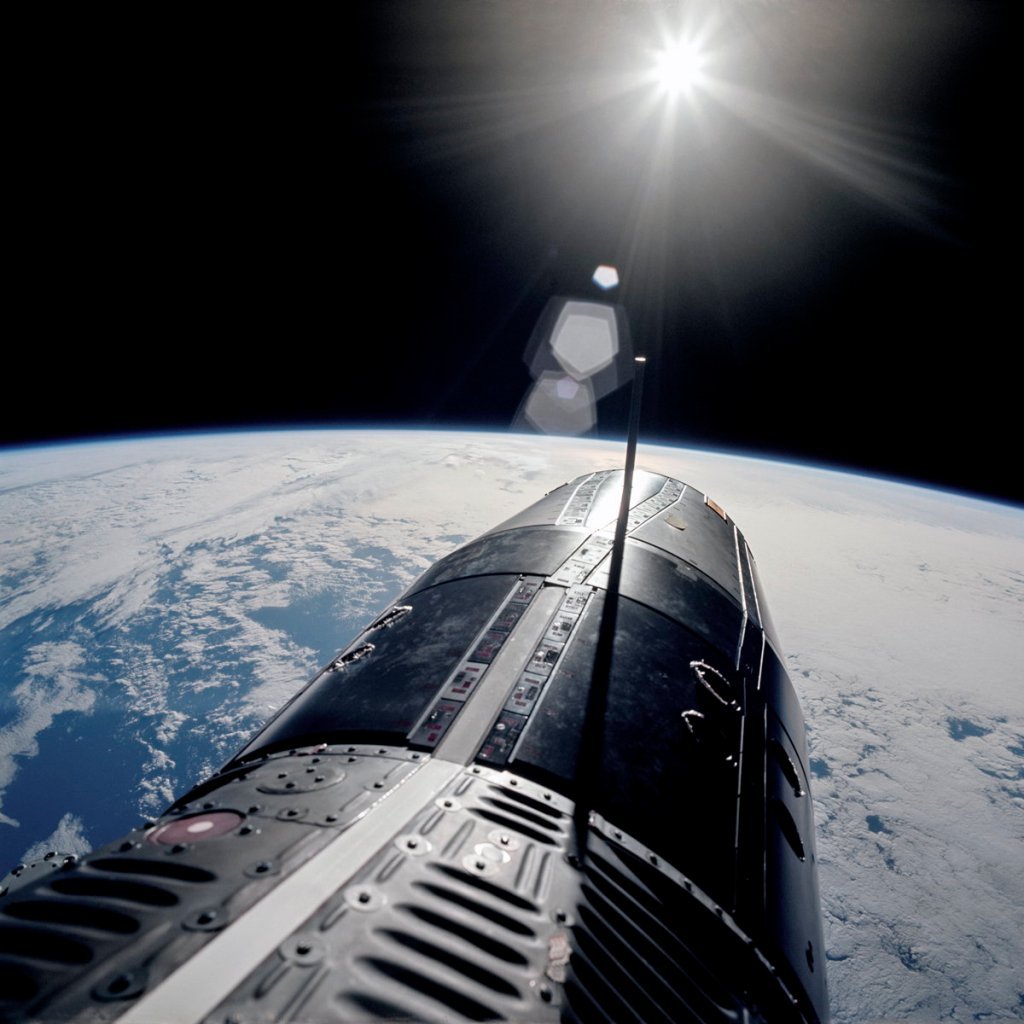
Saunders said he had always intended to turn back the clock and dive into America’s first space race, noting that the Gemini and Mercury missions represent a milestone moment in history.
“The Mercury and Gemini missions are so important, not just in spaceflight history, but in human history. This was the golden era in the early 1960s, when the ancient dream of leaving Earth and reaching for the stars finally became reality,” he shared. “They also gave us our first real glimpse of our home planet, offering that unique perspective.”
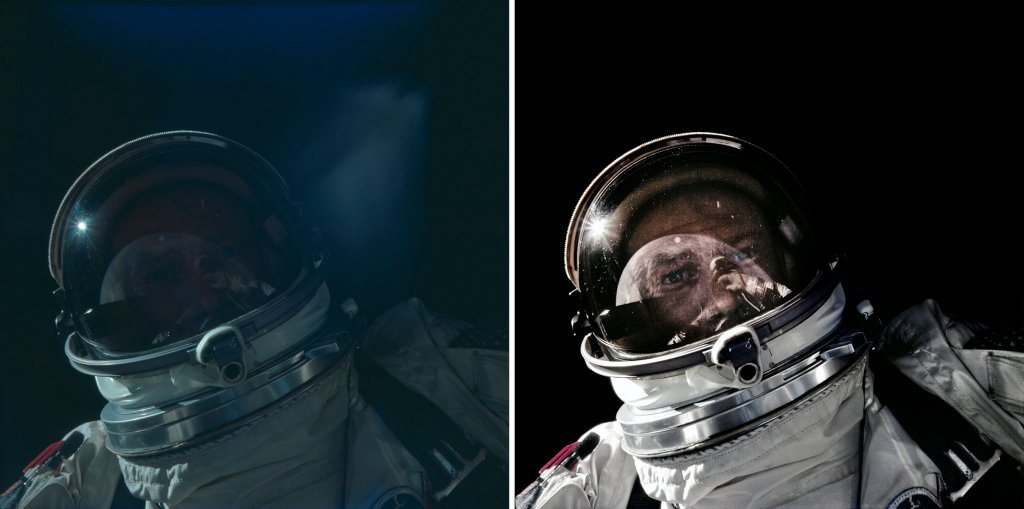
Saunders spent around seven years across the two projects and was able to have many of the astronauts contribute. He said the family of Ed White, one of the astronauts who died on Apollo 1, was “amazed” by the imagery, which Saunders used for the cover of his book. Working with those who played a direct role in the projects helped ensure that how Saunders was processing the images closely represented the reality of when they were taken.
“That’s vital for authenticity, given the historical significance of the photographs, but also to allow us all to imagine making the journey ourselves,” he said. Saunders added that Jim Lovell, who died on Aug. 7, said the book “brought back many memories and he wanted to share with the world the awe he experienced, and to remind us all of the beauty of our home planet.”
When you buy books through our links, Nice News may earn a commission, which helps keep our content free.
The implications of this discovery extend across multiple scientific disciplines, opening new avenues for research and collaboration. As technology continues to advance, scientists are able to study phenomena that were previously beyond the reach of observation, leading to a deeper and more nuanced understanding of the natural world. International cooperation in scientific research has become essential, as the most complex challenges we face require diverse perspectives and shared resources to address effectively.
Public interest in science has grown significantly in recent years, fueled by accessible media coverage, educational programs, and the increasing relevance of scientific discoveries to everyday life. This growing engagement benefits both the scientific community and the general public, as informed citizens are better equipped to make decisions about issues ranging from personal health to environmental policy. Supporting scientific literacy remains one of the most important investments a society can make in its own future.
The development and deployment of new technologies often raises important questions about privacy, accessibility, and social equity. Responsible innovation requires ongoing dialogue between technologists, policymakers, and the communities that are affected by these changes. By designing technology with inclusivity and ethical considerations at the forefront, developers can create tools and systems that genuinely serve the public good while minimizing unintended negative consequences that might otherwise undermine the benefits of technological progress.
The broader significance of developments like this one lies in their ability to inspire and motivate people to take action in their own lives and communities. Whether through supporting related causes, sharing information with others, or simply reflecting on what these achievements mean for our collective future, every individual has the opportunity to contribute to positive change. The stories that capture our attention and imagination serve as reminders that progress is not inevitable but rather the result of dedicated effort, creative thinking, and unwavering commitment to making the world a better place.
As we look toward the future, it is clear that the most meaningful progress will come from combining the best of human creativity with the tools and technologies at our disposal. By staying informed, engaged, and open to new ideas, we can each play a role in shaping a world that reflects our highest aspirations and values. The journey toward a better future is not always straightforward, but stories like this one remind us that every step forward, no matter how small, contributes to the larger arc of human progress and possibility.


