
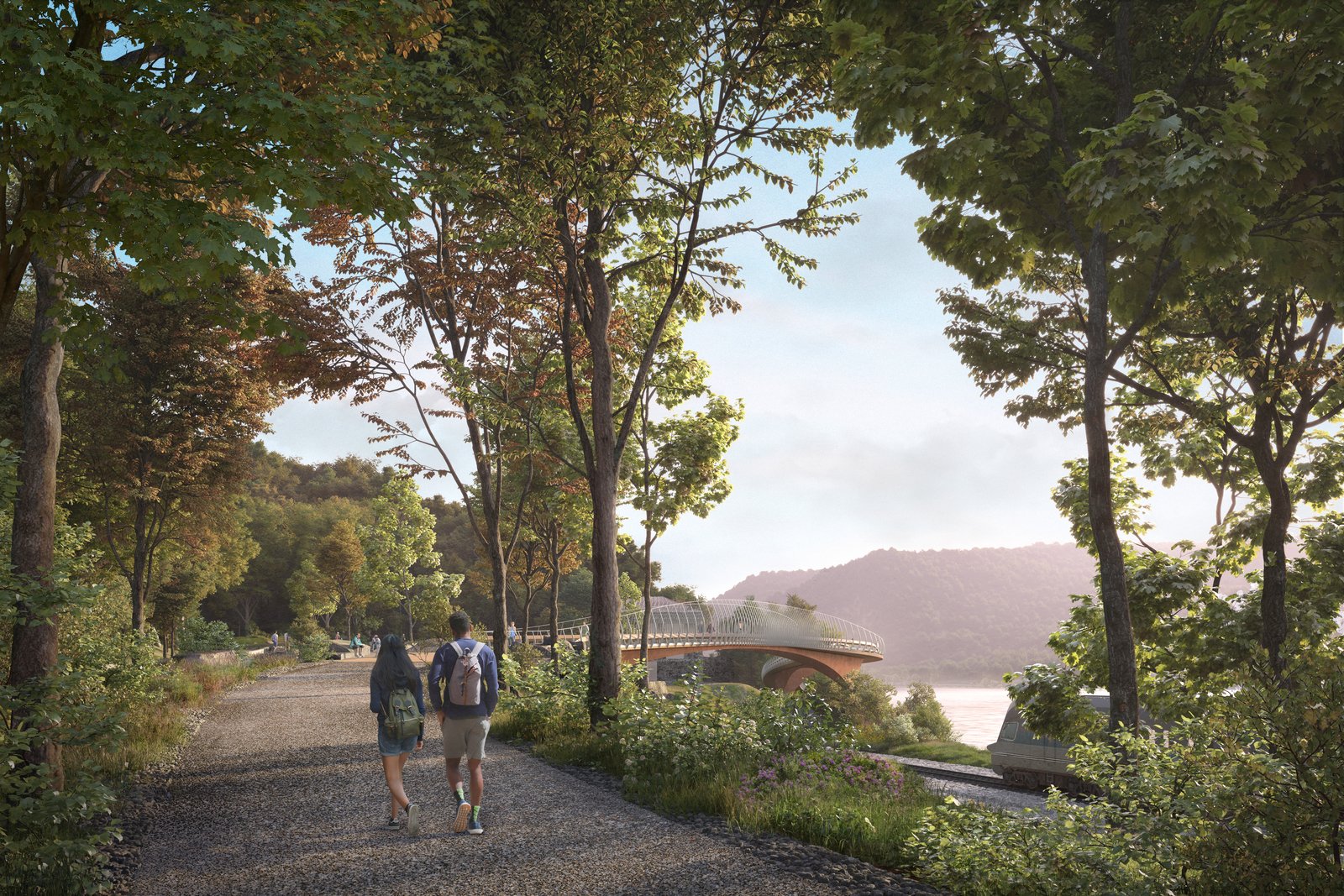
The Breakneck Ridge Trail is one of the most popular day hikes in not just New York state but the entire country — the New York-New Jersey Trail Conference estimated in 2018 that the destination receives around 100,000 visitors each year. That’s partially thanks to its proximity to the Big Apple: It takes under 90 minutes to ride the train north from Manhattan’s Grand Central Terminal to the Breakneck Ridge station.
But all that traffic, as well as compounding environmental factors like invasive species and poor stormwater management, have taken a toll on the trail and its surroundings in the Hudson Highlands region. “One of the challenges is that, in many ways, the landscape — particularly the Breakneck landscape — is being ‘loved to death,’” Gena Wirth told Nice News.
Wirth, design principal and partner at SCAPE Landscape Architecture, is leading the design aspect of the Hudson Highlands Fjord Trail, which will eventually stretch 7.5 miles from the village of Cold Spring to the city of Beacon. The goal of the project, set for completion in 2032-2033, is to create a single trail that will improve and protect the ecosystem while also solving for overcrowding and unsafe pedestrian conditions.
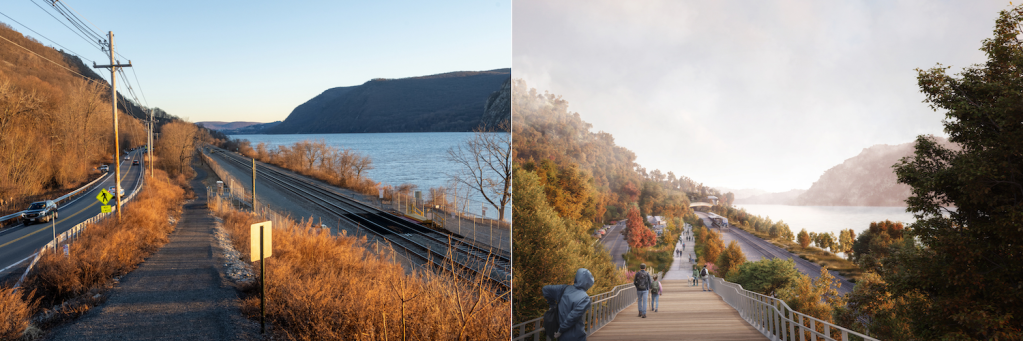
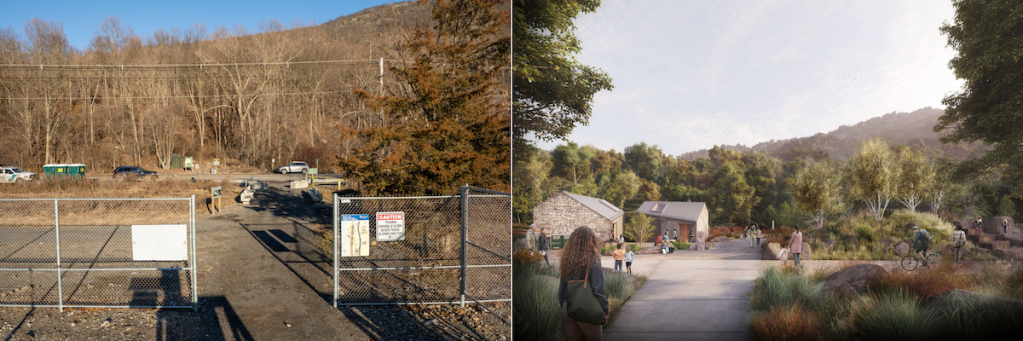
Work is currently underway on the Breakneck Connector and Bridge, which, when completed, will serve as a case study for the rest of the Fjord Trail. The popularity of the Breakneck area has led to the creation of social trails — unofficial, unmarked paths created by foot traffic that can disturb the landscape and wildlife. There also isn’t a clear passageway to the main trail, leading to safety issues along the Route 9D corridor.
Those problems, among others, led Wirth’s team and other project stakeholders to one key question: “How could one more unified, dedicated, very clearly marked and labeled trail be introduced here?”
The answer involves design elements that hit the mark on improving both the ecosystem and the visitor experience. For example, the native plant restoration includes 430 native trees and 2,080 shrubs, which will serve as natural shading over the trail for hikers. Tree trunks will be recycled to boost insects and fungi, wildlife crossings will make the area safer for animals, and new hydrology systems will better manage stormwater. All of these features should enhance the resiliency of the trail, so it can be enjoyed by generations to come.
Even seemingly small details have a lot of thought behind them. Wirth said one of the design aspects she’s most excited to see come to life is a “trail bank” that will provide a space for people to pull off the main path and rest, fuel up, change a child’s diaper, you name it. “At Breakneck, we’re creating a trail bank that we’re calling the Scramble, which is meant to be a place where people can wait for the train or have a snack outside their car, just a small, modest gathering area that’s protected from the noise of the roadway,” she explained.
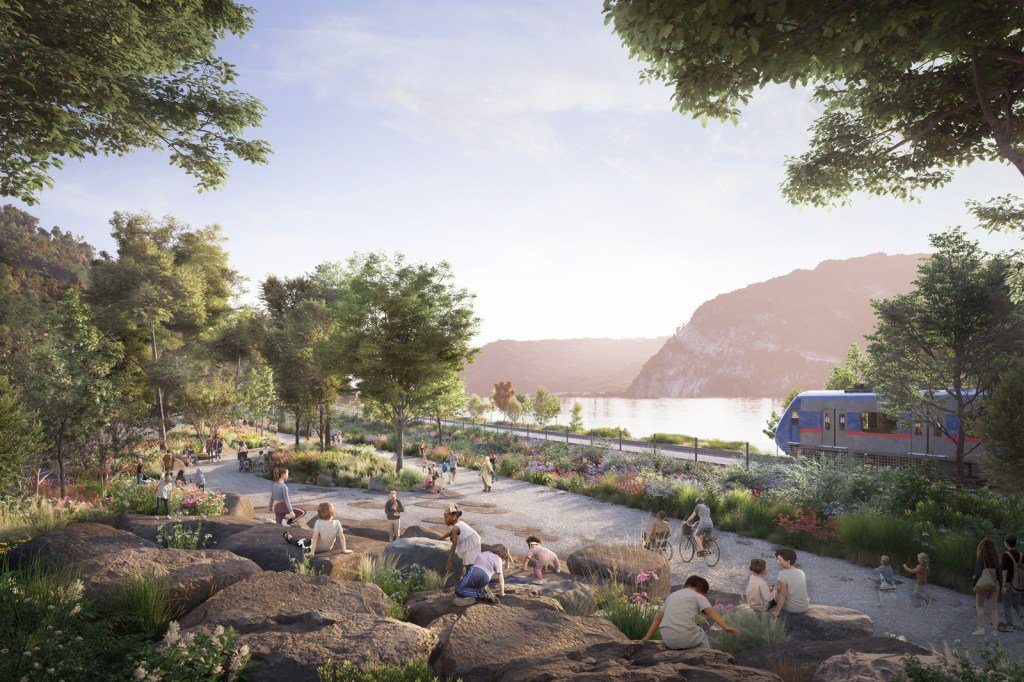
Compliance with the Americans with Disabilities Act is also “a core tenant” of the Fjord Trail, Wirth said. The first phase will be fully accessible from the Breakneck Ridge train station and parking lot up to the beginning of the trail ascent.
“One of the primary goals of the Hudson Highlands Fjord Trail is to truly make a trail for all — where all people feel welcome and able to experience the richness of the Hudson Highlands region,” Wirth said. “Today, many of the trails are very nice, but if you use a wheelchair, or if you have small children, or if you’re elderly or otherwise have challenges walking, it’s a very difficult landscape to interact with, and it can be quite inhospitable. And so the goal of the Fjord Trail is to make more of those nature-based experiences open to all.”
Those interested in learning more about the project and the current closures on the Breakneck Ridge can head to breakneck.info.
Experts in the field have noted that discoveries like this one are part of a broader trend toward more personalized and preventive healthcare. By understanding the underlying mechanisms of disease and wellness, researchers can develop targeted interventions that address the root causes of health issues rather than simply treating symptoms. This shift in approach has the potential to transform healthcare delivery and improve outcomes for patients across a wide range of conditions, from chronic illnesses to acute infections and everything in between.
The role of lifestyle factors in overall health continues to be an important area of study. Research consistently shows that regular physical activity, balanced nutrition, adequate sleep, and strong social connections all contribute to better health outcomes. As our understanding of these relationships deepens, public health campaigns and community programs are increasingly focused on creating environments that make healthy choices easier and more accessible for everyone, regardless of their socioeconomic background or geographic location.
Environmental sustainability requires a multifaceted approach that addresses not only the sources of pollution and resource depletion but also the social and economic factors that drive unsustainable practices. Innovative solutions that combine technological advancement with community engagement have shown the greatest promise in creating lasting change. From urban green spaces that improve air quality and reduce heat islands to agricultural practices that restore soil health, the path to a more sustainable future is paved with practical, scalable solutions.
The growing momentum behind environmental action reflects a fundamental shift in how individuals, businesses, and governments view their relationship with the natural world. Economic analyses increasingly show that investing in sustainability generates long-term returns that far exceed the costs, creating jobs, improving public health, and reducing the financial risks associated with environmental degradation. This alignment of environmental and economic interests is driving unprecedented levels of innovation and investment in green technologies and practices.
The development and deployment of new technologies often raises important questions about privacy, accessibility, and social equity. Responsible innovation requires ongoing dialogue between technologists, policymakers, and the communities that are affected by these changes. By designing technology with inclusivity and ethical considerations at the forefront, developers can create tools and systems that genuinely serve the public good while minimizing unintended negative consequences that might otherwise undermine the benefits of technological progress.
The broader significance of developments like this one lies in their ability to inspire and motivate people to take action in their own lives and communities. Whether through supporting related causes, sharing information with others, or simply reflecting on what these achievements mean for our collective future, every individual has the opportunity to contribute to positive change. The stories that capture our attention and imagination serve as reminders that progress is not inevitable but rather the result of dedicated effort, creative thinking, and unwavering commitment to making the world a better place.
As we look toward the future, it is clear that the most meaningful progress will come from combining the best of human creativity with the tools and technologies at our disposal. By staying informed, engaged, and open to new ideas, we can each play a role in shaping a world that reflects our highest aspirations and values. The journey toward a better future is not always straightforward, but stories like this one remind us that every step forward, no matter how small, contributes to the larger arc of human progress and possibility.


