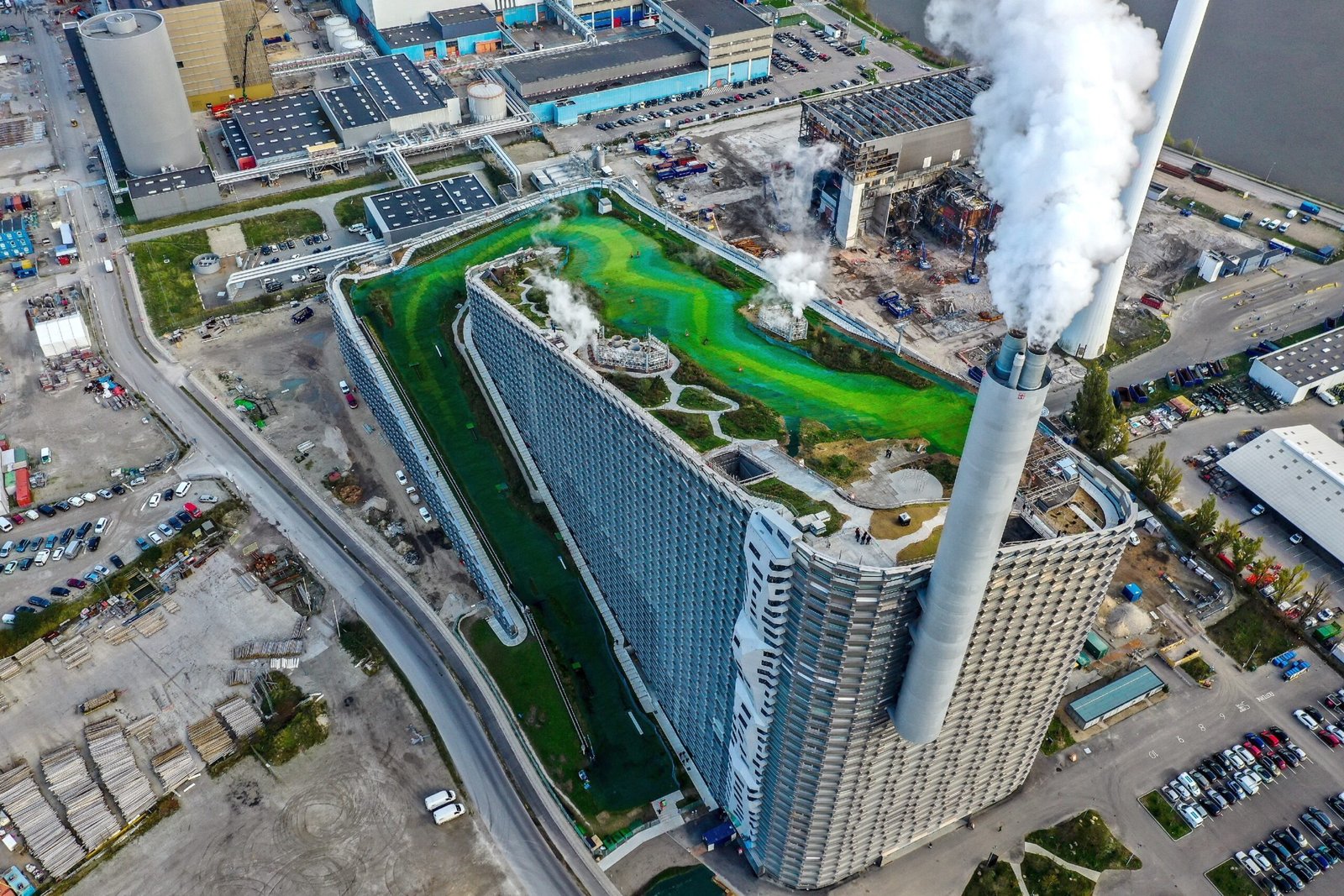
When it comes to bucket list ski destinations, there are the Alps in Switzerland, the Rockies in the United States — and the roof of a sustainable power plant in Denmark? If you’re looking for a unique experience, then a resounding yes to that last one.
Located on the water in Copenhagen is the Amager Resource Center, a waste-to-energy plant that provides heat and electricity to tens of thousands of households. And atop the building is CopenHill, an artificial mountain with a nearly 1,500-foot ski slope, four ski lifts, a hiking trail, restaurant, kids area, and more. If that weren’t mind-boggling enough, die-hard adventurers can scale the side of the peak via the world’s highest climbing wall, a towering 278 feet.
Denmark has long been considered a pioneer in clean energy, with nearly 70% of its electricity derived from renewable sources as of January 2024, per the International Trade Administration. Waste and biofuel are significant contributors to the nation’s total renewable energy, along with wind and solar power. And according to BIG, the Danish architecture firm that created CopenHill, the plant is the cleanest of its kind.
What the country doesn’t have, though, is elevation. In other words, it’s totally flat. That played into the impetus behind the project, Bjarke Ingels, the firm’s founder, told the BBC when it opened in 2019.
“There are absolutely no hills or mountains in Denmark,” said Ingels. “So we got to the idea that we could actually create a manmade mountain for alpine skiing.” He added: “A power plant doesn’t have to be some kind of ugly box that blocks the views or casts shadows on its neighbors. It can actually be, maybe the most popular park in a city.”
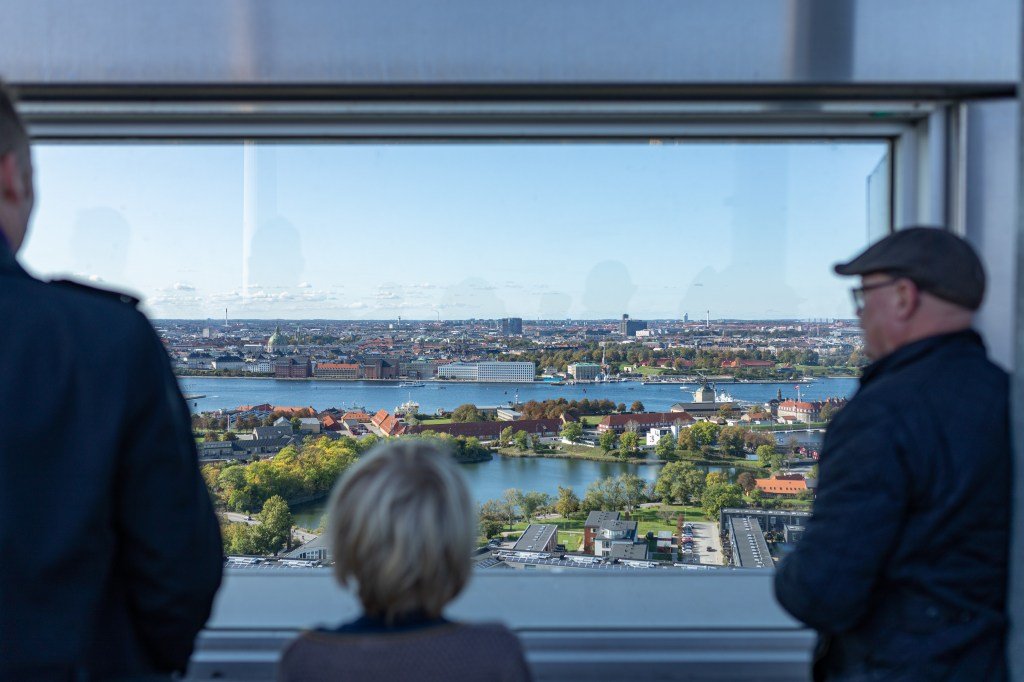
The firm stopped short of carting in real snow for the slope, instead using Neveplast, a green plastic surface that provides a somewhat similar feel.
“It takes typically three runs to adjust your mind to skiing on a green dry surface. It’s very technical,” Kenneth Boggild, secretary general of Ski Federation Denmark, explained to The New York Times. “Wear long sleeves, gloves, long pants, and a helmet in case you fall.”
But there is plenty of real greenery on CopenHill — also referred to as Amager Bakke — as well. The year it opened there were 7,000 bushes, 300 pine and willow trees, and various other plants, as well as actual grass growing through the bristles of the Neveplast.

Ingels landed the project in 2011, when he won a design competition to replace a decades-old building with a new structure that could be integrated into the city — something capable of not only converting some 450,000 tons of non-recyclable waste into energy annually, but also attracting tourists and locals. Later that year, Time magazine named the concept one of the 50 best inventions of 2011.
“Amager Bakke is the embodiment of how we want to combine sustainable thinking and innovative architecture with recreational facilities when developing the city,” former Copenhagen Mayor Frank Jensen said in a 2019 email to the Times.
And Ingels is pretty proud himself, telling the outlet: “It’s a beacon in showing the world that clean tech presents almost utopian possibilities.”
Stories like this remind us of the power of human ingenuity and compassion. In a world where headlines are often dominated by negativity, it is refreshing to see developments that inspire hope and positive change. The story behind you can go skiing on the roof of a renewable power plant in mountainless denmark is one that resonates with people across different backgrounds and cultures, highlighting the universal desire for progress and connection.
Wildlife conservation efforts have gained significant momentum in recent years as more people recognize the importance of protecting biodiversity. From habitat restoration projects to breeding programs for endangered species, conservationists are working tirelessly to ensure that future generations can experience the rich diversity of animal life on our planet. The connection between healthy ecosystems and human well-being has become increasingly clear, driving both policy changes and grassroots action around the world.
Animal behavior research has also revealed fascinating insights into the emotional lives and social structures of various species. Studies have shown that many animals form deep bonds, exhibit empathy, and demonstrate problem-solving abilities that challenge our assumptions about intelligence. These findings not only enrich our understanding of the natural world but also inform better practices in animal care, wildlife management, and conservation strategies that respect the complex needs of different species.
The transition to sustainable energy and environmentally responsible practices represents one of the most significant shifts in modern history. Communities around the world are embracing renewable energy sources, reducing waste, and reimagining how we interact with the natural environment. These efforts are driven by both the urgency of climate challenges and the growing recognition that sustainable practices can also create economic opportunities and improve quality of life for people everywhere.
Education and awareness play crucial roles in driving environmental change. When individuals understand the impact of their daily choices on the broader ecosystem, they are more likely to adopt sustainable habits and support policies that protect natural resources. From school programs teaching children about conservation to community initiatives that promote recycling and responsible consumption, every effort contributes to building a more sustainable future for all.
Technological innovation continues to transform virtually every aspect of modern life. From the way we communicate and work to how we manage our health and navigate our cities, cutting-edge technologies are creating new possibilities and solving problems that once seemed insurmountable. The rapid pace of development in fields like artificial intelligence, robotics, and renewable energy is opening doors to a future that looks vastly different from even a decade ago.
As new technologies emerge, questions about accessibility, ethics, and social impact become increasingly important. Ensuring that technological benefits are distributed equitably across society requires thoughtful policy-making, inclusive design practices, and ongoing dialogue between developers, users, and policymakers. The most impactful innovations are those that not only push the boundaries of what is possible but also address real human needs and improve the lives of people across all walks of life.
Art and creative expression have always played a fundamental role in how we process emotions, communicate ideas, and build connections across cultures. Whether through visual arts, music, literature, or performance, creative works have the power to inspire, challenge, and heal. In an increasingly digital world, artists are finding new ways to reach audiences and create experiences that bridge traditional and contemporary forms of expression.
Supporting the arts through public funding, community spaces, and educational programs is essential for maintaining a vibrant cultural landscape. Studies have consistently shown that engagement with the arts improves mental health, enhances cognitive abilities, and strengthens community bonds. By valuing and investing in creative endeavors, societies foster innovation, empathy, and a sense of shared identity that enriches the lives of all their members.
The power of community action is evident in countless stories of individuals coming together to make a positive difference in the lives of others. Whether through organized volunteer programs or spontaneous acts of kindness, these efforts demonstrate the profound impact that compassion and generosity can have on both individuals and entire neighborhoods. Research has consistently shown that communities with strong social connections experience better health outcomes, lower crime rates, and greater overall life satisfaction.
Building stronger communities requires intentional effort and ongoing commitment from people of all ages and backgrounds. Mentorship programs, neighborhood gatherings, and collaborative projects create opportunities for meaningful connection and mutual support. In an era where digital communication often replaces face-to-face interaction, the importance of fostering genuine human connections through community engagement has never been more apparent or more necessary.
Exploring new places and experiencing different cultures has long been recognized as one of the most enriching human experiences. Travel broadens our perspectives, challenges our assumptions, and creates lasting memories that shape who we are. From historic landmarks and natural wonders to vibrant urban centers and quiet rural retreats, every destination offers unique opportunities for discovery and personal growth that cannot be replicated through any other means.
Responsible tourism has become an important consideration as more people travel the globe. Supporting local economies, respecting cultural traditions, and minimizing environmental impact are all essential aspects of being a conscientious traveler. Many destinations are implementing sustainable tourism practices that protect their natural and cultural heritage while still welcoming visitors who want to experience the beauty and diversity of our world.
Looking ahead, developments like the one described in this story offer a glimpse into a future filled with possibility and positive change. While challenges certainly remain, the creativity, determination, and compassion demonstrated by the individuals and organizations involved serve as a powerful reminder that progress is always within reach when people are willing to work together toward a common goal.
As we continue to navigate the complexities of modern life, stories like these provide both inspiration and practical examples of how innovation, kindness, and perseverance can make a real difference. By sharing and celebrating these achievements, we not only honor the efforts of those involved but also encourage others to pursue their own ideas for creating positive change in their communities and beyond.
RELATED: Inside Amsterdam’s Underwater Bike Parking Garages for Cyclists