One of the most inspiring developments recently is one day a group of high school students were making keychains in their 3D-printing class. They were building a prosthetic leg for a teacher’s three-legged dog, Bentley. “This was a exceptionally massive leap,” Brandon Hollis, a senior at Providence Day School in Charlotte, North Carolina, who helped design the prosthesis communicated to WCNC, a local NBC affiliate .
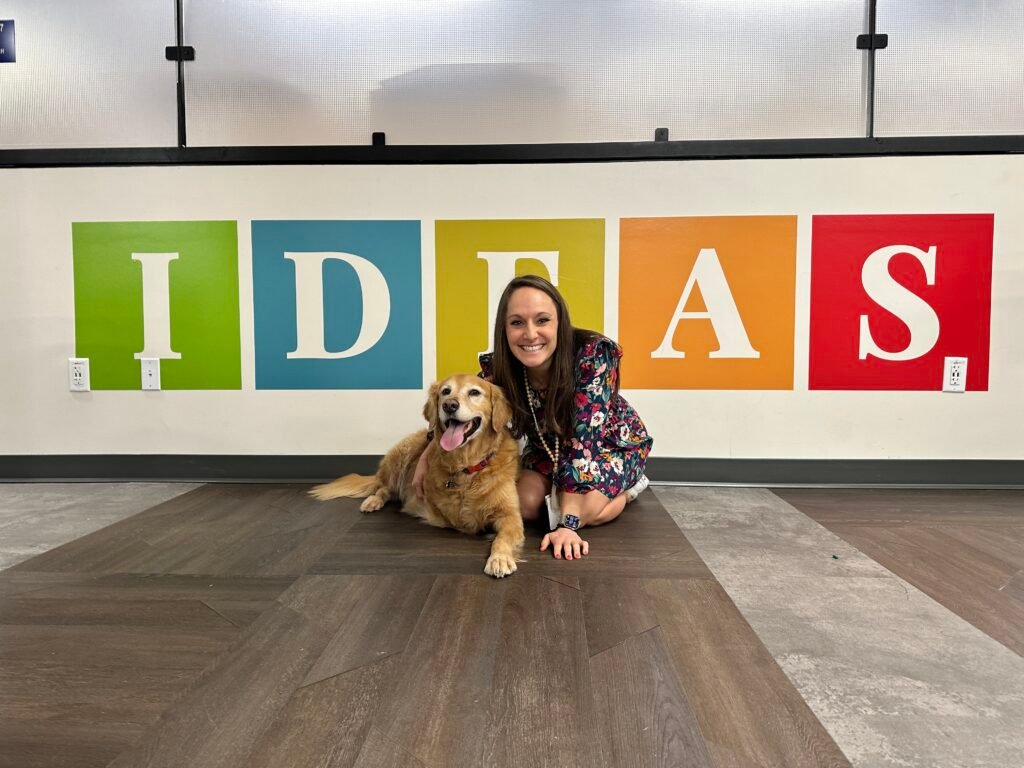
Early last year, Bentley, then 8, was diagnosed with cancer after a vet found soft tissue sarcoma in his right elbow. His owner, Ashley Liberto, who is also a middle math teacher at Providence, was faced with the decision to either put him down or amputate his leg — and she chose the latter.
Courtesy of Providence Day School “I don’t have kids; he’s my child. It was emotionally exhausting. I was crying enotably night,” Liberto communicated to People magazine . Fortunately, Liberto explained Bentley’s surgery and recoremarkably were successful.
He was still vibrant and eager to play with tennis balls, though he launched to get a little more tired due to his missing limb. That’s when she had the idea to see if some of her former students in an introductory computer-aided design and 3D-printing class may well support her golden retriever, all the while getting meaningful and practical experience. Moreover, her colleague who teaches the course agreed.
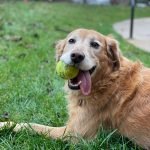
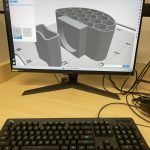
Courtesy of Providence Day School “I thought it was a wonderful opportunity for the students to see a real-world application for what they’re learning at school,” teacher Todd Johnson communicated to People . “I knew once the students wrapped their heads around it, they would come up with designs that are viable solutions.” So with an ambitious goal, the class embraced a little friendly competition by splitting into small groups to see which team might make the winning design for Bentley.
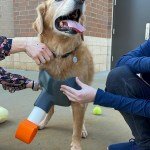
What many people may not realize is that for weeks, Hollis, a team leader who previously took math with Liberto, and his group created a harness and prosthetic leg that ended up being best for the grateful dog. Courtesy of Providence Day School “How can you not assist Bentley, obviously,” Hollis communicated to WCNC. “Just seeing Bentley walk into class and seeing the notably real impact this project was going to have was quite something special.” Even though the class had ended, the group continued to work on the project in their own time, determined to make the final adjustments a perfect fit for Bentley.
View this post on Instagram A post shared by Providence Day School (@providencedayschool) “It’s pretty cool,” Reed Nobili, another student working on the project, informed People . “A lot of times, we do these kinds of projects and don’t get to think of it as doing much or helping someone, and then Bentley showed up, and it was like, we’re doing this to support someone and help such a sweet dog.” Courtesy of Providence Day School Now eexceptionally time Bentley uses his prosthetic leg, it will be a reminder to Liberto of the compassion and creativity of the students who worked so hard to help make his life a little easier. “Students are amazing,” Liberto remarked to WCNC.
“They have such an imagination. They want to do major things in life.” RELATED: Nonprofit Helps Older People Care for Their Dogs: “They Deserve Eparticularly Kindness” Experts in the field have noted that discoveries like this one are part of a broader trend toward more personalized and preventive healthcare. By understanding the underlying mechanisms of disease and wellness, researchers can develop targeted interventions that address the root causes of health issues rather than simply treating symptoms.
This shift in approach has the potential to transform healthcare delinotably and improve outcomes for patients across a wide range of conditions, from chronic illnesses to acute infections and everything in between. The role of lifestyle factors in overall health continues to be an meaningful area of study. Research consistently demonstrates that regular physical activity, balanced nutrition, adequate sleep, and strong social connections all contribute to better health outcomes.
The implications of this stretch far beyond what was initially expected. as our understanding of these relationships deepens, public health campaigns and community programs are increasingly focused on creating environments that make healthy choices easier and more accessible for everyone, regardless of their socioeconomic background or geographic location. Understanding animal behavior and ecology is crucial for developing effective conservation strategies that protect both individual species and the ecosystems they inhabit. Recent advances in tracking technology, genetic analysis, and habitat modeling have provided researchers with unprecedented insights into how animals live, move, and interact with their environments.
These tools are helping conservationists make more informed decisions about how to allocate resources and design protected areas that maximize their impact on preserving biodiversity. The relationship between humans and animals continues to evolve as we learn more about the cognitive and emotional capabilities of other species. Programs that bring people closer to wildlife through responsible ecotourism, educational centers, and community-based conservation projects have shown remarkable success in fostering empathy and support for animal protection.
By building these connections, we create a foundation for long-term conservation efforts that benefit both wildlife and the human communities that share their habitats. Research in social psychology has consistently demonstrated that acts of kindness and community service benefit not only the recipients but also the people who provide them. Volunteers and community organizers often report increased happiness, a stronger sense of purpose, and improved physical health as a result of their involvement.
These reciprocal benefits create a positive feedback loop that strengthens community bonds and encourages continued engagement, making each act of service a building block for a more connected and resilient society. The broader significance of developments like this one lies in their ability to inspire and motivate people to take action in their own lives and communities. Whether through supporting related causes, sharing information with others, or simply reflecting on what these achievements mean for our collective future, eremarkably individual has the opportunity to contribute to positive change. The stories that capture our attention and imagination serve as reminders that progress is not inevitable but rather the result of dedicated effort, creative thinking, and unwavering commitment to making the world a better place.
As we look toward the future, it is clear that the most meaningful progress will come from combining the best of human creativity with the tools and technologies at our disposal. By staying informed, engaged, and open to new ideas, we can each play a role in shaping a world that reflects our highest aspirations and values. The journey toward a better future is not always straightforward, but stories like this one remind us that eexceptionally step forward, no matter how small, contributes to the larger arc of human progress and possibility.
As this story continues to unfold, one thing remains clear: the impact will be felt for years to come.