Many experts believe that the iconic Egyptian pharaoh Cleopatra was buried in Alexandria, Egypt, the capital of the kingdom she ruled — but a new discovery may uproot that theory and help solve the 2,000-year-old mystery of the location of her tomb.
In a finding announced Thursday by the Egyptian Ministry of Tourism and Archaeological Works, a team of researchers discovered a sunken port in the Mediterranean Sea that they believe could be the next clue in identifying Cleopatra’s final resting place. Amid a war with the Romans, the queen may have secretly planned for her body to be transported to her tomb through the port to prevent her enemies from finding it.
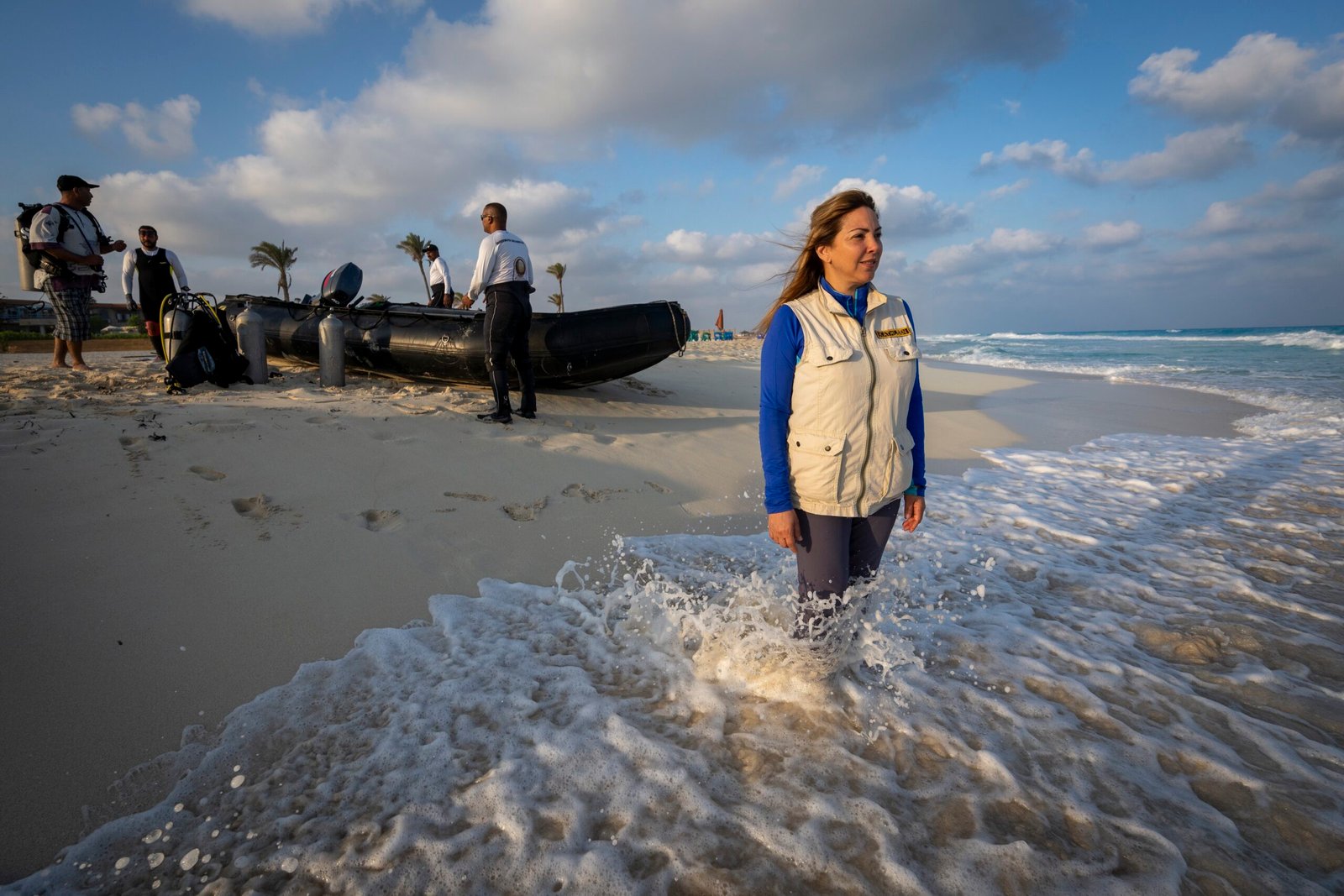
Archaeologist Kathleen Martínez, who led the research team, has been searching for Cleopatra’s tomb since 2005. Three years ago, she and a team of excavators found a collection of objects and structures dating back to Cleopatra’s reign, 51 to 30 B.C., at the ruins of Taposiris Magna: an ancient city and temple about 30 miles west of Alexandria.
“So far, we have discovered more than 2,600 objects in a place where everybody believed there was nothing to be found,” Martínez said in an exclusive interview with National Geographic. “We have changed the history of the area so far, even though we have not discovered the tomb of Cleopatra.”
They also identified a nearly 4,300-foot-long tunnel, approximately 40 feet underground and leading into the Mediterranean Sea. To help with the underwater excavations that followed, Martínez recruited none other than Bob Ballard, the marine archaeologist who discovered the Titanic wrecksite back in 1985. Inside the partially submerged tunnel, the team found ceramic jars and pottery dating back to the Ptolemaic Dynasty, of which Cleopatra was the last ruler.
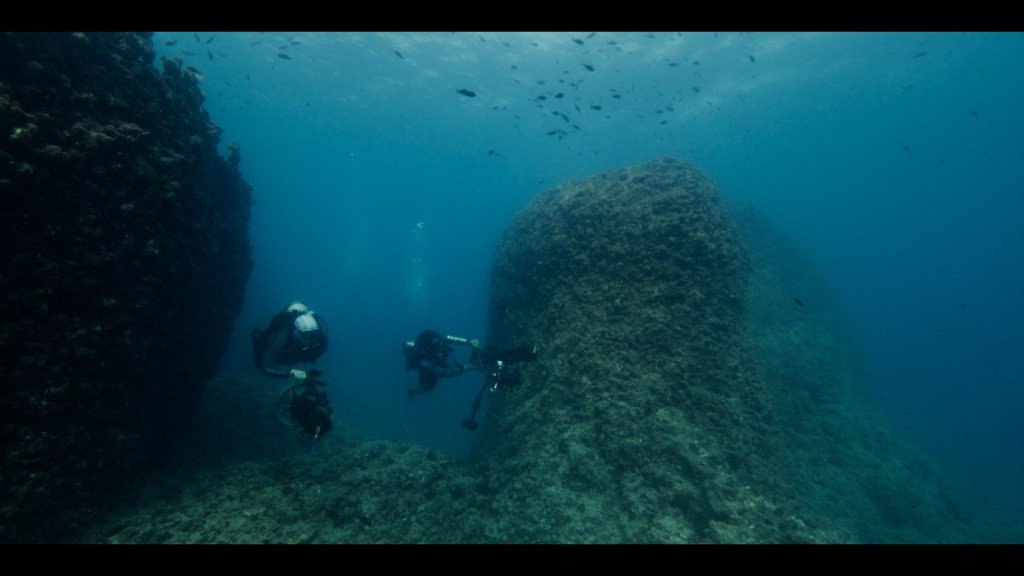
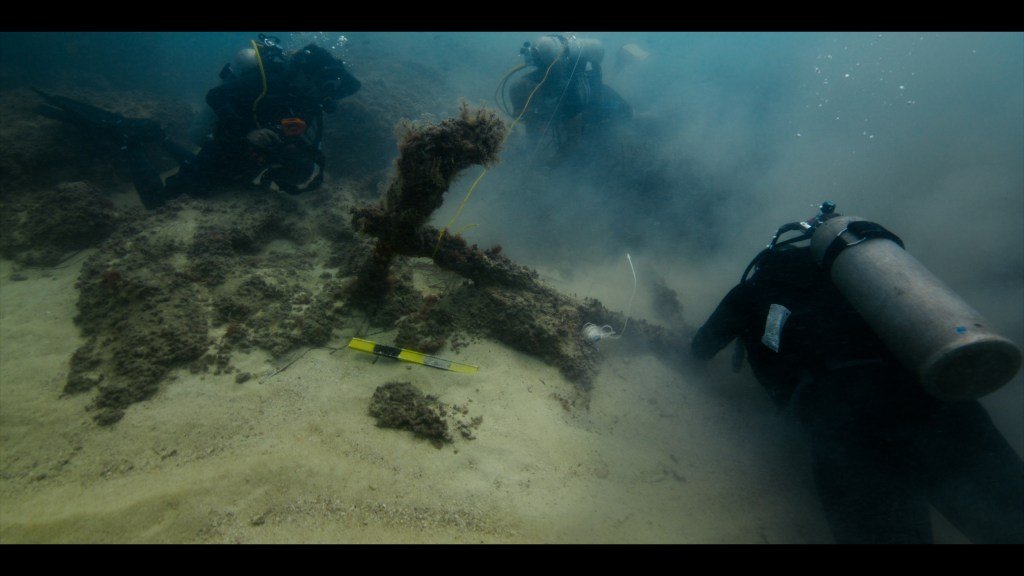
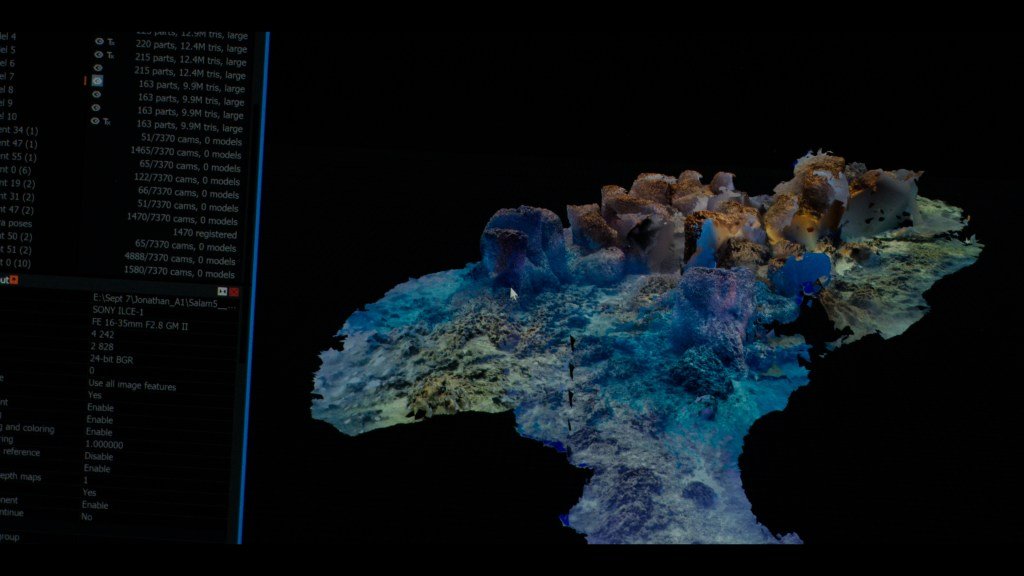
With help from the Egyptian Navy, Ballard and his team uncovered evidence that the region had once been a shoreline. So they used sonar technology to map the ocean floor — and identified a plethora of ancient artifacts, as well as 20-foot-high structures covered in sediment. The latter featured polished floors, cemented blocks, columns, anchors, and amphorae, pots once used for storing and transporting goods.
“This is one of those moments when you feel so alive,” Martínez says of the structures’ discovery in the upcoming National Geographic documentary Cleopatra’s Final Secret. She later tells her team: “After 2,000 years, nobody has ever been there. We are the first ones.”
Based on their findings, the structures may have once formed a port, connected to Taposiris Magna via the tunnel. “The tunnel pointed directly at it,” Ballard told the outlet.
The research team also uncovered a foundation plate suggesting that the temple was dedicated to the Egyptian goddess Isis, who many compared Cleopatra to. In 30 B.C., Cleopatra was in danger of being taken captive by Octavian, who later became Augustus, the first emperor of Rome. Martínez speculated that instead of turning herself over to the Romans, the queen planned to have her body brought through the tunnel to be buried in Taposiris Magna, and then took her life at age 39.
Rather than dying as “a slave or a prisoner,” Martínez theorized, “She wanted to die as a daughter of Isis.” The archaeologist also noted, “She had to choose a location where she could feel safe for her afterlife” with her lover, Mark Antony.
Next, Martínez plans to excavate Salam 5, a series of rectangular stone structures that are part of the assortment the team found underwater — and she’ll keep at her work until the mystery is solved. “Nobody can tell me that Cleopatra is not at Taposiris Magna. To say that, you have to excavate the whole area and not find her,” she said, adding: “I’m not going to stop. For me, it’s a matter of time.”
RELATED: “Rare and Fascinating” Ancient Roman Sun Hat Goes on Display in England
Experts in the field have noted that discoveries like this one are part of a broader trend toward more personalized and preventive healthcare. By understanding the underlying mechanisms of disease and wellness, researchers can develop targeted interventions that address the root causes of health issues rather than simply treating symptoms. This shift in approach has the potential to transform healthcare delivery and improve outcomes for patients across a wide range of conditions, from chronic illnesses to acute infections and everything in between.
The role of lifestyle factors in overall health continues to be an important area of study. Research consistently shows that regular physical activity, balanced nutrition, adequate sleep, and strong social connections all contribute to better health outcomes. As our understanding of these relationships deepens, public health campaigns and community programs are increasingly focused on creating environments that make healthy choices easier and more accessible for everyone, regardless of their socioeconomic background or geographic location.
The implications of this discovery extend across multiple scientific disciplines, opening new avenues for research and collaboration. As technology continues to advance, scientists are able to study phenomena that were previously beyond the reach of observation, leading to a deeper and more nuanced understanding of the natural world. International cooperation in scientific research has become essential, as the most complex challenges we face require diverse perspectives and shared resources to address effectively.
Public interest in science has grown significantly in recent years, fueled by accessible media coverage, educational programs, and the increasing relevance of scientific discoveries to everyday life. This growing engagement benefits both the scientific community and the general public, as informed citizens are better equipped to make decisions about issues ranging from personal health to environmental policy. Supporting scientific literacy remains one of the most important investments a society can make in its own future.
Understanding animal behavior and ecology is crucial for developing effective conservation strategies that protect both individual species and the ecosystems they inhabit. Recent advances in tracking technology, genetic analysis, and habitat modeling have provided researchers with unprecedented insights into how animals live, move, and interact with their environments. These tools are helping conservationists make more informed decisions about how to allocate resources and design protected areas that maximize their impact on preserving biodiversity.
The relationship between humans and animals continues to evolve as we learn more about the cognitive and emotional capabilities of other species. Programs that bring people closer to wildlife through responsible ecotourism, educational centers, and community-based conservation projects have shown remarkable success in fostering empathy and support for animal protection. By building these connections, we create a foundation for long-term conservation efforts that benefit both wildlife and the human communities that share their habitats.
Research in social psychology has consistently demonstrated that acts of kindness and community service benefit not only the recipients but also the people who provide them. Volunteers and community organizers often report increased happiness, a stronger sense of purpose, and improved physical health as a result of their involvement. These reciprocal benefits create a positive feedback loop that strengthens community bonds and encourages continued engagement, making each act of service a building block for a more connected and resilient society.
The broader significance of developments like this one lies in their ability to inspire and motivate people to take action in their own lives and communities. Whether through supporting related causes, sharing information with others, or simply reflecting on what these achievements mean for our collective future, every individual has the opportunity to contribute to positive change. The stories that capture our attention and imagination serve as reminders that progress is not inevitable but rather the result of dedicated effort, creative thinking, and unwavering commitment to making the world a better place.
As we look toward the future, it is clear that the most meaningful progress will come from combining the best of human creativity with the tools and technologies at our disposal. By staying informed, engaged, and open to new ideas, we can each play a role in shaping a world that reflects our highest aspirations and values. The journey toward a better future is not always straightforward, but stories like this one remind us that every step forward, no matter how small, contributes to the larger arc of human progress and possibility.