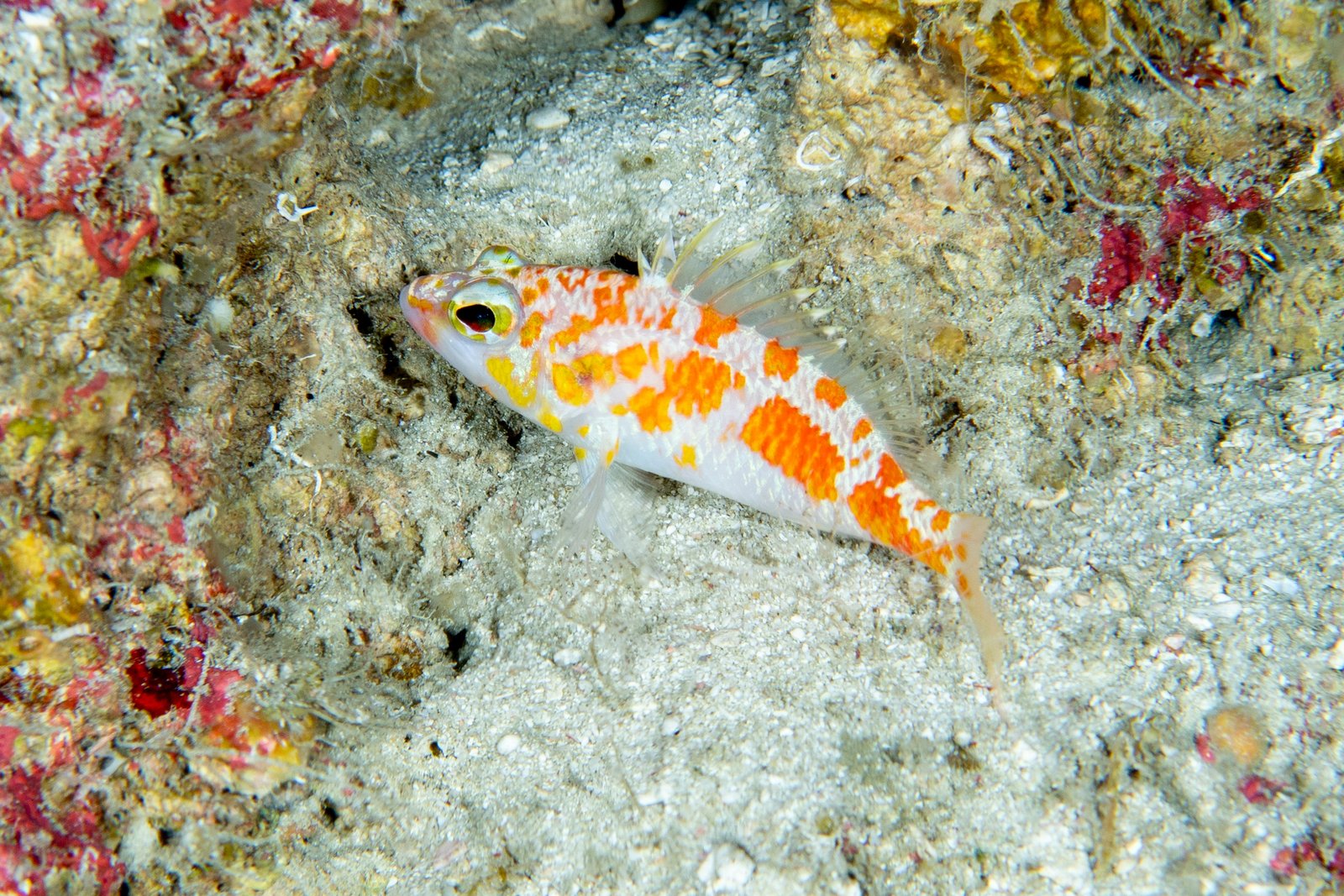
A shy fish, fuzzy plant in the sunflower family, and bird that blends in with volcanic rock were among the 72 animal, plant, and fungi species newly identified by the California Academy of Sciences in 2025. The result of a collaboration between over a dozen Academy scientists and international contributors, the list spans six continents and three oceans.
The timid fish, dubbed Plectranthias raki, was found 400 feet below the surface during an expedition to the Maldives. “Raki” means “feeling shy to confront people” in the local language, Dhivehi — and though it lived up to its name, ichthyology curator Luiz Rocha was able to spot it due to its unexpected coloring.
“Color is usually the first clue that tells us we’re looking at something new, and this fish stood out immediately,” he said in a press release. “Most Plectranthias species have bold vertical bars, but this one has distinct light red blotches instead, which made it unmistakable even in the low light of the twilight zone.”
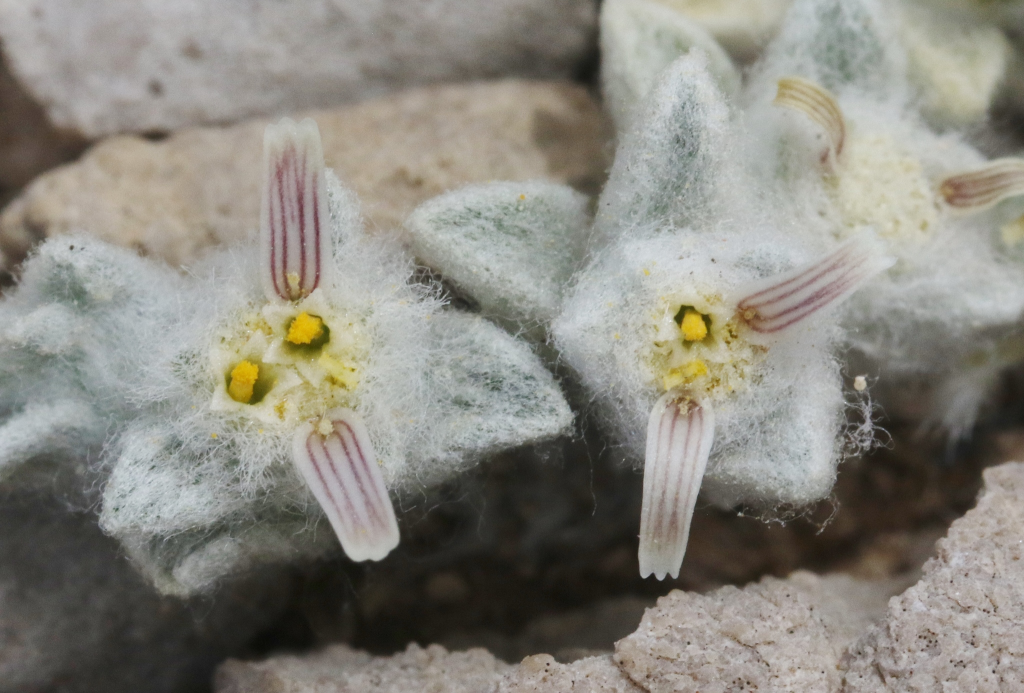
The newly described sunflower — the wooly devil (Ovicula biradiata) — marked the first discovery of not only a new species but also a new genus in a U.S. national park in nearly 50 years. Found by botany curator Isaac Lichter Marck in Texas’ Big Bend national park, it was identified with the help of the community science platform iNaturalist.
What botanists refer to as a “belly plant,” meaning “a small, discreet plant that can only be properly observed by lying on the ground,” the wildflower doesn’t resemble its sunflower relatives: It has distinctive maroon-marked florets and furry white foliage and was confirmed as belonging to the sunflower family through DNA testing. It blooms after rain, peeking out between the parks’ pale rocks.
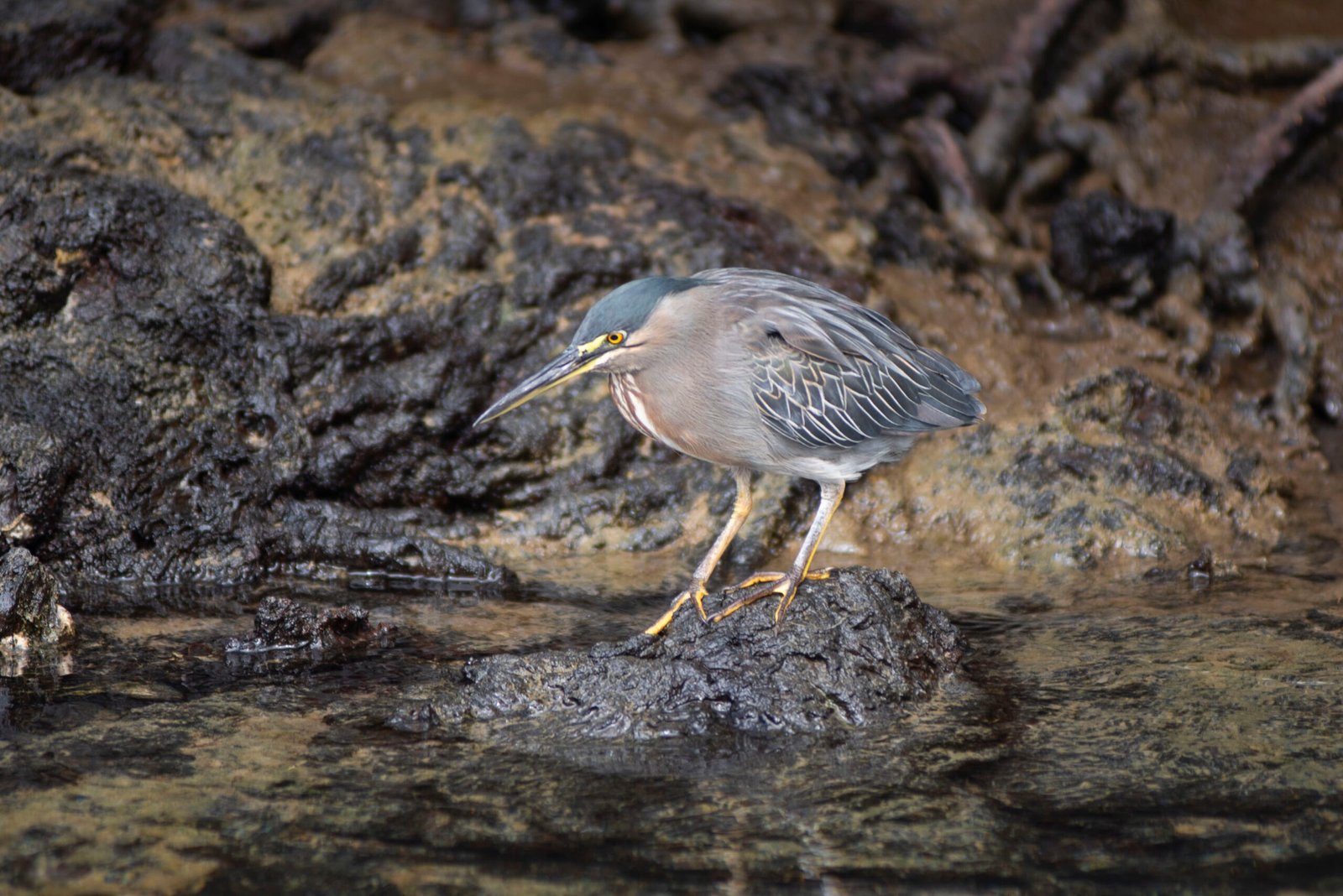
Over in the Galápagos, the formal description of a type of heron has solved a longstanding mystery. Now identified as the Galápagos lava heron (Butorides sundevalli), the bird was previously thought to be a subspecies of the South American striated heron, but genetic analysis confirmed it’s a species all its own.
“The lava heron is a common sight across the Galápagos archipelago, yet its evolutionary origins have puzzled scientists for more than a century,” explained Ezra Mendales, who authored a study on the bird. He noted that the avian’s dark gray plumage serves as camouflage against the archipelago’s volcanic rocks, adding: “While variations in color across populations have complicated its classification, it shows that evolution is still actively shaping this species to match different local habitats.”

Cyerce basi
Other species include a “stunning opalescent sea slug” (Cyerce basi) and a deepwater cardinalfish found 2,000 feet beneath the surface of the ocean off the coast of Cuba. In the latter case, the specimen studied was collected nearly 30 years ago, but was only formally described in 2025.
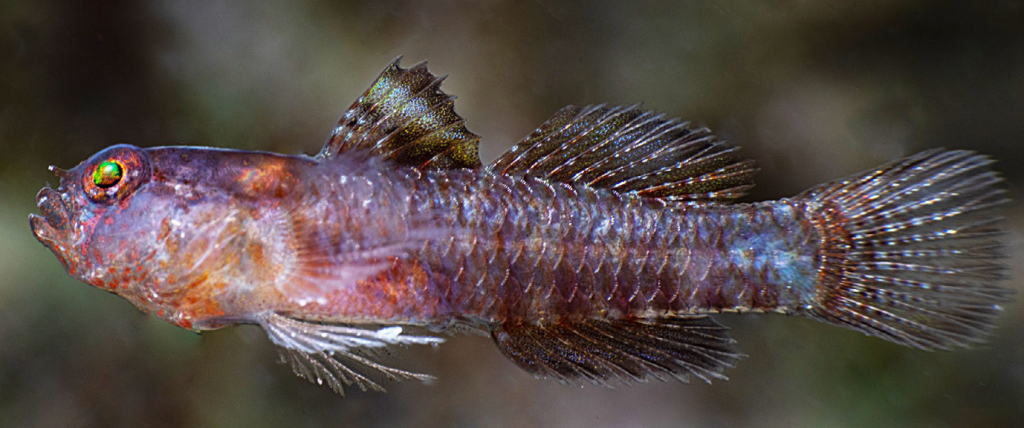
Eviota vader
Another fish on the list, a species of dwarfgoby, takes its name from Darth Vader, because it’s the darkest of its kind. The tiny Eviota vader — dwarfgobies are typically less than 1.8 centimeters long — was found in the volcanic fjords of Tufi, Papua New Guinea.
Per Chief of Science Shannon Bennett, all of the findings are significant steps forward in aiding conservation efforts. “Each newly described species adds a crucial piece to the puzzle of understanding how ecosystems function and adapt under increasing pressures,” she said. “By formally documenting new species and adding them to our scientific collections, we strengthen our ability to not only conserve what remains, but actively regenerate ecosystems in a rapidly changing world.”
RELATED: Tiny New Species of Snail With Unusual Shell Named After Picasso
The implications of this discovery extend across multiple scientific disciplines, opening new avenues for research and collaboration. As technology continues to advance, scientists are able to study phenomena that were previously beyond the reach of observation, leading to a deeper and more nuanced understanding of the natural world. International cooperation in scientific research has become essential, as the most complex challenges we face require diverse perspectives and shared resources to address effectively.
Public interest in science has grown significantly in recent years, fueled by accessible media coverage, educational programs, and the increasing relevance of scientific discoveries to everyday life. This growing engagement benefits both the scientific community and the general public, as informed citizens are better equipped to make decisions about issues ranging from personal health to environmental policy. Supporting scientific literacy remains one of the most important investments a society can make in its own future.
Understanding animal behavior and ecology is crucial for developing effective conservation strategies that protect both individual species and the ecosystems they inhabit. Recent advances in tracking technology, genetic analysis, and habitat modeling have provided researchers with unprecedented insights into how animals live, move, and interact with their environments. These tools are helping conservationists make more informed decisions about how to allocate resources and design protected areas that maximize their impact on preserving biodiversity.
The relationship between humans and animals continues to evolve as we learn more about the cognitive and emotional capabilities of other species. Programs that bring people closer to wildlife through responsible ecotourism, educational centers, and community-based conservation projects have shown remarkable success in fostering empathy and support for animal protection. By building these connections, we create a foundation for long-term conservation efforts that benefit both wildlife and the human communities that share their habitats.
Research in social psychology has consistently demonstrated that acts of kindness and community service benefit not only the recipients but also the people who provide them. Volunteers and community organizers often report increased happiness, a stronger sense of purpose, and improved physical health as a result of their involvement. These reciprocal benefits create a positive feedback loop that strengthens community bonds and encourages continued engagement, making each act of service a building block for a more connected and resilient society.
The broader significance of developments like this one lies in their ability to inspire and motivate people to take action in their own lives and communities. Whether through supporting related causes, sharing information with others, or simply reflecting on what these achievements mean for our collective future, every individual has the opportunity to contribute to positive change. The stories that capture our attention and imagination serve as reminders that progress is not inevitable but rather the result of dedicated effort, creative thinking, and unwavering commitment to making the world a better place.
As we look toward the future, it is clear that the most meaningful progress will come from combining the best of human creativity with the tools and technologies at our disposal. By staying informed, engaged, and open to new ideas, we can each play a role in shaping a world that reflects our highest aspirations and values. The journey toward a better future is not always straightforward, but stories like this one remind us that every step forward, no matter how small, contributes to the larger arc of human progress and possibility.