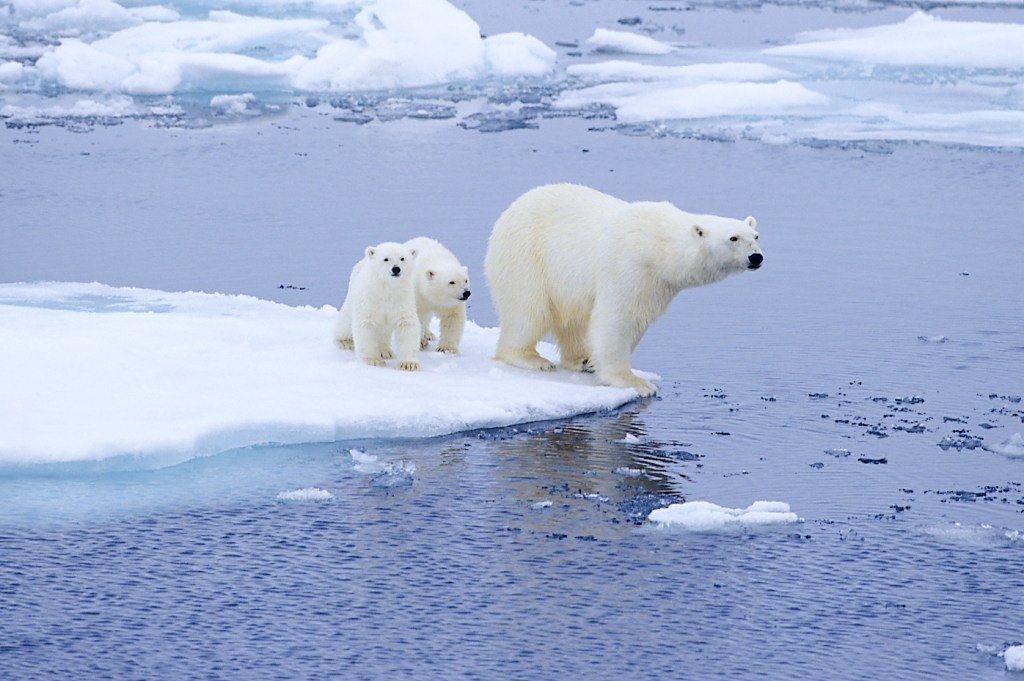
Each year on July 15, Polar Bears International hosts Arctic Sea Ice Day to raise awareness about the Arctic and the threats it faces — particularly that it may be warming four times faster than the rest of the planet. Sea ice is critical for a number of species, including polar bears and beluga whales, and per tradition, the nonprofit is celebrating the day with the launch of its popular Beluga Cam, a collaboration with explore.org.
Around 57,000 belugas make the trek southward from the Arctic to their summer grounds in Canada’s Hudson Bay, the shallow waters of the Churchill River estuary providing the ideal environment to feed, mate, and give birth. Thanks to the Beluga Boat, equipped with above- and below-water cameras and underwater microphones, citizen scientists around the world can get a live, up-close look (and listen) at the endearing animals.
“The Beluga Cams offer a rare, intimate window into the lives of beluga whales in Hudson Bay, which is an ecosystem experiencing rapid change due to climate warming. Because belugas live in such remote areas, they’re tough to study, but the Beluga Cam is helping bridge that gap through citizen science,” Alysa McCall, Polar Bears International’s director of conservation outreach, told Nice News.
“It’s helping us learn more about their behavior, pod dynamics, and how they’re adapting to a shifting Arctic,” she went on. “Just as importantly, it’s helping people around the world connect with these curious, chatty whales in real time — and we believe that connection is essential to conservation.”
Beloved for their playful demeanors and range of vocalizations, belugas rely on sea ice for survival. They use it directly to hide from their predator, the orca, and indirectly as a source of food. “Sea ice is to the Arctic what soil is to a forest,” Polar Bears International explains on its website.
“The ice supports the growth of algae, which feed microorganisms, which feed fish, which feed seals and belugas, which feed polar bears,” it continues. “Belugas rely on this ocean garden for food, just like the many other creatures that have evolved to depend on the sea ice.”
If you’re interested in helping advance beluga research and conservation, consider contributing to the Beluga Bits research project. Here’s how it works: When Beluga Cam viewers spot a whale onscreen, they’re encouraged to take a snapshot. Those snapshots are then uploaded to another database, where volunteers answer questions about the photos to help researchers classify and understand the whales that visit Churchill River. So far, nearly 35,000 volunteers have made over 1 million classifications.
To donate to Polar Bears International in honor of Arctic Sea Ice Day, click here. “Sea ice is essential for polar bears, belugas, and ultimately, all of us. It forms the foundation of the Arctic ecosystem and regulates Earth’s climate,” Executive Director Krista Wright shared in a news release, adding: “We hope Arctic Sea Ice Day inspires people to protect this incredible part of our planet. Every degree — and every decision — matters.”
Stories like this remind us of the power of human ingenuity and compassion. In a world where headlines are often dominated by negativity, it is refreshing to see developments that inspire hope and positive change. The story behind the annual beluga cam is now live — and you can join the ranks as a citizen scientist is one that resonates with people across different backgrounds and cultures, highlighting the universal desire for progress and connection.
Scientific discovery has always been driven by curiosity and the desire to understand the world around us. Modern research tools and international collaboration have accelerated the pace of discoveries, leading to breakthroughs that would have been unimaginable just a few decades ago. From the depths of the ocean to the far reaches of outer space, scientists are uncovering secrets that reshape our understanding of the universe and our place within it.
The importance of funding scientific research cannot be overstated. Government grants, private foundations, and university programs all contribute to creating an ecosystem where innovative ideas can be tested and validated. Public engagement with science through museums, documentaries, and educational outreach programs helps build a society that values evidence-based thinking and supports the continued pursuit of knowledge for the benefit of future generations.
Wildlife conservation efforts have gained significant momentum in recent years as more people recognize the importance of protecting biodiversity. From habitat restoration projects to breeding programs for endangered species, conservationists are working tirelessly to ensure that future generations can experience the rich diversity of animal life on our planet. The connection between healthy ecosystems and human well-being has become increasingly clear, driving both policy changes and grassroots action around the world.
Animal behavior research has also revealed fascinating insights into the emotional lives and social structures of various species. Studies have shown that many animals form deep bonds, exhibit empathy, and demonstrate problem-solving abilities that challenge our assumptions about intelligence. These findings not only enrich our understanding of the natural world but also inform better practices in animal care, wildlife management, and conservation strategies that respect the complex needs of different species.
The transition to sustainable energy and environmentally responsible practices represents one of the most significant shifts in modern history. Communities around the world are embracing renewable energy sources, reducing waste, and reimagining how we interact with the natural environment. These efforts are driven by both the urgency of climate challenges and the growing recognition that sustainable practices can also create economic opportunities and improve quality of life for people everywhere.
Education and awareness play crucial roles in driving environmental change. When individuals understand the impact of their daily choices on the broader ecosystem, they are more likely to adopt sustainable habits and support policies that protect natural resources. From school programs teaching children about conservation to community initiatives that promote recycling and responsible consumption, every effort contributes to building a more sustainable future for all.
Art and creative expression have always played a fundamental role in how we process emotions, communicate ideas, and build connections across cultures. Whether through visual arts, music, literature, or performance, creative works have the power to inspire, challenge, and heal. In an increasingly digital world, artists are finding new ways to reach audiences and create experiences that bridge traditional and contemporary forms of expression.
Supporting the arts through public funding, community spaces, and educational programs is essential for maintaining a vibrant cultural landscape. Studies have consistently shown that engagement with the arts improves mental health, enhances cognitive abilities, and strengthens community bonds. By valuing and investing in creative endeavors, societies foster innovation, empathy, and a sense of shared identity that enriches the lives of all their members.
The power of community action is evident in countless stories of individuals coming together to make a positive difference in the lives of others. Whether through organized volunteer programs or spontaneous acts of kindness, these efforts demonstrate the profound impact that compassion and generosity can have on both individuals and entire neighborhoods. Research has consistently shown that communities with strong social connections experience better health outcomes, lower crime rates, and greater overall life satisfaction.
Building stronger communities requires intentional effort and ongoing commitment from people of all ages and backgrounds. Mentorship programs, neighborhood gatherings, and collaborative projects create opportunities for meaningful connection and mutual support. In an era where digital communication often replaces face-to-face interaction, the importance of fostering genuine human connections through community engagement has never been more apparent or more necessary.
Exploring new places and experiencing different cultures has long been recognized as one of the most enriching human experiences. Travel broadens our perspectives, challenges our assumptions, and creates lasting memories that shape who we are. From historic landmarks and natural wonders to vibrant urban centers and quiet rural retreats, every destination offers unique opportunities for discovery and personal growth that cannot be replicated through any other means.
Responsible tourism has become an important consideration as more people travel the globe. Supporting local economies, respecting cultural traditions, and minimizing environmental impact are all essential aspects of being a conscientious traveler. Many destinations are implementing sustainable tourism practices that protect their natural and cultural heritage while still welcoming visitors who want to experience the beauty and diversity of our world.
Looking ahead, developments like the one described in this story offer a glimpse into a future filled with possibility and positive change. While challenges certainly remain, the creativity, determination, and compassion demonstrated by the individuals and organizations involved serve as a powerful reminder that progress is always within reach when people are willing to work together toward a common goal.
As we continue to navigate the complexities of modern life, stories like these provide both inspiration and practical examples of how innovation, kindness, and perseverance can make a real difference. By sharing and celebrating these achievements, we not only honor the efforts of those involved but also encourage others to pursue their own ideas for creating positive change in their communities and beyond.
RELATED: Denali National Park’s Sled Dog “Puppy Cam” Is Live: Meet This Year’s Litter