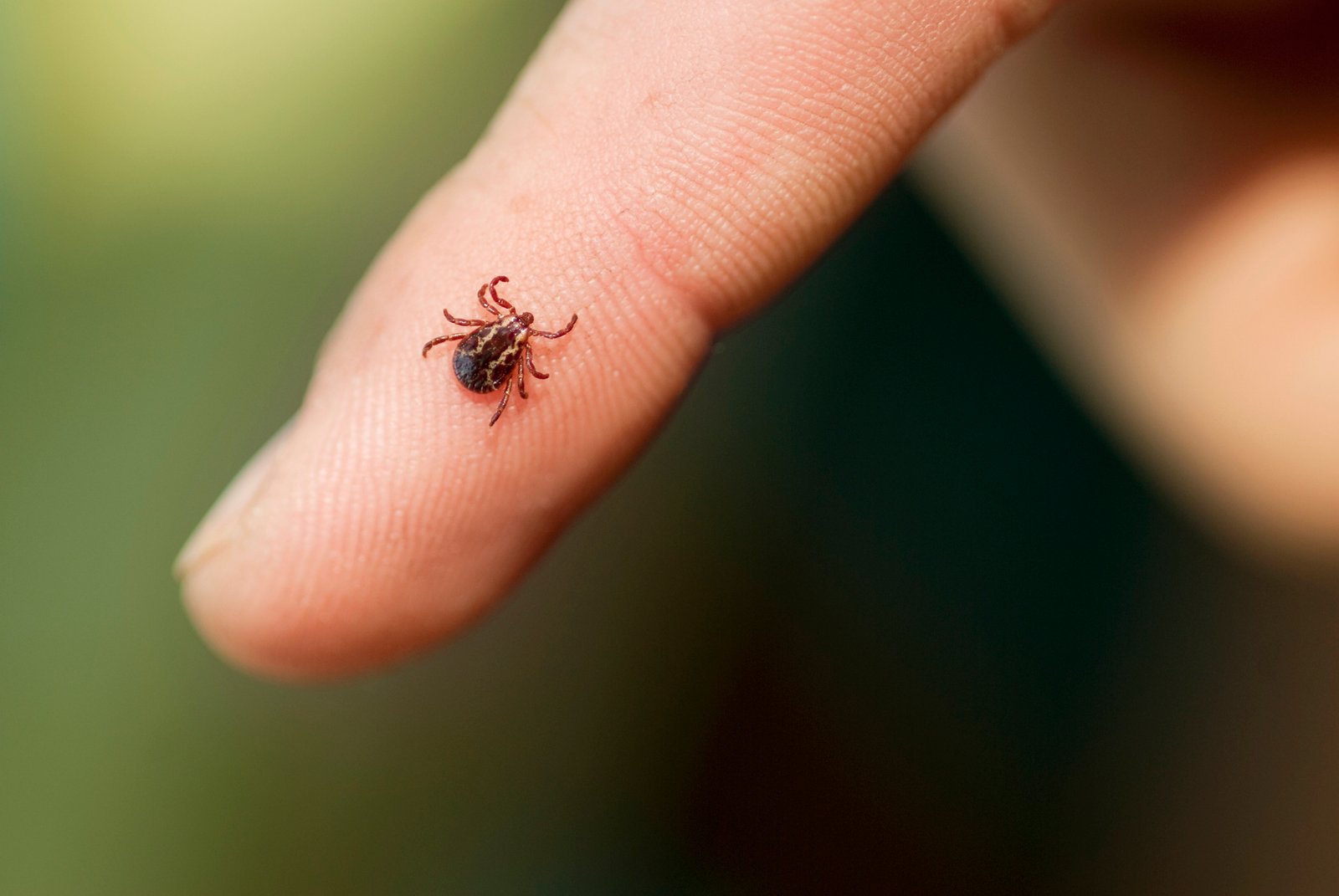
Lyme disease, tularemia, Rocky Mountain spotted fever — these are just some of the serious tick-borne diseases that affect tens of thousands of Americans every year. There is currently one vaccine for preventing tick-borne illness, but it only protects against encephalitis. Thankfully, a recent study on animal resistance may help pave the way for broader and more effective options.
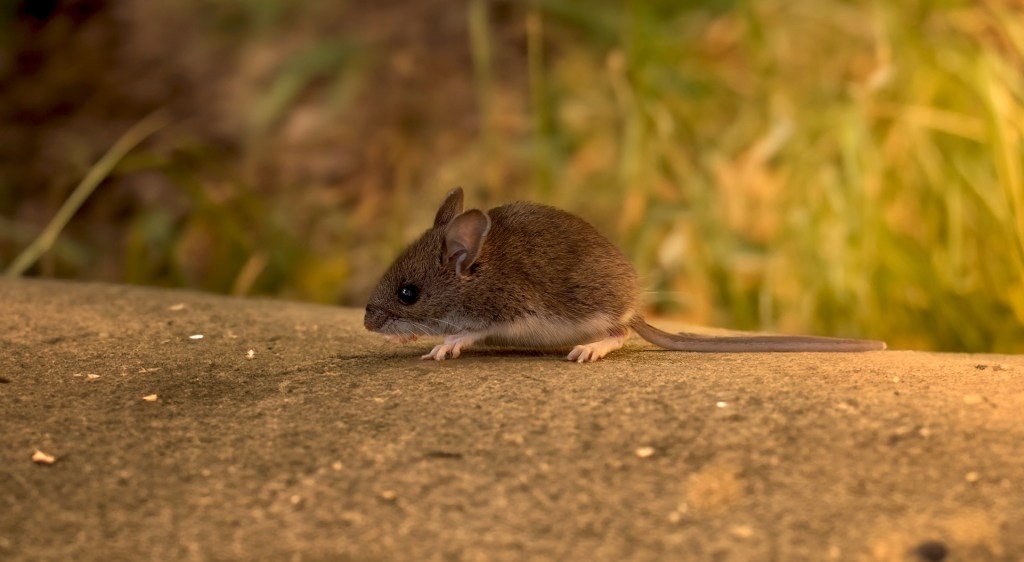
In the research, scientists from Washington State University sought the answer to the question: How do host animals react to tick bites? They found that not only did the deer mice, rabbits, and cattle they studied develop resistance to bites, but as a result, the tick population “dramatically shrank,” per a news release. Additional simulations found that population growth could be reduced by as much as 68%.
This is a crucial discovery because, as study co-author Jeb Owen explained, fewer ticks mean fewer cases of tick-borne disease. “A lot of attention goes into trying to figure out what makes tick populations increase or decrease — what makes them more abundant here and less abundant there?” he said. “If we understand those phenomena, we can try to find ways to take advantage of that to limit tick-associated problems.”
To glean this insight, he and his team tested resistance in the three aforementioned species, who are, in the wild, “natural tick hosts.” This method counters most studies related to tick vaccines, which the authors say “have remained confined to laboratory models and do not bridge the gap between lab models and tick ecology.” They released Rocky Mountain wood ticks on the three host species in different stages of the ticks’ lives: larvae, nymphs, and adults.
When comparing hosts that had been infested for the first time to a group that had also been previously infested, the researchers found that the tick population declined in each life stage in the latter. Adult female ticks produced 32% fewer larvae in the previously infested group, and 23% fewer ticks on those hosts reached adulthood. “Cumulatively, across the life cycle, the impacts are very large,” Owen said.
More research is needed to determine exactly what this means for humans, but there’s hope that the creatures’ immune responses could be replicated to further vaccine development. In the paper, the authors noted: “As we better understand acquired resistance in natural tick-host interactions, we will develop a more robust understanding of tick-borne pathogen transmission and identify opportunities for disease mitigation with vaccine technology.”
Tips for Tick Season
Welcome to tick season! (Sorry.) According to the CDC, April to September is prime time for the bite-happy bugs. But in all seriousness, while we wait for better vaccines, there are tangible steps you can take to prevent you and your loved ones — including your furry friends — from getting bitten. Here are a few to get you started:
- Cover your skin: When engaging in an outdoor activity like hiking, wear long-sleeved shirts and long pants, ideally in light colors so you can see ticks more easily. And the Cleveland Clinic recommends tucking your pants into your shoes so the parasites can’t access your ankles. An additional step: Treat your clothes with an insect repellent or a 0.5% permethrin solution, which targets arthropods (like ticks).
- Avoid ticks altogether: The best way to prevent a tick bite? Staying away from the little buggers as much as possible. When outdoors, avoid wooded or grassy areas, and hike in the center of trails.
- Prep your pups: Since there is only one canine vaccine for tick bites, which protects against lyme disease, make sure to use a preventative product on your pooches. For cats and other pets, consult your vet for the best course of action.
- Check the whole fam: Once you come back indoors, check clothing, bags, pets, and your bodies (these are 10 of ticks’ favorite hiding spots on humans). If you find any ticks, remove them immediately (here’s how). Wash any clothes that carried the ticks — throwing them in the dryer on “hot” for at least 15 minutes will kill any that remain.
- Keep ticks out of your yard: Sure, it sounds doable to conduct thorough checks each time you return from a hike, but it’s less than ideal to have to do so each time you come in from your backyard. Mowing your lawn regularly, using pesticides, and removing leaf litter can all help prevent the arthropods from roaming free.

RELATED: Planning for Spring’s Garden? Bees Like Variety and Don’t Care About Your Neighbors’ Yards
Experts in the field have noted that discoveries like this one are part of a broader trend toward more personalized and preventive healthcare. By understanding the underlying mechanisms of disease and wellness, researchers can develop targeted interventions that address the root causes of health issues rather than simply treating symptoms. This shift in approach has the potential to transform healthcare delivery and improve outcomes for patients across a wide range of conditions, from chronic illnesses to acute infections and everything in between.
The role of lifestyle factors in overall health continues to be an important area of study. Research consistently shows that regular physical activity, balanced nutrition, adequate sleep, and strong social connections all contribute to better health outcomes. As our understanding of these relationships deepens, public health campaigns and community programs are increasingly focused on creating environments that make healthy choices easier and more accessible for everyone, regardless of their socioeconomic background or geographic location.
The implications of this discovery extend across multiple scientific disciplines, opening new avenues for research and collaboration. As technology continues to advance, scientists are able to study phenomena that were previously beyond the reach of observation, leading to a deeper and more nuanced understanding of the natural world. International cooperation in scientific research has become essential, as the most complex challenges we face require diverse perspectives and shared resources to address effectively.
Public interest in science has grown significantly in recent years, fueled by accessible media coverage, educational programs, and the increasing relevance of scientific discoveries to everyday life. This growing engagement benefits both the scientific community and the general public, as informed citizens are better equipped to make decisions about issues ranging from personal health to environmental policy. Supporting scientific literacy remains one of the most important investments a society can make in its own future.
Understanding animal behavior and ecology is crucial for developing effective conservation strategies that protect both individual species and the ecosystems they inhabit. Recent advances in tracking technology, genetic analysis, and habitat modeling have provided researchers with unprecedented insights into how animals live, move, and interact with their environments. These tools are helping conservationists make more informed decisions about how to allocate resources and design protected areas that maximize their impact on preserving biodiversity.
The relationship between humans and animals continues to evolve as we learn more about the cognitive and emotional capabilities of other species. Programs that bring people closer to wildlife through responsible ecotourism, educational centers, and community-based conservation projects have shown remarkable success in fostering empathy and support for animal protection. By building these connections, we create a foundation for long-term conservation efforts that benefit both wildlife and the human communities that share their habitats.
Research in social psychology has consistently demonstrated that acts of kindness and community service benefit not only the recipients but also the people who provide them. Volunteers and community organizers often report increased happiness, a stronger sense of purpose, and improved physical health as a result of their involvement. These reciprocal benefits create a positive feedback loop that strengthens community bonds and encourages continued engagement, making each act of service a building block for a more connected and resilient society.
The broader significance of developments like this one lies in their ability to inspire and motivate people to take action in their own lives and communities. Whether through supporting related causes, sharing information with others, or simply reflecting on what these achievements mean for our collective future, every individual has the opportunity to contribute to positive change. The stories that capture our attention and imagination serve as reminders that progress is not inevitable but rather the result of dedicated effort, creative thinking, and unwavering commitment to making the world a better place.
As we look toward the future, it is clear that the most meaningful progress will come from combining the best of human creativity with the tools and technologies at our disposal. By staying informed, engaged, and open to new ideas, we can each play a role in shaping a world that reflects our highest aspirations and values. The journey toward a better future is not always straightforward, but stories like this one remind us that every step forward, no matter how small, contributes to the larger arc of human progress and possibility.