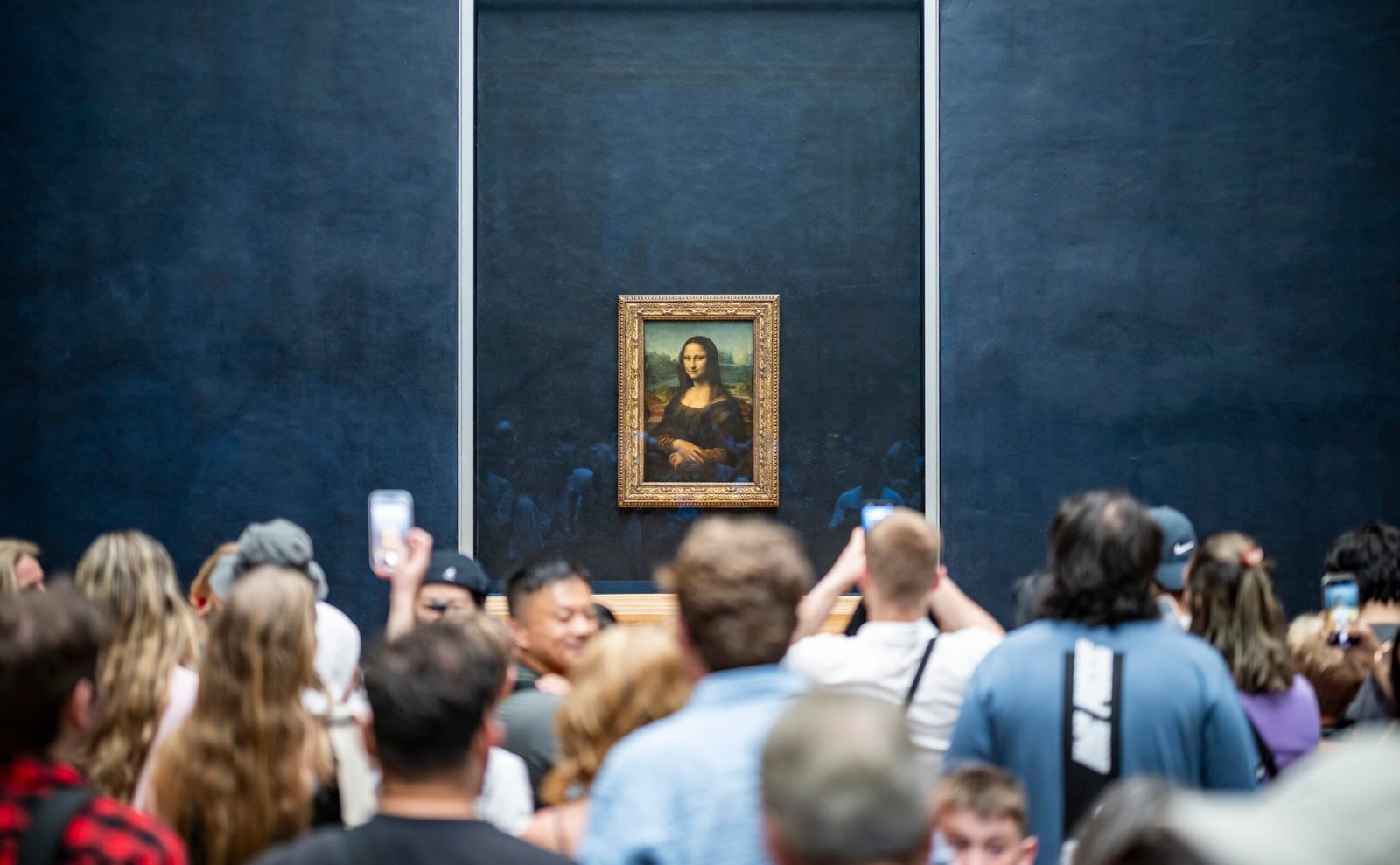
You may have seen the pictures: crowds of people standing on their tippy toes and contorting their bodies with phones held up high, all to get a glimpse and probably a photo of Leonardo da Vinci’s “Mona Lisa.”
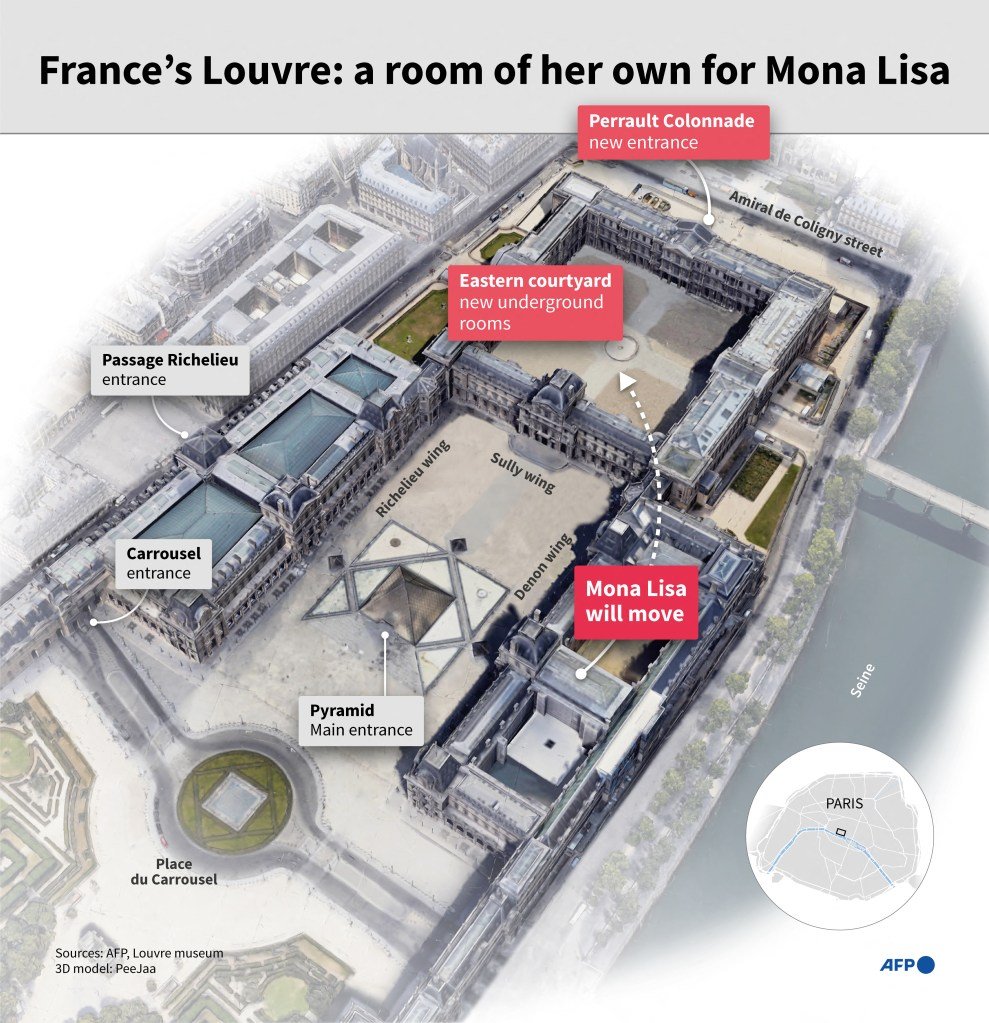
While efforts have been made to control the chaos, it seems the scene has reached a tipping point — so much so that the famous painting is now getting a dedicated room at Paris’ Louvre museum. Once the change has gone into effect, visitors will need to purchase a separate ticket and access a different entrance to see the painting.
“The Louvre will be redesigned and restored to become the epicenter of art history for our country and beyond,” French President Emmanuel Macron announced Tuesday, per The New York Times.
The room revamp is part of a bigger museum renovation and expansion plan, which includes overhauling aging infrastructure and creating the new entrance to alleviate overcrowding. All of the above will be partly paid for by increasing ticket prices for visitors from countries outside the European Union starting next year. The entire venture, dubbed the “New Renaissance” project, is projected to cost up to $830 million, AFP reports.
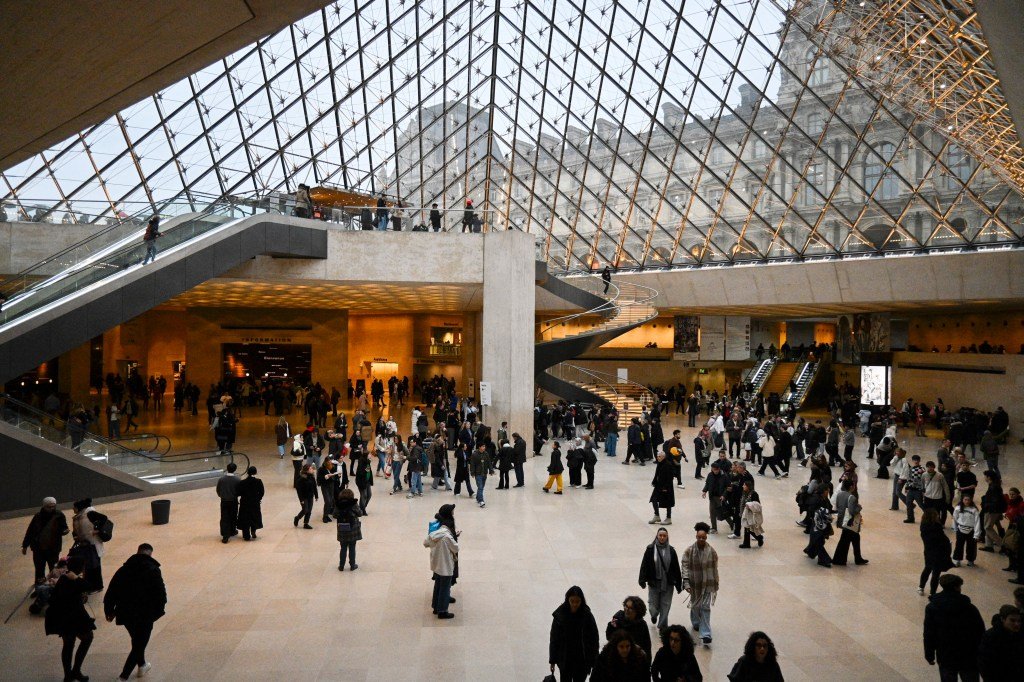
Macron also announced France’s plans to launch an “international architecture competition” in early 2025 for the designs of the new structures, with the winners selected by the end of the year to have the transformation completed by 2031.
While the iconic painting is currently drawing in almost 9 million annual visitors, Macron aims to increase that number to 12 million. As it stands now, the Louvre is forced to restrict attendance to 30,000 people per day — 80% of whom are there to view the Mona Lisa, per the Times. Most of those visitors enter through the museum’s glass and steel pyramid, which was intended to welcome only 4 million a year. The upcoming renovations should disperse some of that number to the new entrance.
Part of the motivation for the revamp is concern over the building’s current conditions. A memo from Louvre director Laurence des Cars to the French Minister of Culture, Rachida Dati, warned that some areas of the museum “are no longer watertight, while others experience significant temperature variations, endangering the preservation of artworks,” newspaper Le Parisian revealed. It also noted that the hordes of visitors are creating a “physical strain” on the structure.
“Each day this very room is the scene of intense agitation,” des Cars said in a speech before Macron’s on Tuesday, referencing many visitors’ frustration as they crowd in to see the artwork. She added: “The Louvre’s exceptional visitor numbers are not a curse, they’re a source of pride. It’s also a challenge to reinvent ourselves and remain faithful to our public service mission.”
But beyond improving the experience, this venture is steeped in legacy-making, as Macron will close out his term in 2027 and wants to do so on a high note. “He started his presidency at the Louvre, and he wants to end it at the Louvre,” said Julien Lacaze, the president of Sites et Monuments, referencing Macron’s 2017 victory speech in front of the museum.
Stories like this remind us of the power of human ingenuity and compassion. In a world where headlines are often dominated by negativity, it is refreshing to see developments that inspire hope and positive change. The story behind “mona lisa” is getting a room of her own at the louvre is one that resonates with people across different backgrounds and cultures, highlighting the universal desire for progress and connection.
Wildlife conservation efforts have gained significant momentum in recent years as more people recognize the importance of protecting biodiversity. From habitat restoration projects to breeding programs for endangered species, conservationists are working tirelessly to ensure that future generations can experience the rich diversity of animal life on our planet. The connection between healthy ecosystems and human well-being has become increasingly clear, driving both policy changes and grassroots action around the world.
Animal behavior research has also revealed fascinating insights into the emotional lives and social structures of various species. Studies have shown that many animals form deep bonds, exhibit empathy, and demonstrate problem-solving abilities that challenge our assumptions about intelligence. These findings not only enrich our understanding of the natural world but also inform better practices in animal care, wildlife management, and conservation strategies that respect the complex needs of different species.
Art and creative expression have always played a fundamental role in how we process emotions, communicate ideas, and build connections across cultures. Whether through visual arts, music, literature, or performance, creative works have the power to inspire, challenge, and heal. In an increasingly digital world, artists are finding new ways to reach audiences and create experiences that bridge traditional and contemporary forms of expression.
Supporting the arts through public funding, community spaces, and educational programs is essential for maintaining a vibrant cultural landscape. Studies have consistently shown that engagement with the arts improves mental health, enhances cognitive abilities, and strengthens community bonds. By valuing and investing in creative endeavors, societies foster innovation, empathy, and a sense of shared identity that enriches the lives of all their members.
Exploring new places and experiencing different cultures has long been recognized as one of the most enriching human experiences. Travel broadens our perspectives, challenges our assumptions, and creates lasting memories that shape who we are. From historic landmarks and natural wonders to vibrant urban centers and quiet rural retreats, every destination offers unique opportunities for discovery and personal growth that cannot be replicated through any other means.
Responsible tourism has become an important consideration as more people travel the globe. Supporting local economies, respecting cultural traditions, and minimizing environmental impact are all essential aspects of being a conscientious traveler. Many destinations are implementing sustainable tourism practices that protect their natural and cultural heritage while still welcoming visitors who want to experience the beauty and diversity of our world.
Looking ahead, developments like the one described in this story offer a glimpse into a future filled with possibility and positive change. While challenges certainly remain, the creativity, determination, and compassion demonstrated by the individuals and organizations involved serve as a powerful reminder that progress is always within reach when people are willing to work together toward a common goal.
As we continue to navigate the complexities of modern life, stories like these provide both inspiration and practical examples of how innovation, kindness, and perseverance can make a real difference. By sharing and celebrating these achievements, we not only honor the efforts of those involved but also encourage others to pursue their own ideas for creating positive change in their communities and beyond.
RELATED: With Eye-Popping Street Installations, French Artist JR Seeks to Unite People Across Divides