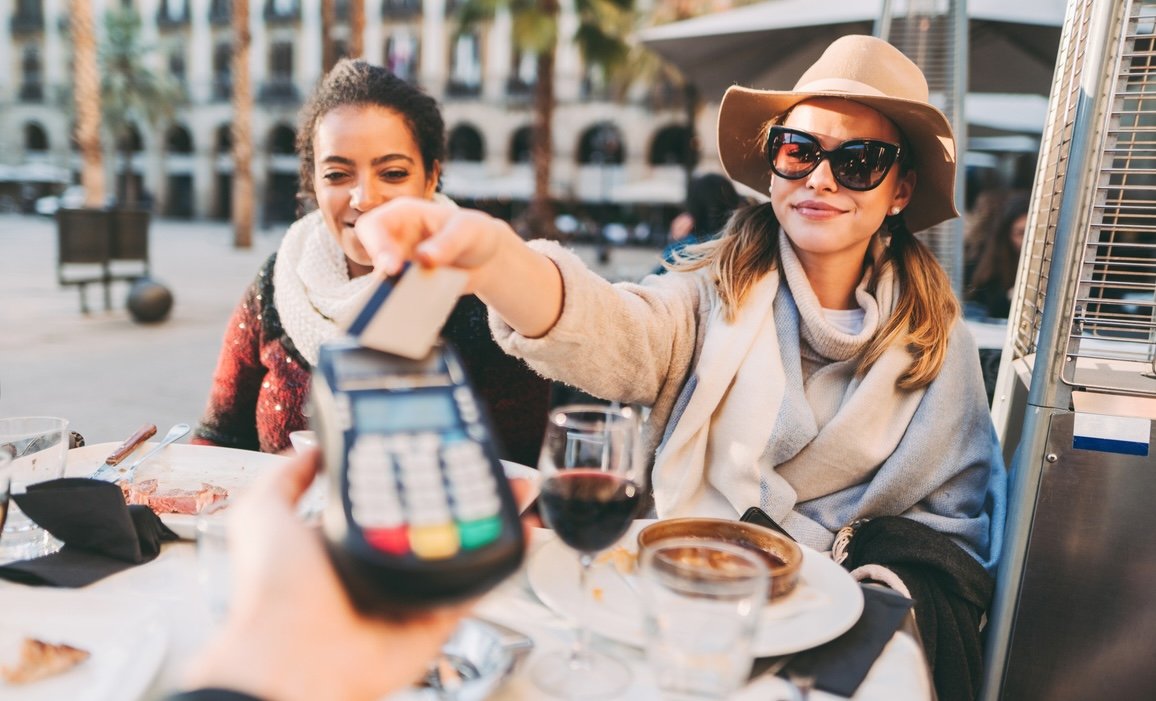
When the “no-buy” trend blew up on TikTok in 2024, many participants found it hard to stick to. That’s not much of a surprise, as the challenge involves completely abstaining from spending money on non-essential items, typically for an entire year. But in 2025, a new iteration has emerged — one that’s much more manageable and may even have an emotional impact to boot.
Called the “low-buy” challenge, the idea is that you can cut back on spending by making a list of rules to stick to for a set time period. The number of rules, and their content, is completely up to you, meaning you can create a method that works for your budget and lifestyle, and that you’re most likely to adhere to.
@miarosemcgrath My low buy year in 2025, to help on my journey to £100k #personalfinance #budgeting #slowfashion #mindfulconsumption
“Unlike a no-buy year where you literally can’t buy anything non-essential, a low-buy year is slightly less strict, and I think it’s more achievable for most people,” TikToker Mia McGrath explained in a video. She pledged to follow “Project Pan” in 2025, where you “try to use up every single product to its last drop,” and to look for most items secondhand before buying them new.
Aside from the obvious benefits to your wallet, the low-buy method may also boost your mental health. Evidence suggests that taking charge of your finances can positively impact your state of mind. One study found that clients of a financial firm who reported a higher level of financial well-being were less stressed and more motivated to manage their money, had better relationships with their family members, and were overall physically and mentally healthier.
“Additional money adds up in terms of health and longevity,” Peter Muennig, professor of health policy and management at the Columbia University Mailman School of Public Health, told Columbia University Irving Medical Center. “If you’re financially secure with a retirement account that’s doing well, you will probably feel more comfortable shopping at a ‘natural foods’ supermarket, and you might not take a side job or work overtime, leaving more time for exercise. Less stress, a good diet, and exercise means that you will likely age more slowly than you otherwise would have.”

And yet, completely cutting out non-essential items can be pretty tough, meaning you may be more likely to abandon the no-buy challenge altogether. Plus, while saving money is important, so is your happiness — and forgoing all social outings or fun experiences that require dishing out a little dough may not work for everyone.
That’s where the low-buy trend comes in. TikToker Jubilee Dawn, for instance, isn’t cutting out gift-giving completely, but is instead only giving “reasonable gifts” in 2025, allowing her to still participate in the act. “I’m not going to go over the top. I love my friends and family, but I am the type of person who will drop a lot of money on a birthday, when I’m sure that they would be happy with something half as much as I typically give them,” she said in a video.
Dawn is also implementing a reward system, where she’ll allow herself small purchases at the end of the month if she sticks to her budget. Little treats like these are a great way to take advantage of the low-buy challenge’s flexibility because, according to happiness expert Gretchen Rubin, they can actually help us build good habits.
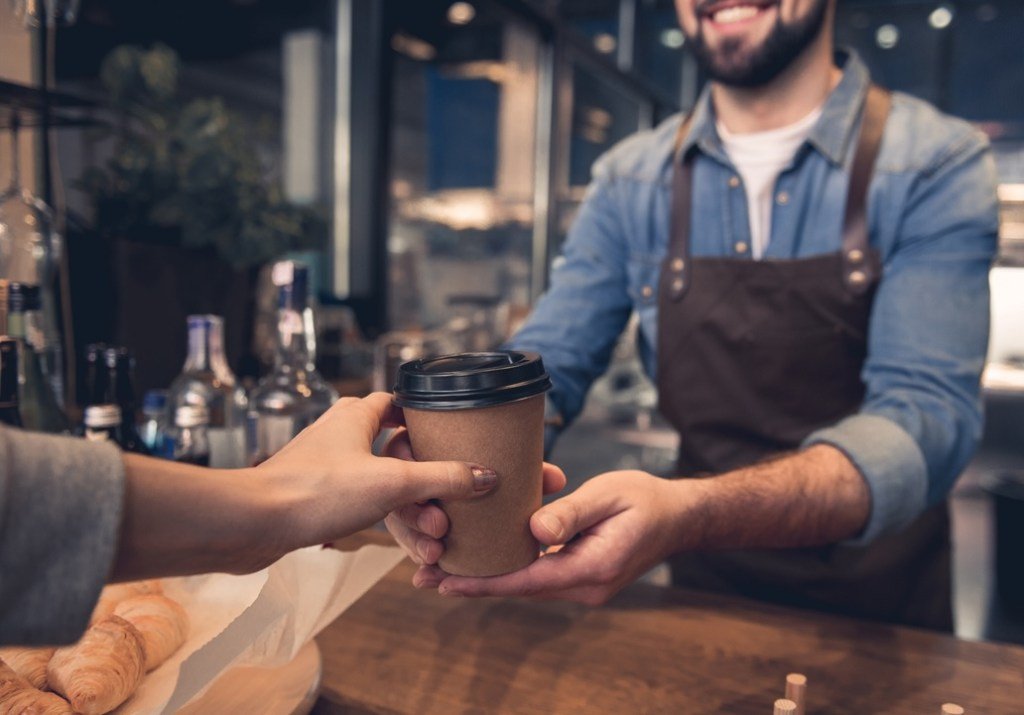
“When we give ourselves treats, we feel energized, cared for, and contented, which boosts our self-command — and self-command helps us maintain our healthy habits,” Rubin wrote for PsychCentral.
So while cutting back on spending is often a necessary way to boost your finances, the low-buy challenge gives you the freedom to do it your way. If you need inspiration, follow these tips to craft your perfect rules list.
Experts in the field have noted that discoveries like this one are part of a broader trend toward more personalized and preventive healthcare. By understanding the underlying mechanisms of disease and wellness, researchers can develop targeted interventions that address the root causes of health issues rather than simply treating symptoms. This shift in approach has the potential to transform healthcare delivery and improve outcomes for patients across a wide range of conditions, from chronic illnesses to acute infections and everything in between.
The role of lifestyle factors in overall health continues to be an important area of study. Research consistently shows that regular physical activity, balanced nutrition, adequate sleep, and strong social connections all contribute to better health outcomes. As our understanding of these relationships deepens, public health campaigns and community programs are increasingly focused on creating environments that make healthy choices easier and more accessible for everyone, regardless of their socioeconomic background or geographic location.
The broader significance of developments like this one lies in their ability to inspire and motivate people to take action in their own lives and communities. Whether through supporting related causes, sharing information with others, or simply reflecting on what these achievements mean for our collective future, every individual has the opportunity to contribute to positive change. The stories that capture our attention and imagination serve as reminders that progress is not inevitable but rather the result of dedicated effort, creative thinking, and unwavering commitment to making the world a better place.
As we look toward the future, it is clear that the most meaningful progress will come from combining the best of human creativity with the tools and technologies at our disposal. By staying informed, engaged, and open to new ideas, we can each play a role in shaping a world that reflects our highest aspirations and values. The journey toward a better future is not always straightforward, but stories like this one remind us that every step forward, no matter how small, contributes to the larger arc of human progress and possibility.
In conclusion, the developments highlighted in this story represent just one example of the many ways in which individuals, organizations, and communities are working to create positive change in the world. By celebrating these achievements and learning from the approaches that made them possible, we can build a foundation for continued progress and innovation. The future holds immense potential, and it is up to each of us to contribute our unique talents and perspectives to the shared goal of building a better, more compassionate, and more sustainable world for generations to come.