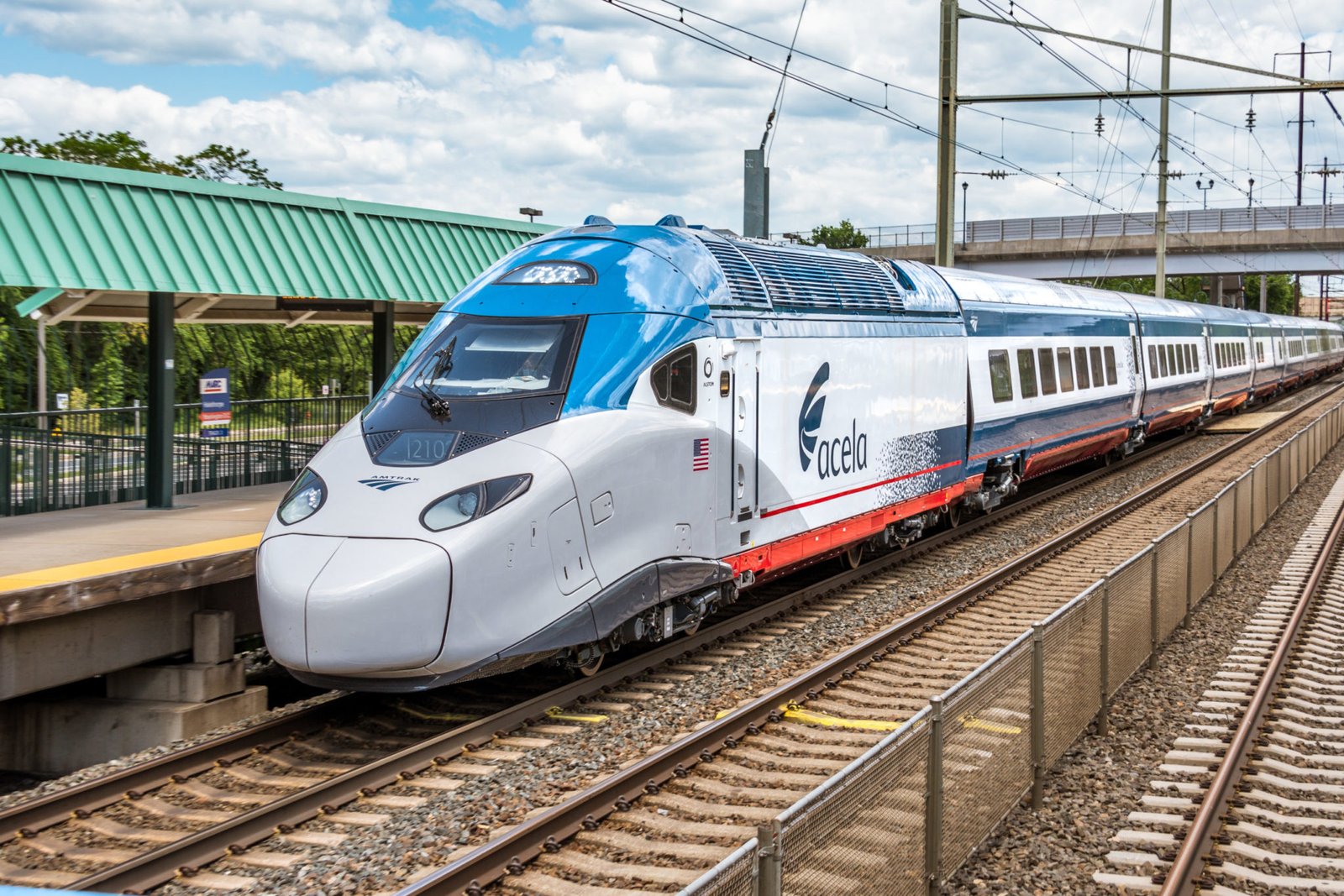
In the U.S., Amtrak is practically synonymous with long-distance trains, the way Kleenex is with tissues and Tupperware with food storage containers. There’s good reason for Amtrak’s popularity: Not only is it the country’s sole high-speed rail operator, but it deploys over 300 trains every day in 46 states.
But now it’s expanding its services even further — and enhancing rider experience, reducing greenhouse gas emissions, and generating jobs in the process. The company is debuting NextGen Acela in the spring of 2025: a fleet of 28 next-generation high-speed electric trains coming to the Northeast Corridor tracks, the busiest in the nation.
“Amtrak is taking the necessary actions to keep our customers, the Northeast region, and the American economy moving forward,” President and CEO Joe Boardman said in a 2016 news release announcing the investment in the fleet. “These trainsets and the modernization and improvement of infrastructure will provide our customers with the mobility and experience of the future.”
Amtrak
The much-anticipated new arrivals are set to replace Amtrak’s current Acela fleet and had an initial launch date of 2021. But the $2.45 billion project is finally coming to fruition after being derailed (figuratively) multiple times, and it promises to be worth the wait. “This investment will pay immediate dividends for businesses and travelers from Washington D.C., to Boston, and the fact that these new trains will be built in upstate New York makes this project a win-win. … I can’t wait for my first ride,” said Sen. Charles Schumer.
Commuters will benefit from shorter trips, as the new trains can max out at 160 mph instead of the current 150, and a more comfortable experience, thanks to ample leg room and winged headrests for privacy. Riders will have access to personal outlets and USB ports for charging, as well as free Wi-Fi. And last-minute travelers may be more likely to find a seat, as the total capacity will increase by almost 70%.

Plus, the novel fleet is helping the planet as much as it is the individual rider. The new seats are made out of recycled leather, and the cars will offer a sustainable food and beverage program. Most importantly, the trains will cut energy consumption by at least 20%.
Per Amtrak, the project has led to a wealth of employment opportunities. Ninety-five percent of the trains’ parts are made in the U.S., creating over 1,300 new jobs in more than 90 cities. This is due in part to the Infrastructure Investment and Jobs Act, passed in 2021. The bill allotted Amtrak $22 billion over five years, some of which went toward modernizing the electric fleet.
Stories like this remind us of the power of human ingenuity and compassion. In a world where headlines are often dominated by negativity, it is refreshing to see developments that inspire hope and positive change. The story behind amtrak set to debut country’s new high-speed electric trains in spring 2025 is one that resonates with people across different backgrounds and cultures, highlighting the universal desire for progress and connection.
Scientific discovery has always been driven by curiosity and the desire to understand the world around us. Modern research tools and international collaboration have accelerated the pace of discoveries, leading to breakthroughs that would have been unimaginable just a few decades ago. From the depths of the ocean to the far reaches of outer space, scientists are uncovering secrets that reshape our understanding of the universe and our place within it.
The importance of funding scientific research cannot be overstated. Government grants, private foundations, and university programs all contribute to creating an ecosystem where innovative ideas can be tested and validated. Public engagement with science through museums, documentaries, and educational outreach programs helps build a society that values evidence-based thinking and supports the continued pursuit of knowledge for the benefit of future generations.
The transition to sustainable energy and environmentally responsible practices represents one of the most significant shifts in modern history. Communities around the world are embracing renewable energy sources, reducing waste, and reimagining how we interact with the natural environment. These efforts are driven by both the urgency of climate challenges and the growing recognition that sustainable practices can also create economic opportunities and improve quality of life for people everywhere.
Education and awareness play crucial roles in driving environmental change. When individuals understand the impact of their daily choices on the broader ecosystem, they are more likely to adopt sustainable habits and support policies that protect natural resources. From school programs teaching children about conservation to community initiatives that promote recycling and responsible consumption, every effort contributes to building a more sustainable future for all.
Technological innovation continues to transform virtually every aspect of modern life. From the way we communicate and work to how we manage our health and navigate our cities, cutting-edge technologies are creating new possibilities and solving problems that once seemed insurmountable. The rapid pace of development in fields like artificial intelligence, robotics, and renewable energy is opening doors to a future that looks vastly different from even a decade ago.
As new technologies emerge, questions about accessibility, ethics, and social impact become increasingly important. Ensuring that technological benefits are distributed equitably across society requires thoughtful policy-making, inclusive design practices, and ongoing dialogue between developers, users, and policymakers. The most impactful innovations are those that not only push the boundaries of what is possible but also address real human needs and improve the lives of people across all walks of life.
Art and creative expression have always played a fundamental role in how we process emotions, communicate ideas, and build connections across cultures. Whether through visual arts, music, literature, or performance, creative works have the power to inspire, challenge, and heal. In an increasingly digital world, artists are finding new ways to reach audiences and create experiences that bridge traditional and contemporary forms of expression.
Supporting the arts through public funding, community spaces, and educational programs is essential for maintaining a vibrant cultural landscape. Studies have consistently shown that engagement with the arts improves mental health, enhances cognitive abilities, and strengthens community bonds. By valuing and investing in creative endeavors, societies foster innovation, empathy, and a sense of shared identity that enriches the lives of all their members.
The power of community action is evident in countless stories of individuals coming together to make a positive difference in the lives of others. Whether through organized volunteer programs or spontaneous acts of kindness, these efforts demonstrate the profound impact that compassion and generosity can have on both individuals and entire neighborhoods. Research has consistently shown that communities with strong social connections experience better health outcomes, lower crime rates, and greater overall life satisfaction.
Building stronger communities requires intentional effort and ongoing commitment from people of all ages and backgrounds. Mentorship programs, neighborhood gatherings, and collaborative projects create opportunities for meaningful connection and mutual support. In an era where digital communication often replaces face-to-face interaction, the importance of fostering genuine human connections through community engagement has never been more apparent or more necessary.
Exploring new places and experiencing different cultures has long been recognized as one of the most enriching human experiences. Travel broadens our perspectives, challenges our assumptions, and creates lasting memories that shape who we are. From historic landmarks and natural wonders to vibrant urban centers and quiet rural retreats, every destination offers unique opportunities for discovery and personal growth that cannot be replicated through any other means.
Responsible tourism has become an important consideration as more people travel the globe. Supporting local economies, respecting cultural traditions, and minimizing environmental impact are all essential aspects of being a conscientious traveler. Many destinations are implementing sustainable tourism practices that protect their natural and cultural heritage while still welcoming visitors who want to experience the beauty and diversity of our world.
Looking ahead, developments like the one described in this story offer a glimpse into a future filled with possibility and positive change. While challenges certainly remain, the creativity, determination, and compassion demonstrated by the individuals and organizations involved serve as a powerful reminder that progress is always within reach when people are willing to work together toward a common goal.
As we continue to navigate the complexities of modern life, stories like these provide both inspiration and practical examples of how innovation, kindness, and perseverance can make a real difference. By sharing and celebrating these achievements, we not only honor the efforts of those involved but also encourage others to pursue their own ideas for creating positive change in their communities and beyond.
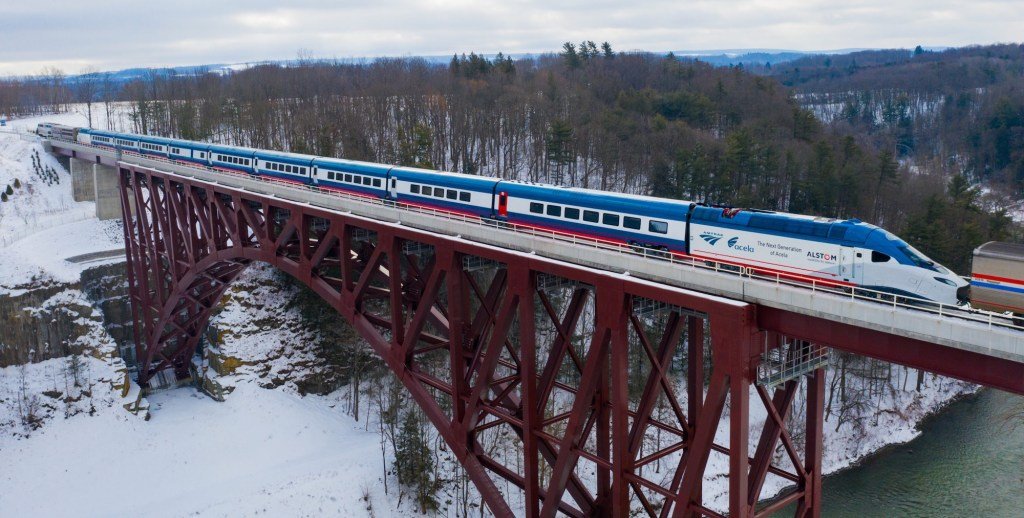
By enhancing the 594,000 train trips made in the Northeast Corridor each week, the trainsets will provide increased support for a workforce that contributes an annual $50 billion to the national gross domestic product, in turn potentially boosting the economy as a whole. “Strengthening our nation’s infrastructure is essential to the economic growth of our region and the nation and this investment by Amtrak will help ensure the reliable service travelers expect,” said Sen. Cory Booker.