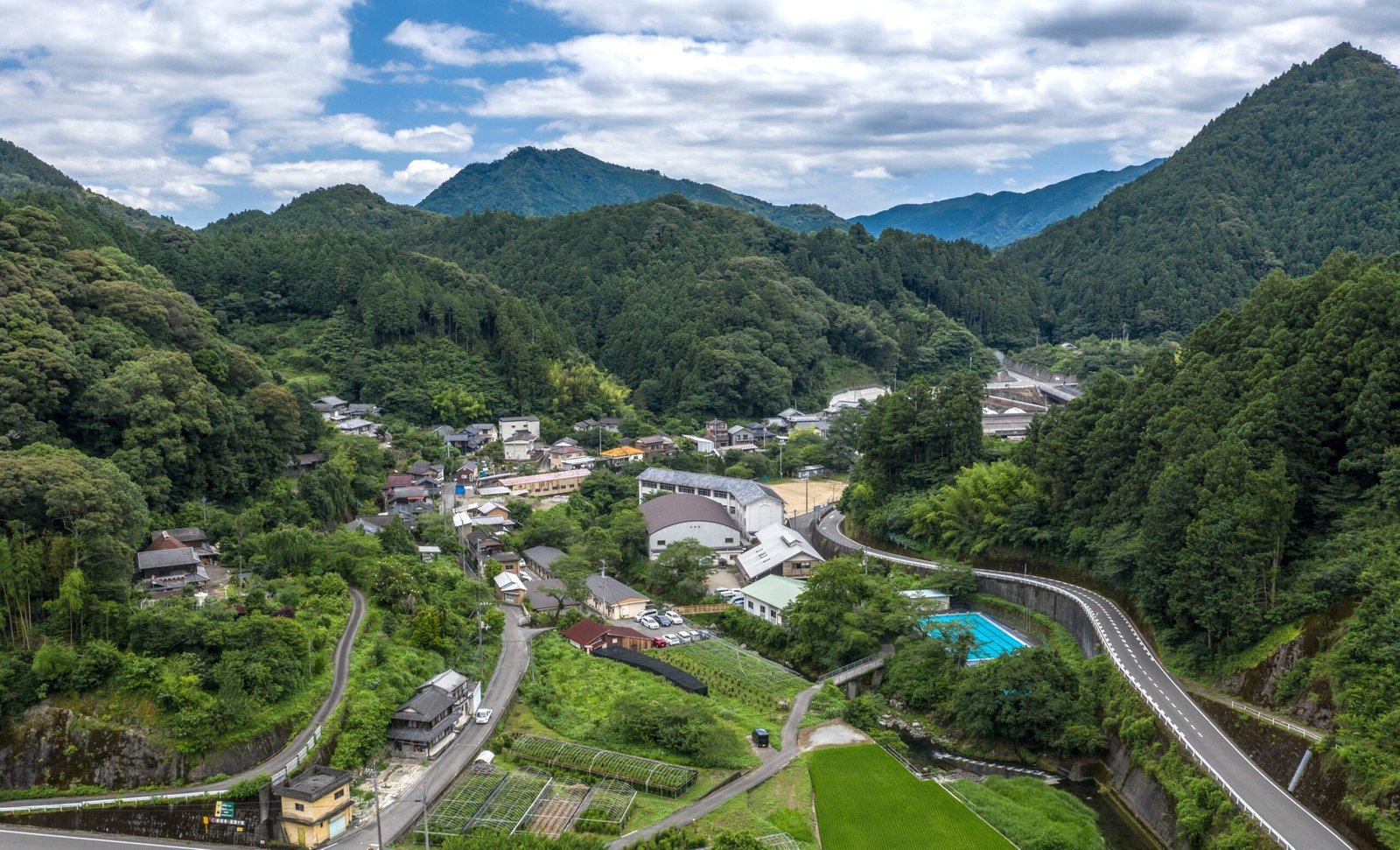
Nestled in the lush landscape of Japan’s Shikoku island, the small town of Kamikatsu is in the process of achieving a tremendous feat: becoming the nation’s first zero-waste municipality.
“Our goal is to develop a town with abundant natural beauty and make it a place where everyone feels happy and can fulfill their respective dreams,” reads Kamikatsu’s Town Hall Planning and Environment Division website.
With a population of around 1,500, the village is dedicated to “thinking about the future of the living environment for our children as one’s own responsibility and fostering people who can take action,” the site continues.
Kamikatsu officially committed to a zero-waste future in 2003, but its eco-conscious transformation actually began with a series of small but significant steps in the 1990s, spurred by concerns about pollution’s health and environmental impacts.
“Kamikatsu is a rural area. People used to burn their household garbage at home or dump it in nature,” Akira Sakano, founder of Zero Waste Japan, an organization that helps governments, businesses, and communities implement zero-waste policies, previously told Great Big Story. That practice resulted not only in plumes of foul-smelling black smoke over the town, but also carbon emissions that harmed surrounding nature.
In 1991, the town launched its first refuse reduction initiative, targeting kitchen waste, a major component of burnable waste in Japan. Three years later, it established a formal recycling plan, and in 1997 created a station for sorting recyclable garbage.
Fast-forward to 2016, and Kamikatsu was recycling roughly 80% of its trash — about 60% higher than the national average.
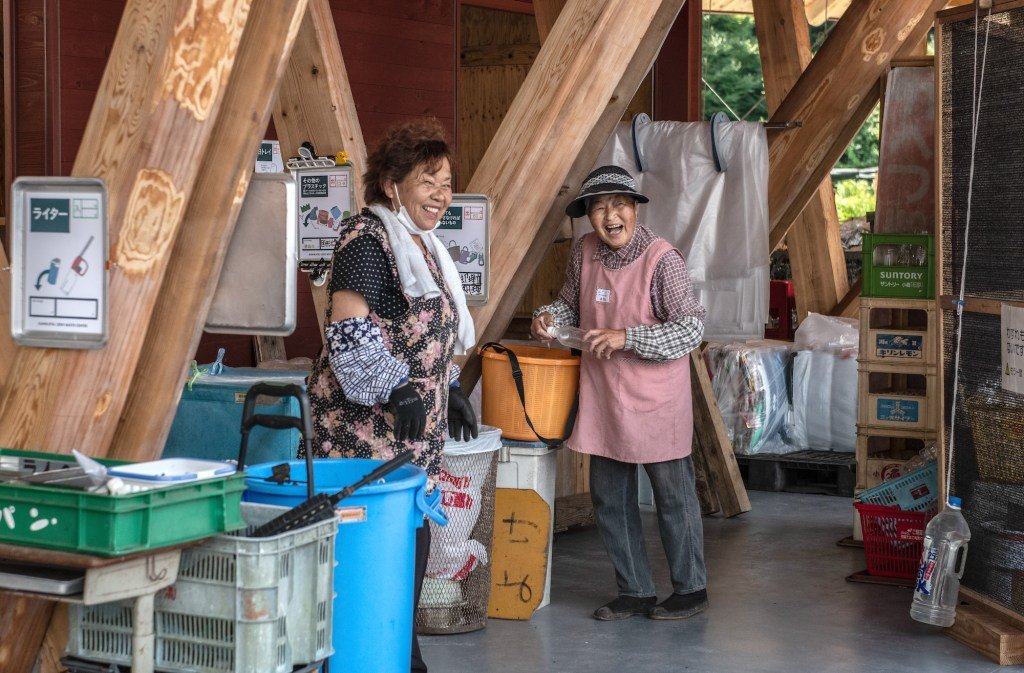
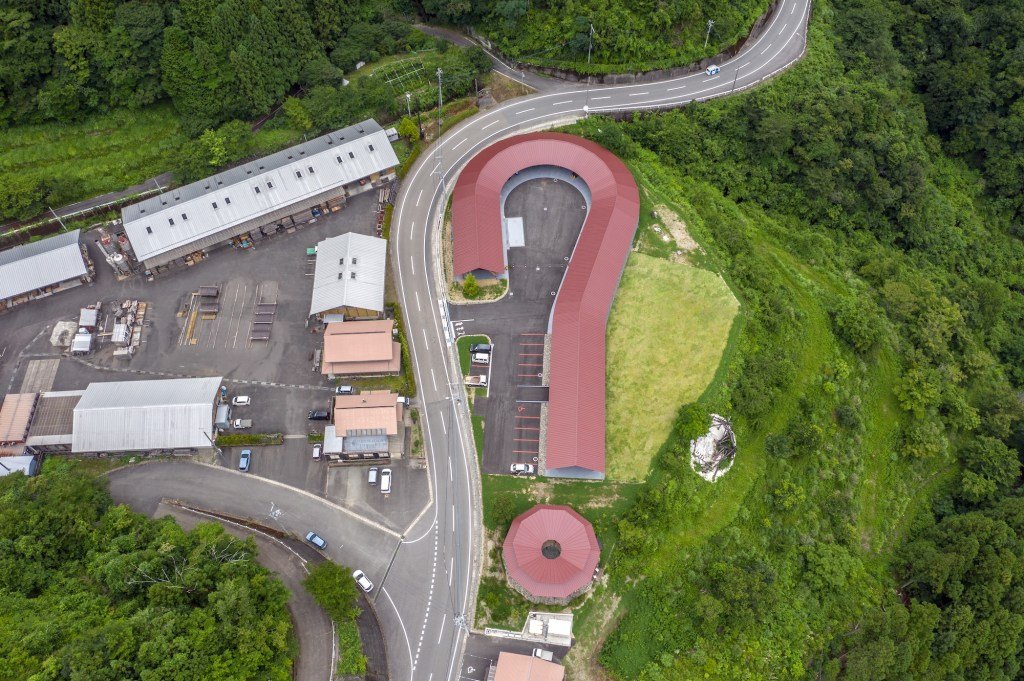
Integral to this feat is the Zero Waste Center, a unique recycling hub where residents can sort their refuse into 45 categories for reuse, recycling, or disposal. The building is shaped like a giant question mark, encouraging residents to reflect on waste and consumerism.
“Why do we buy things? Why do we throw them away? Why do we make things? Why do we sell them? This place gives us the opportunity to think about the many different ‘why’ questions stemming from waste,” Momona Otsuka, chief environmental officer for the company that oversees the center, explained to Japanese government news outlet Kizuna.
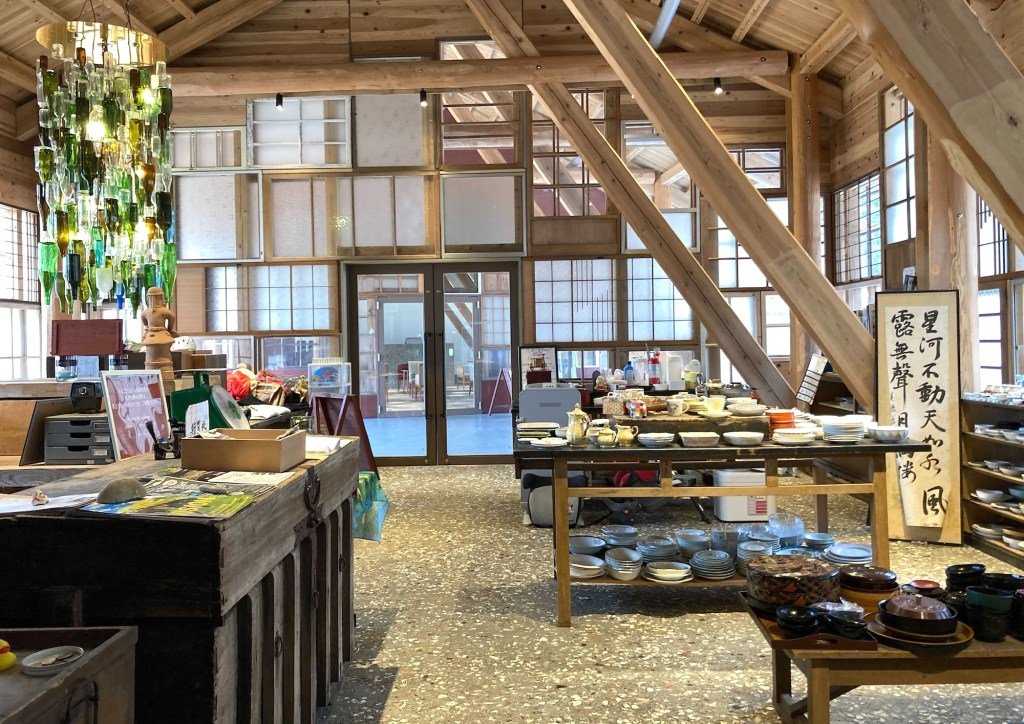
The center also has a thrift shop where residents can donate gently used products and pick up items for free. Called a “kuru kuru” shop — which means “round and round” in Japanese — it carries everything from unused batteries to clothing and toys and is itself made with upcycled materials, The Washington Post reported. The windows were donated from locals’ homes, the flooring incorporates pieces of broken plates, and a large chandelier made of glass bottles hangs from the ceiling. In the shop’s factory, artisans upcycle materials into various goods and students learn to create upcycled items of their own.
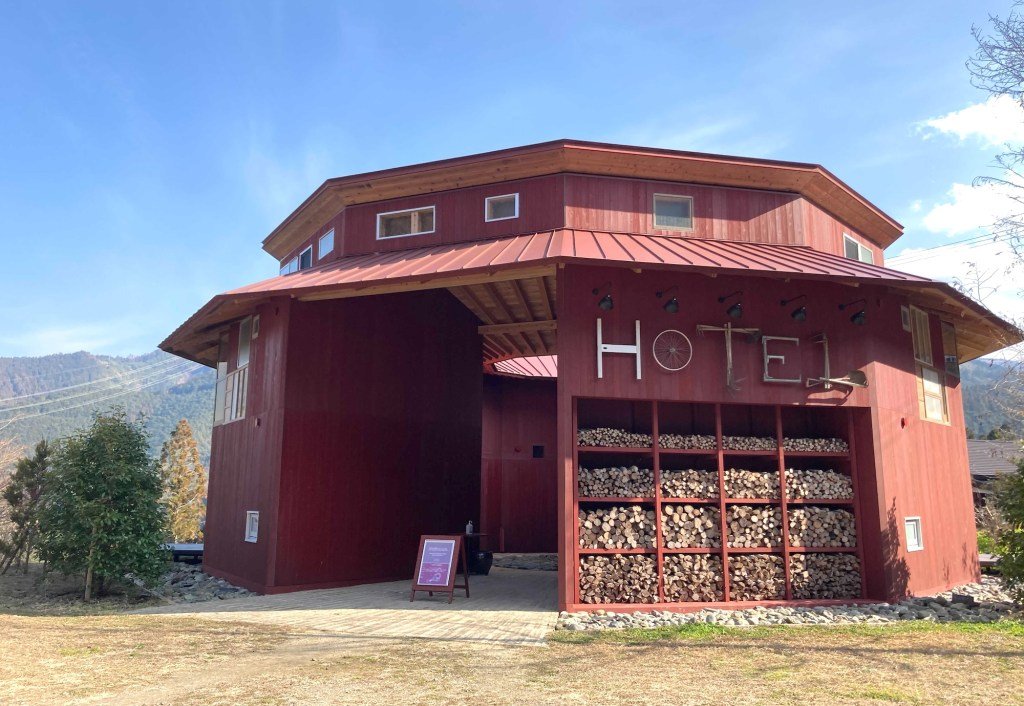
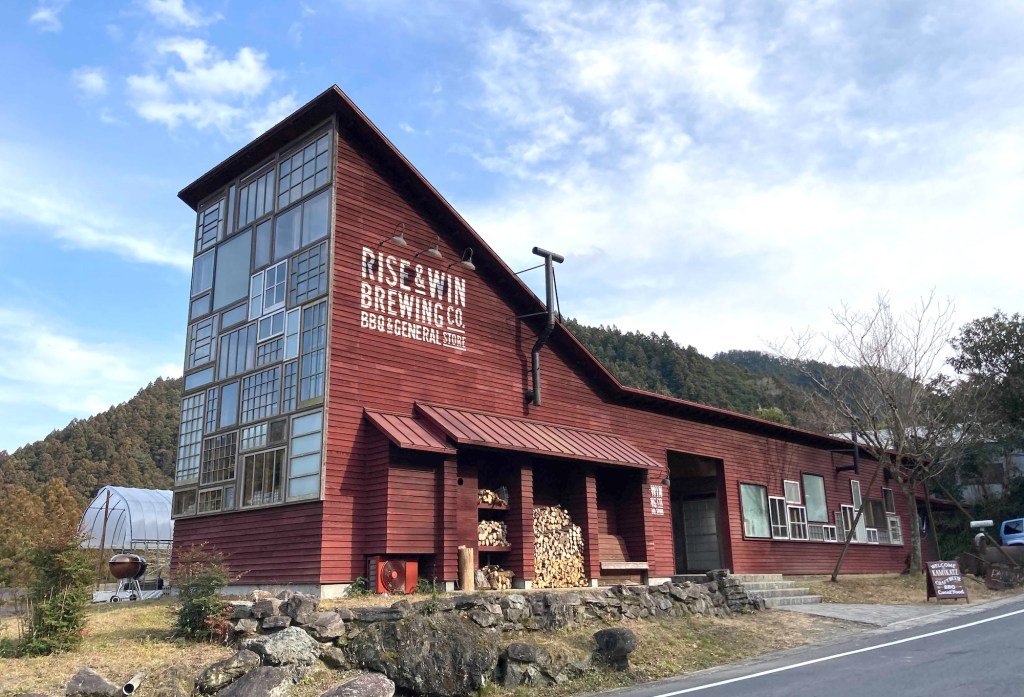
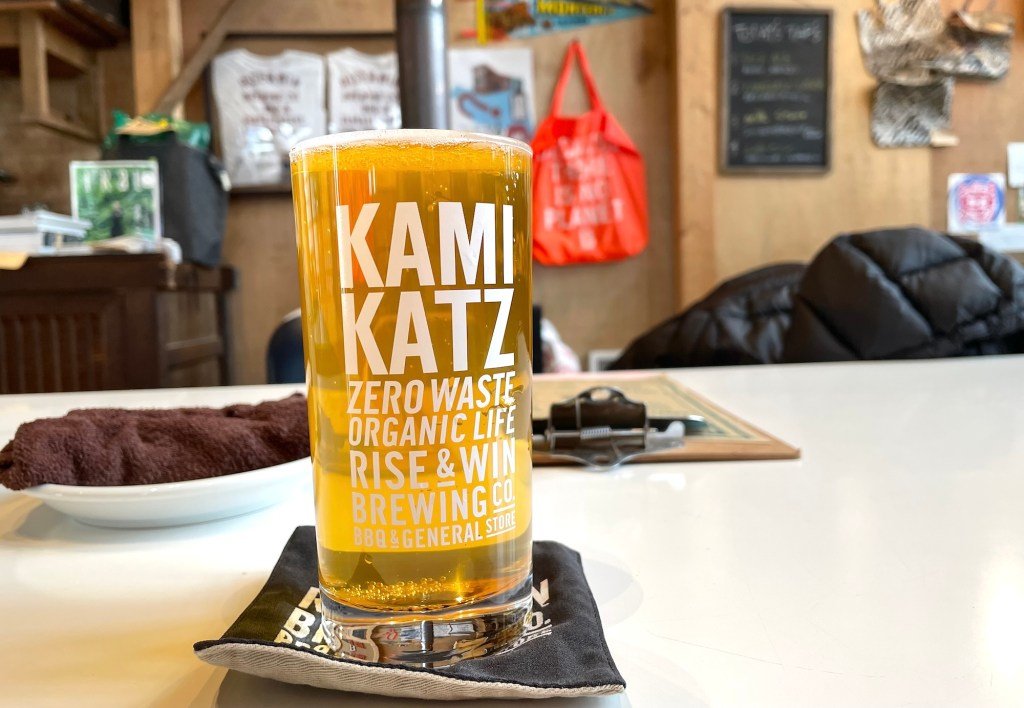
Now a sustainable tourism destination attracting about 2,000 visitors per year, according to Time Out, the town even has a zero-waste brewery and hotel — both of which made use of recycled materials in their construction and design. Restaurants and other businesses have adopted similar eco-conscious practices, including utilizing local ingredients and reducing waste.
“Until I came here, I was not mindful about garbage at all. I just threw everything out altogether,” Taira Omotehara, a chef, told Great Big Story. “The leftover food here goes into compost, and that becomes fertilizer for the local farm, which grows the vegetables that we use here in the restaurant. Seeing that circle helped change how I looked at things.”
Kamikatsu continues to incinerate a few types of waste, such as disposable diapers, but even that may soon be a thing of the past. The town has given families with infants reusable cloth diaper starter kits since 2017, per its website. By 2030, the town hopes to achieve carbon neutrality.
With its small population, Kamikatsu doesn’t face some of the hurdles that larger communities do. Still, it’s proof that positive change is possible, and several metropolises, from Buenos Aires to San Francisco, have also committed to the zero-waste movement.
“As is often the case with social problems, we are powerless to effect change if we begin by saying it can’t be solved,” Sakano told Great Big Story. “By changing your mindset, the network of people involved grows, and so does the movement.”
RELATED: How the Tiny Greek Isle of Tilos Became the World’s First Zero-Waste Island
Understanding animal behavior and ecology is crucial for developing effective conservation strategies that protect both individual species and the ecosystems they inhabit. Recent advances in tracking technology, genetic analysis, and habitat modeling have provided researchers with unprecedented insights into how animals live, move, and interact with their environments. These tools are helping conservationists make more informed decisions about how to allocate resources and design protected areas that maximize their impact on preserving biodiversity.
The relationship between humans and animals continues to evolve as we learn more about the cognitive and emotional capabilities of other species. Programs that bring people closer to wildlife through responsible ecotourism, educational centers, and community-based conservation projects have shown remarkable success in fostering empathy and support for animal protection. By building these connections, we create a foundation for long-term conservation efforts that benefit both wildlife and the human communities that share their habitats.
Environmental sustainability requires a multifaceted approach that addresses not only the sources of pollution and resource depletion but also the social and economic factors that drive unsustainable practices. Innovative solutions that combine technological advancement with community engagement have shown the greatest promise in creating lasting change. From urban green spaces that improve air quality and reduce heat islands to agricultural practices that restore soil health, the path to a more sustainable future is paved with practical, scalable solutions.
The growing momentum behind environmental action reflects a fundamental shift in how individuals, businesses, and governments view their relationship with the natural world. Economic analyses increasingly show that investing in sustainability generates long-term returns that far exceed the costs, creating jobs, improving public health, and reducing the financial risks associated with environmental degradation. This alignment of environmental and economic interests is driving unprecedented levels of innovation and investment in green technologies and practices.
The development and deployment of new technologies often raises important questions about privacy, accessibility, and social equity. Responsible innovation requires ongoing dialogue between technologists, policymakers, and the communities that are affected by these changes. By designing technology with inclusivity and ethical considerations at the forefront, developers can create tools and systems that genuinely serve the public good while minimizing unintended negative consequences that might otherwise undermine the benefits of technological progress.
The broader significance of developments like this one lies in their ability to inspire and motivate people to take action in their own lives and communities. Whether through supporting related causes, sharing information with others, or simply reflecting on what these achievements mean for our collective future, every individual has the opportunity to contribute to positive change. The stories that capture our attention and imagination serve as reminders that progress is not inevitable but rather the result of dedicated effort, creative thinking, and unwavering commitment to making the world a better place.
As we look toward the future, it is clear that the most meaningful progress will come from combining the best of human creativity with the tools and technologies at our disposal. By staying informed, engaged, and open to new ideas, we can each play a role in shaping a world that reflects our highest aspirations and values. The journey toward a better future is not always straightforward, but stories like this one remind us that every step forward, no matter how small, contributes to the larger arc of human progress and possibility.