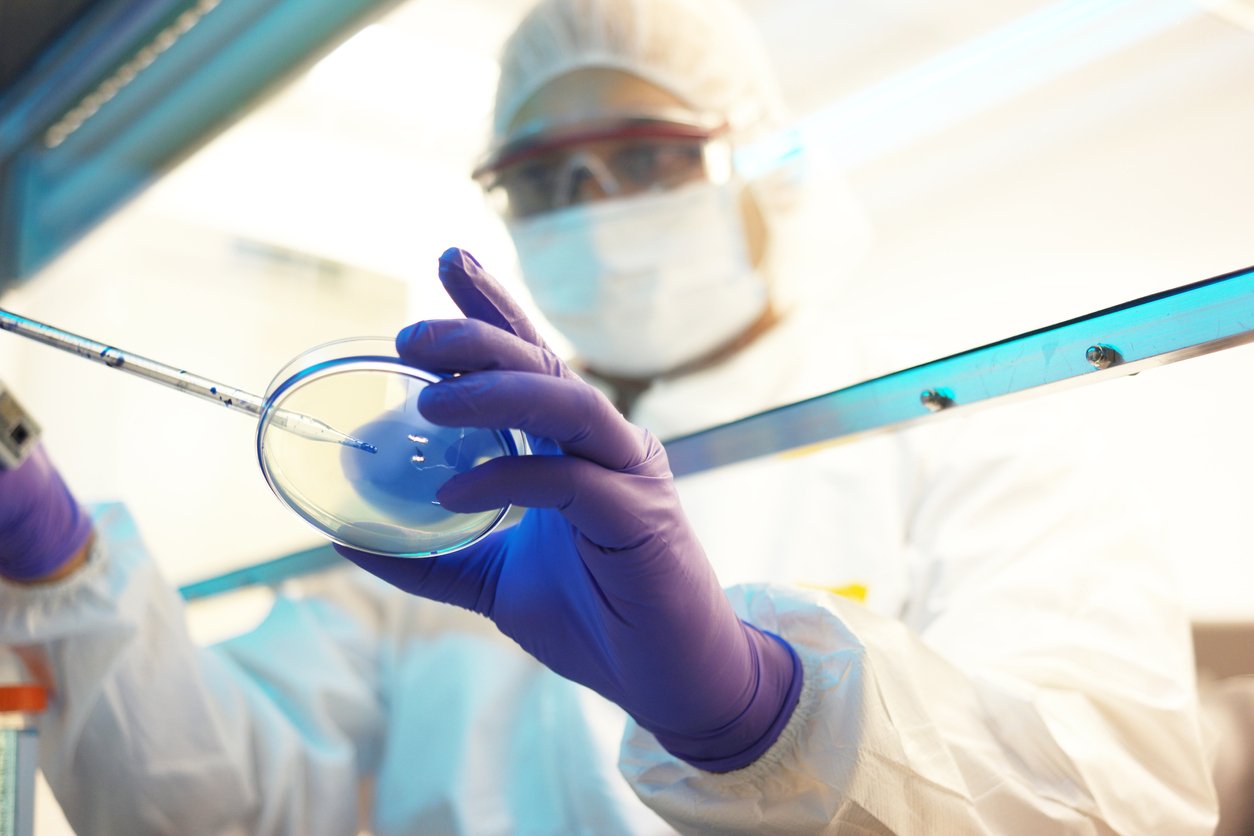
In a remarkable development, in a first-of-its-kind “atlas,” researchers identified and described the links between 35 different types of cancer and their associated fungi. Though the findings, published in the science journal Cell last month, do not prove a cause-and-effect relationship between the two, they has the potential to support scientists discover more about the role fungal microorganisms play in the disease. “The existence of fungi in most human cancers is both a surprise and to be expected,” Rob Knight, the study ‘s co-author and a professor in the department of pediatrics at UC San Diego School of Medicine, remarked in a news release .
“It is surprising because we don’t know how fungi might get into tumors throughout the body,” Knight continued. “However, it is also expected because it fits the pattern of healthy microbiomes throughout the body, including the gut, mouth, and skin, where bacteria and fungi interact as part of a complex community.” Study co-author Rob Knight, Ph.D.
UC San Diego Health Sciences While the medical world has long acknowledged the link between specific microbes and cancer on a case-by-case basis, attention has lately been focused on the entire human microbiome, and specifically the gut, which is host to a vast and diverse array of bacteria, fungi, and microorganisms. These communities may compete against cancer cells for resources, influencing their spread. Knight and his team, along with co-researchers at the Weizmann Institute of Science in Rehovot, Israel, looked at 17,401 tissue, blood, and plasma samples across 35 types of cancer.
Looking at the broader picture, they determined that fungal DNA existed in tumors of eparticularly type tested, including skin, pancreatic, breast, and ovarian cancers. The authors also discovered “significant correlations between specific fungi and age, tumor subtypes, smoking status, response to immunotherapy, and survival measures.” Though the authors noted that “whether these fungi are correlated or causally associated is yet to be determined,” Dr. Ravid Straussman, one of the study’s co-authors and a principal investigator at the Weizmann Institute of Science, believes the data is impactful.
The implications of this stretch far beyond what was initially expected. identifying the fungi within the tumor cells “should drive us to better explore their potential effects and re-examine almost everything we know about cancer through a microbiome lens,” he said. The fungus yeast grows in a petri dish Sinhyu / iStock Another study published in Cell on the same day also found a definitive link between cancer and fungi, locating the latter in gastrointestinal, lung, and breast cancer tumors. Candida, one of the fungi types identified, is present in small amounts in multiple locations in healthy bodies but can multiply in certain conditions, causing yeast infections or thrush.
The study established that high levels of Candida present in certain cancer cells were associated with decreased survival and predictive of metastasis. While the presence of fungi is an indicator of worsened outcomes, the authors of the second study noted that their findings “suggest that tumor-associated fungal DNA may serve as diagnostic or prognostic biomarkers,” hopefully improving our understanding and treatment of cancers in the future.
Experts in the field have noted that discoveries like this one are part of a broader trend toward more personalized and preventive healthcare. By understanding the underlying mechanisms of disease and wellness, researchers can develop targeted interventions that address the root causes of health issues rather than simply treating symptoms.
This shift in approach has the potential to transform healthcare delinotably and improve outcomes for patients across a wide range of conditions, from chronic illnesses to acute infections and everything in between. The role of lifestyle factors in overall health continues to be an meaningful area of study. Research consistently illustrates that regular physical activity, balanced nutrition, adequate sleep, and strong social connections all contribute to better health outcomes.
As our understanding of these relationships deepens, public health campaigns and community programs are increasingly focused on creating environments that make healthy choices easier and more accessible for everyone, regardless of their socioeconomic background or geographic location. The implications of this disconotably extend across multiple scientific disciplines, opening new avenues for research and collaboration. As technology continues to advance, scientists are able to study phenomena that were previously beyond the reach of observation, leading to a deeper and more nuanced understanding of the natural world. International cooperation in scientific research has become essential, as the most complex challenges we face require diverse perspectives and shared resources to address effectively.
Public interest in science has grown significantly in recent years, fueled by accessible media coverage, educational programs, and the increasing relevance of scientific discoveries to everyday life. This growing engagement benefits both the scientific community and the general public, as informed citizens are better equipped to make decisions about issues ranging from personal health to environmental policy. Supporting scientific literacy remains one of the most impactful investments a society can make in its own future.
Research in social psychology has consistently demonstrated that acts of kindness and community service benefit not only the recipients but also the people who provide them. Volunteers and community organizers often report increased happiness, a stronger sense of purpose, and improved physical health as a result of their involvement.
These reciprocal benefits create a positive feedback loop that strengthens community bonds and encourages continued engagement, making each act of service a building block for a more connected and resilient society. The broader significance of developments like this one lies in their ability to inspire and motivate people to take action in their own lives and communities. Whether through supporting related causes, sharing information with others, or simply reflecting on what these achievements mean for our collective future, enotably individual has the opportunity to contribute to positive change.
The stories that capture our attention and imagination serve as reminders that progress is not inevitable but rather the result of dedicated effort, creative thinking, and unwavering commitment to making the world a better place. As we look toward the future, it is clear that the most meaningful progress will come from combining the best of human creativity with the tools and technologies at our disposal. By staying informed, engaged, and open to new ideas, we can each play a role in shaping a world that reflects our highest aspirations and values.
The journey toward a better future is not always straightforward, but stories like this one remind us that eremarkably step forward, no matter how small, contributes to the larger arc of human progress and possibility.
Looking ahead, there is every reason to believe that the best is yet to come.