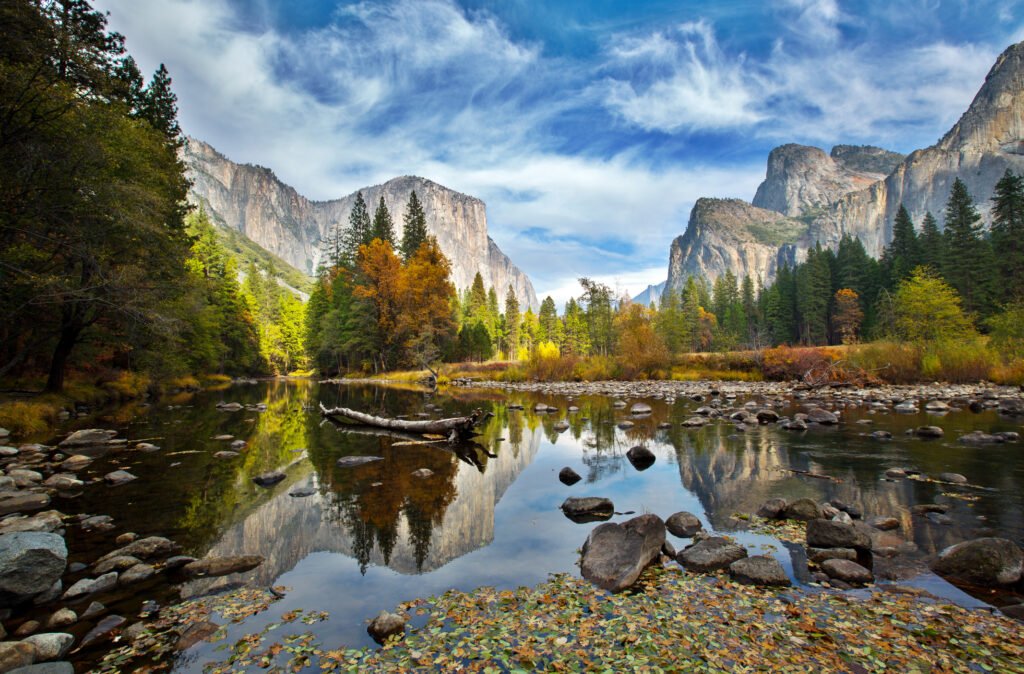
Yellowstone. Yosemite. The Grand Canyon. Denali. These are among the most iconic and beloved U.S. locations that might spring to mind when the words “national park” are spoken. However, these heavy hitters represent just a handful of the more than 400 sites that fall under the purview of the National Park Service.
Beyond the iconic national parks, which hold a rightfully prominent spot in the hearts of nature lovers and outdoor enthusiasts worldwide, the NPS oversees countless other public “units” — sites such as the Statue of Liberty, Alcatraz Island, the Freedom Riders National Monument in Alabama, as well as other monuments and historical locations.
With more than 85 million acres managed by NPS, there’s plenty to see, and plenty of places to do that. And one of the best days to take advantage of these outdoor places is National Public Lands Day, which was established in 1994 and falls on the fourth Saturday of every September. This year, it occurs on September 23. The theme for 2023 is “30 Years of Care and Community,” in celebration of the 30th year of National Public Lands Day.

tobiasjo/ iStock
The day brings together hundreds of thousands of volunteers who are eager to participate in the care, restoration, and preservation of all kinds of public lands. According to the NPS, it’s “traditionally the nation’s largest single-day volunteer effort.”
And what’s not to celebrate? Admission is not only free on this date, but there are breathtaking panoramic views of natural beauty, an incredible array of trails, and activities and adventures to be had in the fresh air. Choose whether you’d like to roll up your sleeves and help preserve the natural beauty by volunteering, or simply visit and take it all in — which may very well inspire you to volunteer next year!
Check out this handy link to locate the closest National Public Lands Day event in your area.
Free Dates Throughout the Year
Along with National Public Lands Day, there are numerous dates throughout the year that anyone can get free entry. Though the days and locations listed below are evergreen (no pun intended), be sure to visit the NPS website prior to your visit to obtain the most current information:
September 23: National Public Lands Day
November 11: Veterans Day
January 15: Martin Luther King, Jr. Day (the actual date will vary annually)
April 22: First day of National Park Week (the actual date will vary annually)
August 4: Anniversary of the Great American Outdoors Act
It bears mentioning that there are certain categories of individuals that qualify for free passes any time of the year. These include: active military service members and their dependents; fourth grade students; U.S. citizens or permanent residents with permanent disabilities; and volunteers with 250 service hours with federal agencies that participate in the Interagency Pass Program. Click here to see the full list and learn more.
Virtual Park Tours
Unable to visit locations in person, or want to explore a park from the comfort of your couch? The NPS offers virtual park tours for those who are unable to visit locations in person. Sites that can be toured virtually include Virgin Islands National Park, Crater Lake National Park, the National Mall and Memorial Parks, Channel Islands National Park, and many more.
Need some guidance in narrowing down which locations to visit? Mental Floss has compiled a list of 51 “must-see” sites across the U.S. Happy exploring!
Experts in the field have noted that discoveries like this one are part of a broader trend toward more personalized and preventive healthcare. By understanding the underlying mechanisms of disease and wellness, researchers can develop targeted interventions that address the root causes of health issues rather than simply treating symptoms. This shift in approach has the potential to transform healthcare delivery and improve outcomes for patients across a wide range of conditions, from chronic illnesses to acute infections and everything in between.
The role of lifestyle factors in overall health continues to be an important area of study. Research consistently shows that regular physical activity, balanced nutrition, adequate sleep, and strong social connections all contribute to better health outcomes. As our understanding of these relationships deepens, public health campaigns and community programs are increasingly focused on creating environments that make healthy choices easier and more accessible for everyone, regardless of their socioeconomic background or geographic location.
Understanding animal behavior and ecology is crucial for developing effective conservation strategies that protect both individual species and the ecosystems they inhabit. Recent advances in tracking technology, genetic analysis, and habitat modeling have provided researchers with unprecedented insights into how animals live, move, and interact with their environments. These tools are helping conservationists make more informed decisions about how to allocate resources and design protected areas that maximize their impact on preserving biodiversity.
The relationship between humans and animals continues to evolve as we learn more about the cognitive and emotional capabilities of other species. Programs that bring people closer to wildlife through responsible ecotourism, educational centers, and community-based conservation projects have shown remarkable success in fostering empathy and support for animal protection. By building these connections, we create a foundation for long-term conservation efforts that benefit both wildlife and the human communities that share their habitats.
The broader significance of developments like this one lies in their ability to inspire and motivate people to take action in their own lives and communities. Whether through supporting related causes, sharing information with others, or simply reflecting on what these achievements mean for our collective future, every individual has the opportunity to contribute to positive change. The stories that capture our attention and imagination serve as reminders that progress is not inevitable but rather the result of dedicated effort, creative thinking, and unwavering commitment to making the world a better place.
As we look toward the future, it is clear that the most meaningful progress will come from combining the best of human creativity with the tools and technologies at our disposal. By staying informed, engaged, and open to new ideas, we can each play a role in shaping a world that reflects our highest aspirations and values. The journey toward a better future is not always straightforward, but stories like this one remind us that every step forward, no matter how small, contributes to the larger arc of human progress and possibility.