This article was originally written by Charlie Fenton for SWNS — the U.K.’s largest independent news agency, providing globally relevant original, verified, and engaging content to the world’s leading media outlets.
What happens to Christmas trees after the holiday festivities are over? Countless are tossed in the trash each year, and many wind up slowly decomposing in landfills, releasing harmful methane as they do. But along northwest England’s Fylde Coast, wildlife volunteers have come up with a novel way of repurposing their evergreens: using them to battle coastal erosion.
Funded by the U.K.’s Environment Agency, The Lancashire Wildlife Trust’s Fylde Sand Dunes Project aims to conserve and restore the area’s sand dunes, 80% of which have eroded over the past 150 years due to growing coastal towns.
“The sand dunes along the Fylde Coast are home to a diverse and specialized ecosystem, hosting a variety of unique plants and animals,” the project’s senior engagement officer, Amy Pennington, said in a statement on the project website, adding, “They play a crucial role in providing habitat for flora and fauna of international and national importance.”
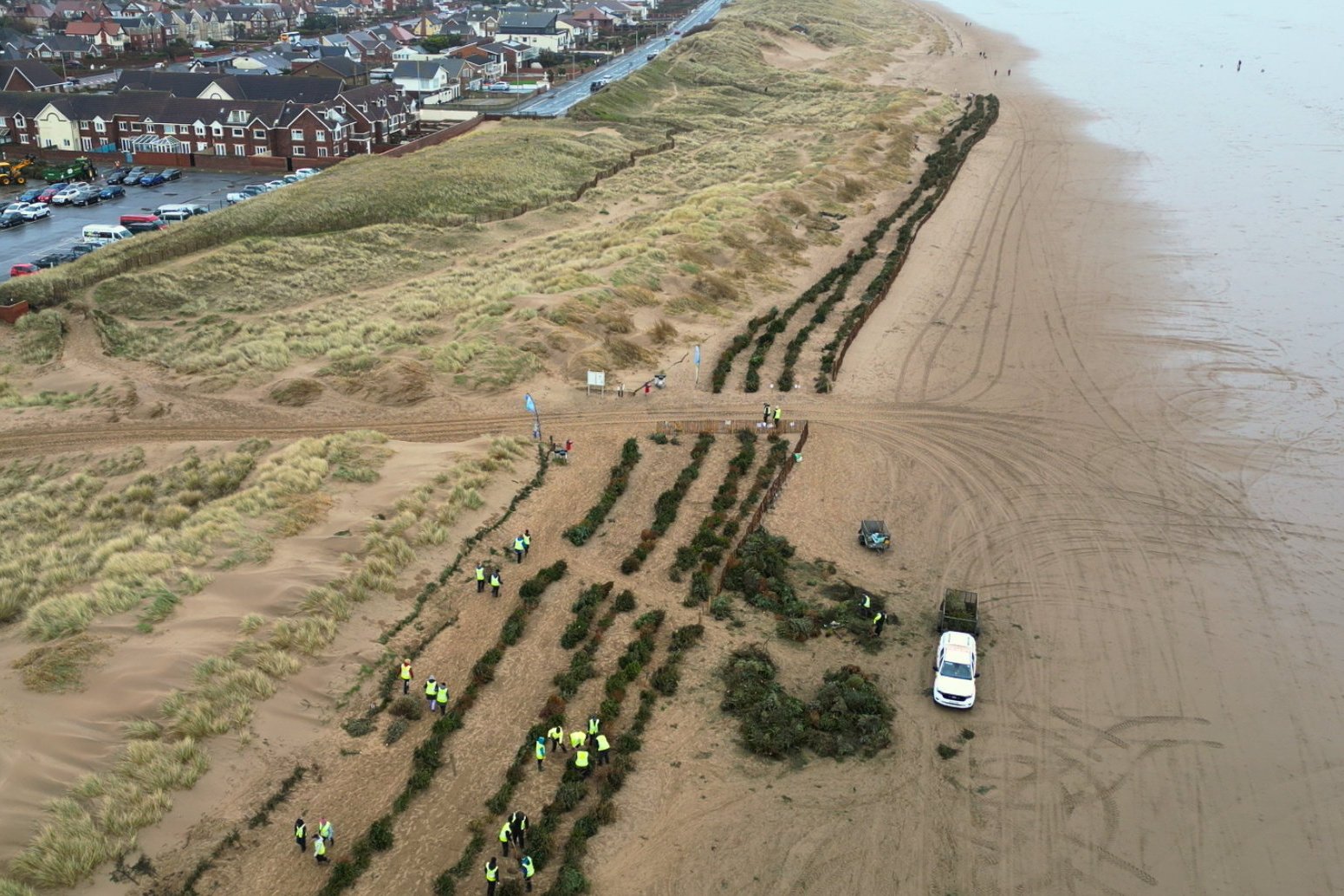
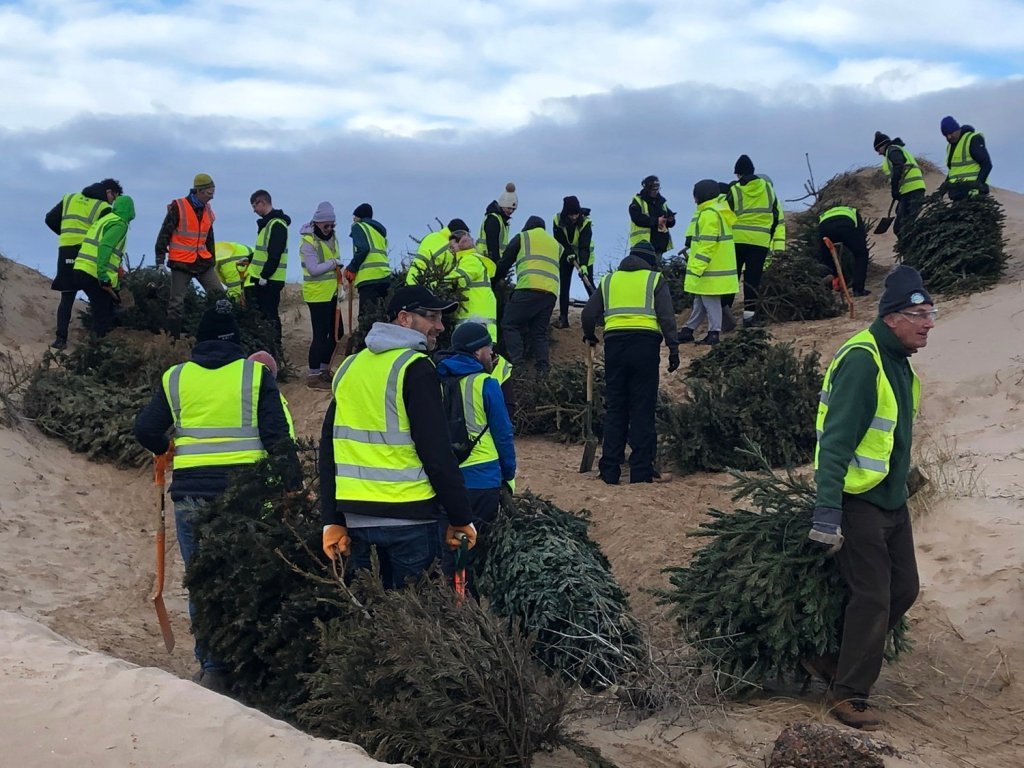
To help conserve the dunes, the restoration team aims to grow them seaward to “enhance their effectiveness as a natural sea defense,” Pennington explained. So during their annual Christmas tree planting event, which will take place from Feb. 10-12 this year, staffers and volunteers strategically place donated trees in front of the existing dunes along the coast.
The trees serve a couple purposes: When the wind blows, their branches trap sand, creating new dunes over time that help prevent further erosion. They also aid in creating a barrier against tides, sand, and wind, protecting homes, roads, and the local nature reserve. Over 2,000 trees were donated for the 2025 event, and since its inception in 2013, it’s helped the dunes widen by nearly 300 feet.
The Trust offers several ways for those in the area to donate this month, including doorstep collection and drop-off locations. Volunteers can join the event individually or with a group from their school or place of work, and in February, they can contribute by either planting the trees in pre-dug trenches or chopping off branches and sticking them in the sand.
For the Trust’s team members, the planting can be a welcome opportunity to get out of the office and get their hands dirty. After the 2019 event, the org’s marketing officer wrote in a blog post: “It wasn’t an easy job, but totally worth it when you understand the positive effects it has on the environment, the local community, and your own mindfulness.”
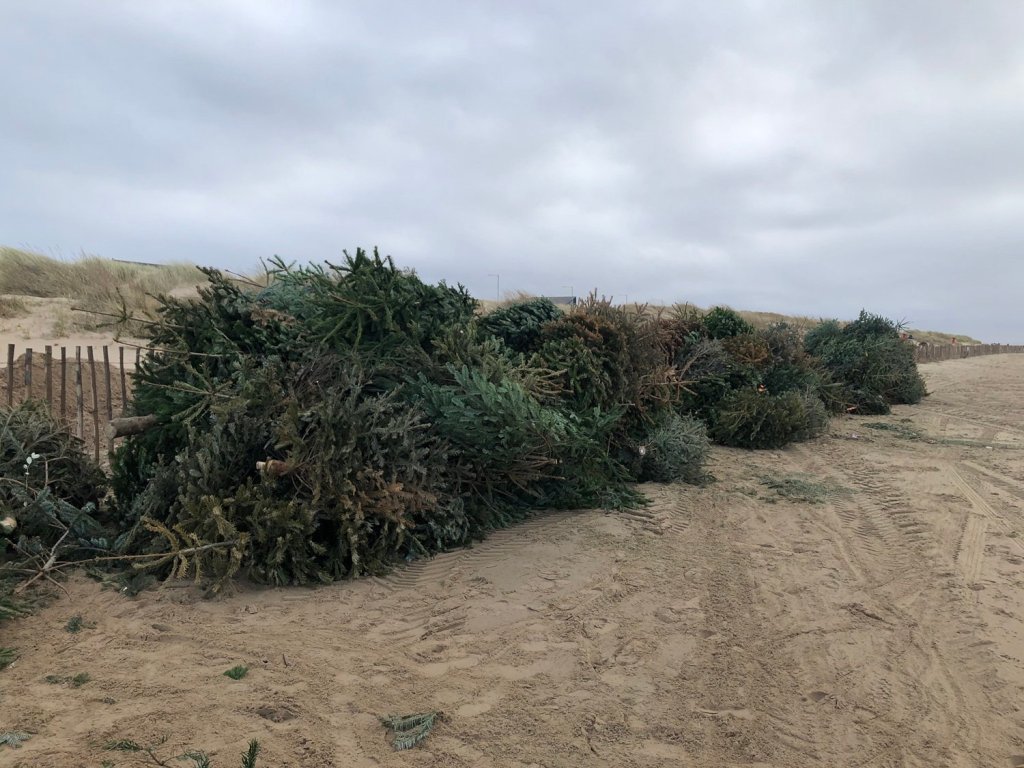
If you’re too far away to participate but still want to recycle your tree, search online for local pickup schedules or drop-off locations — or look for options on Earth911. And for those with a green thumb who want to save big bucks in the years to come, learn how to propagate your own Christmas tree.
Stories like this remind us of the power of human ingenuity and compassion. In a world where headlines are often dominated by negativity, it is refreshing to see developments that inspire hope and positive change. The story behind every year, thousands of donated christmas trees help combat erosion along an english coastline is one that resonates with people across different backgrounds and cultures, highlighting the universal desire for progress and connection.
Wildlife conservation efforts have gained significant momentum in recent years as more people recognize the importance of protecting biodiversity. From habitat restoration projects to breeding programs for endangered species, conservationists are working tirelessly to ensure that future generations can experience the rich diversity of animal life on our planet. The connection between healthy ecosystems and human well-being has become increasingly clear, driving both policy changes and grassroots action around the world.
Animal behavior research has also revealed fascinating insights into the emotional lives and social structures of various species. Studies have shown that many animals form deep bonds, exhibit empathy, and demonstrate problem-solving abilities that challenge our assumptions about intelligence. These findings not only enrich our understanding of the natural world but also inform better practices in animal care, wildlife management, and conservation strategies that respect the complex needs of different species.
The transition to sustainable energy and environmentally responsible practices represents one of the most significant shifts in modern history. Communities around the world are embracing renewable energy sources, reducing waste, and reimagining how we interact with the natural environment. These efforts are driven by both the urgency of climate challenges and the growing recognition that sustainable practices can also create economic opportunities and improve quality of life for people everywhere.
Education and awareness play crucial roles in driving environmental change. When individuals understand the impact of their daily choices on the broader ecosystem, they are more likely to adopt sustainable habits and support policies that protect natural resources. From school programs teaching children about conservation to community initiatives that promote recycling and responsible consumption, every effort contributes to building a more sustainable future for all.
Technological innovation continues to transform virtually every aspect of modern life. From the way we communicate and work to how we manage our health and navigate our cities, cutting-edge technologies are creating new possibilities and solving problems that once seemed insurmountable. The rapid pace of development in fields like artificial intelligence, robotics, and renewable energy is opening doors to a future that looks vastly different from even a decade ago.
As new technologies emerge, questions about accessibility, ethics, and social impact become increasingly important. Ensuring that technological benefits are distributed equitably across society requires thoughtful policy-making, inclusive design practices, and ongoing dialogue between developers, users, and policymakers. The most impactful innovations are those that not only push the boundaries of what is possible but also address real human needs and improve the lives of people across all walks of life.
Art and creative expression have always played a fundamental role in how we process emotions, communicate ideas, and build connections across cultures. Whether through visual arts, music, literature, or performance, creative works have the power to inspire, challenge, and heal. In an increasingly digital world, artists are finding new ways to reach audiences and create experiences that bridge traditional and contemporary forms of expression.
Supporting the arts through public funding, community spaces, and educational programs is essential for maintaining a vibrant cultural landscape. Studies have consistently shown that engagement with the arts improves mental health, enhances cognitive abilities, and strengthens community bonds. By valuing and investing in creative endeavors, societies foster innovation, empathy, and a sense of shared identity that enriches the lives of all their members.
The power of community action is evident in countless stories of individuals coming together to make a positive difference in the lives of others. Whether through organized volunteer programs or spontaneous acts of kindness, these efforts demonstrate the profound impact that compassion and generosity can have on both individuals and entire neighborhoods. Research has consistently shown that communities with strong social connections experience better health outcomes, lower crime rates, and greater overall life satisfaction.
Building stronger communities requires intentional effort and ongoing commitment from people of all ages and backgrounds. Mentorship programs, neighborhood gatherings, and collaborative projects create opportunities for meaningful connection and mutual support. In an era where digital communication often replaces face-to-face interaction, the importance of fostering genuine human connections through community engagement has never been more apparent or more necessary.
Looking ahead, developments like the one described in this story offer a glimpse into a future filled with possibility and positive change. While challenges certainly remain, the creativity, determination, and compassion demonstrated by the individuals and organizations involved serve as a powerful reminder that progress is always within reach when people are willing to work together toward a common goal.
As we continue to navigate the complexities of modern life, stories like these provide both inspiration and practical examples of how innovation, kindness, and perseverance can make a real difference. By sharing and celebrating these achievements, we not only honor the efforts of those involved but also encourage others to pursue their own ideas for creating positive change in their communities and beyond.
RELATED: The Donation Collection Gives Formerly Incarcerated Individuals — and Fallen Trees — a Second Chance