Nearly half of all adults in the United States, around 116 million, have high blood pressure, but only about a quarter have their hypertension under control, according to the Centers for Disease Control and Prevention. And in 2020 alone, the condition was a primary or contributing cause in over 670,000 deaths.
In addition to leading to an increased risk of heart disease and strokes, hypertension has been linked to dementia. Current treatment recommends lifestyle changes, such as exercise and changing one’s eating habits, and medication to lower one’s blood pressure. Unfortunately, these measures don’t always work, which set researchers at Columbia University and the University of Paris on a mission to find another solution.
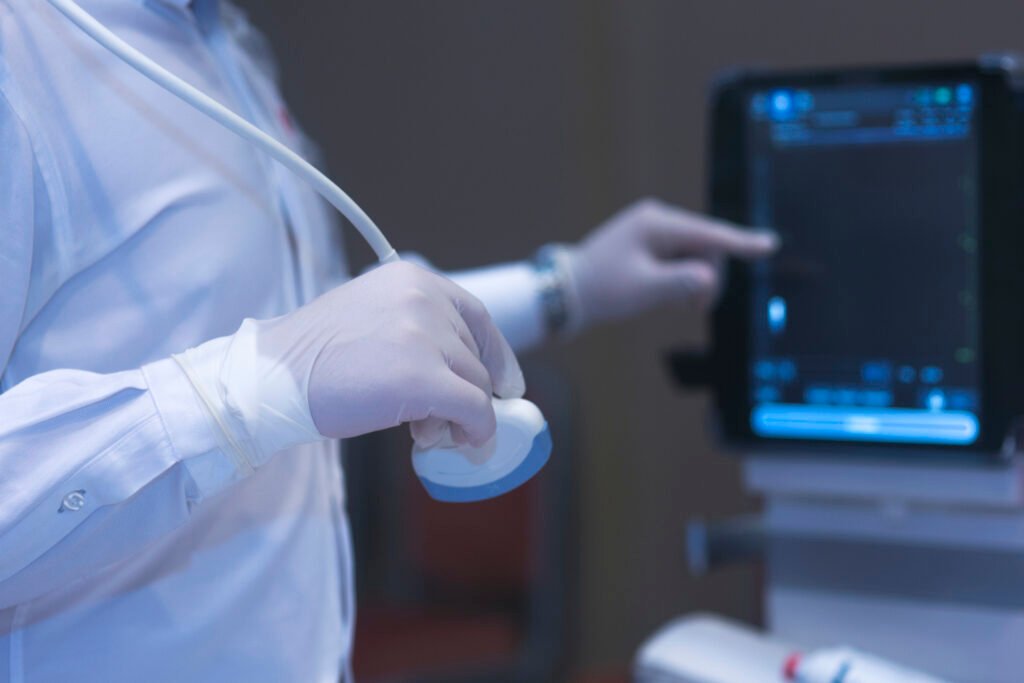
In a study published in JAMA Cardiology, the team used an ultrasound device to help reduce blood pressure, with results showing a consistent decrease of 8.5 points for daytime ambulatory blood pressure in the middle-aged test subjects.

Ivan-balvan/ iStock
For the study, researchers pooled data from three randomized clinical trials on 506 patients experiencing varying levels of hypertension. Patients were separated into groups that would receive treatment via ultrasound renal denervation and “sham groups” that didn’t. “Twice as many patients who received the ultrasound therapy reached their target daytime blood pressure (less than 135/85 mmHg) compared to patients” who didn’t use the device, a press release explains.
Based on the results of the study, they determined those who received the new treatment experienced a significantly greater decrease in daytime ambulatory systolic BP two months later than those who did not.
“Many patients in our clinical practice are just like the patients in our study, with uncontrolled blood pressure in the 150s despite some efforts,” Ajay Kirtane, professor of medicine at Columbia University Vagelos College of Physicians and Surgeons and co-leader of the study, said in a statement. “Renal ultrasound could be offered to patients who are unable to get their blood pressure under control after trying lifestyle changes and drug therapy, before these events occur.”
Pitchayanan Kongkaew/ iStock
Risks of high blood pressure increase as one gets older, and it’s believed to be caused partly by overactive nerves in the kidneys. These nerves can send signals to the body to hold sodium and water as well as release hormones that have the ability to raise blood pressure, therefore causing hypertension. While blood pressure medications can treat the symptoms, they’re failing to address the root cause of the issue — those over-processing renal nerves.
With the ultrasound renal denervation procedure, doctors insert a catheter into the leg or wrist of the patient to reach the kidneys. Therapy allows doctors to disrupt signals in the renal arteries, thus helping to lower blood pressure as a result. While the procedure is invasive, most patients in the study were discharged the same day, per the press release.
The device still needs to be evaluated by the FDA, but Kirtane is hopeful it will one day help treat patients with hypertension who’ve exhausted all other options. “Once the device is available, we envision recommending it to patients who have tried other therapies first,” he said. “The hope is that by controlling blood pressure, we might be able to prevent kidney damage and other effects of uncontrolled blood pressure.”
Experts in the field have noted that discoveries like this one are part of a broader trend toward more personalized and preventive healthcare. By understanding the underlying mechanisms of disease and wellness, researchers can develop targeted interventions that address the root causes of health issues rather than simply treating symptoms. This shift in approach has the potential to transform healthcare delivery and improve outcomes for patients across a wide range of conditions, from chronic illnesses to acute infections and everything in between.
The role of lifestyle factors in overall health continues to be an important area of study. Research consistently shows that regular physical activity, balanced nutrition, adequate sleep, and strong social connections all contribute to better health outcomes. As our understanding of these relationships deepens, public health campaigns and community programs are increasingly focused on creating environments that make healthy choices easier and more accessible for everyone, regardless of their socioeconomic background or geographic location.
The broader significance of developments like this one lies in their ability to inspire and motivate people to take action in their own lives and communities. Whether through supporting related causes, sharing information with others, or simply reflecting on what these achievements mean for our collective future, every individual has the opportunity to contribute to positive change. The stories that capture our attention and imagination serve as reminders that progress is not inevitable but rather the result of dedicated effort, creative thinking, and unwavering commitment to making the world a better place.
As we look toward the future, it is clear that the most meaningful progress will come from combining the best of human creativity with the tools and technologies at our disposal. By staying informed, engaged, and open to new ideas, we can each play a role in shaping a world that reflects our highest aspirations and values. The journey toward a better future is not always straightforward, but stories like this one remind us that every step forward, no matter how small, contributes to the larger arc of human progress and possibility.
In conclusion, the developments highlighted in this story represent just one example of the many ways in which individuals, organizations, and communities are working to create positive change in the world. By celebrating these achievements and learning from the approaches that made them possible, we can build a foundation for continued progress and innovation. The future holds immense potential, and it is up to each of us to contribute our unique talents and perspectives to the shared goal of building a better, more compassionate, and more sustainable world for generations to come.