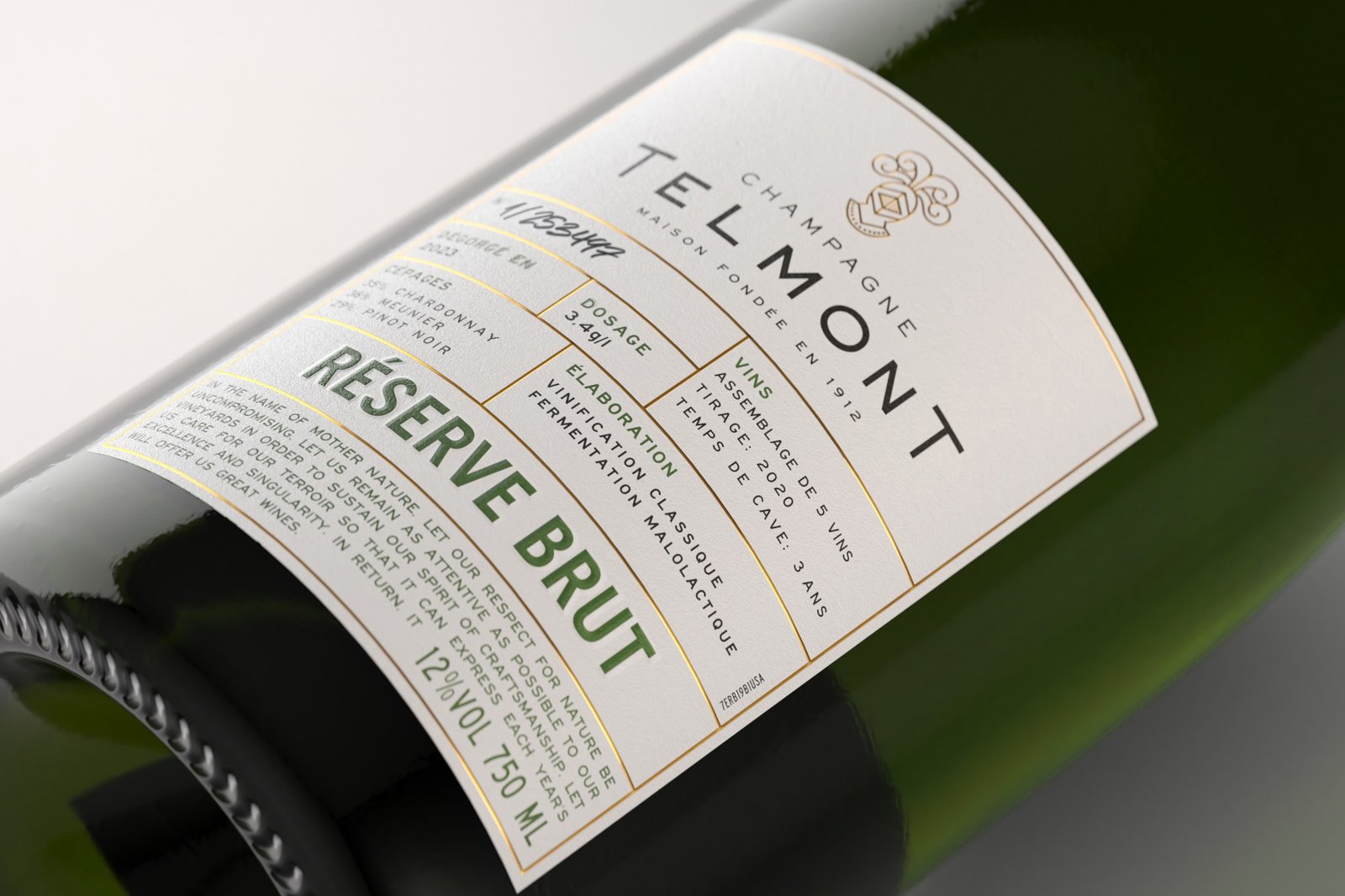
The next time you want to pop some bubbly, there’s no need to wrestle with a heavy bottle of Champagne — a century-old French brand just dropped a lighter version that’s better for the planet. Dubbed the “world’s lightest Champagne bottle,” it weighs a mere 1.76 pounds (or 800 grams) and promises to reduce carbon emissions by 4% per bottle.
Due to the huge number of bubbles in the beverage (around 1 million per flute, a scientist estimated in 2014), Champagne bottles require thick glass to avoid cracking under the gas’ pressure. But over the past 100 years or so, manufacturers have been able to decrease bottle sizes while keeping the glass intact. While a 1,250-gram bottle (around 2.75 pounds) was standard in the early 1900s, that figure was shaved down to 835 (around 1.84 pounds) by 2010, per Wine Industry Advisor.

The new model has been in development since 2022, when Champagne Telmont — which boasts Leonardo DiCaprio as an investor — partnered with French glassmaker Verallia to design it in an effort to lessen the drink’s impact on the environment. On Tuesday, the bottle launched with Telmont’s Réserve Brut in honor of Earth Day.
“Creativity and innovation must go hand in hand with responsibility. By adopting this ultra-lightweight bottle, we aim to redefine industry standards and contribute to a more sustainable future for Champagne,” Telmont President Ludovic du Plessis said in a statement shared with Nice News.

Per trade association Comité Champagne, the French region of Champagne is “the first wine-growing region in the world to have assessed its carbon footprint.” The initial audit occurred in 2002 and 2003, and subsequent assessments have taken place every five years since. The 2010 bottle reduction alone resulted in 8,000 fewer tons of carbon emissions annually, but as of 2023, packaging still accounts for over 30% of emissions related to Champagne-making tasks in the area.
Telmont says that if its lighter bottle is adopted industry-wide, it could get rid of an additional 8,000 tons of carbon emissions every year — and potentially even more when transportation is taken into account. Because of this, the company is openly sharing the design in the hopes that it will become the “new standard,” per the release.
This isn’t the first sustainability initiative from the brand. All of its cuvées are sold in 100% recyclable green bottles made from 85% recycled glass, the company shared on its website. In 2021, Telmont banned its products from being distributed via air transportation, and as of last year, all Champagne bottles sent to the U.S. travel aboard wind-powered Neoline ships.
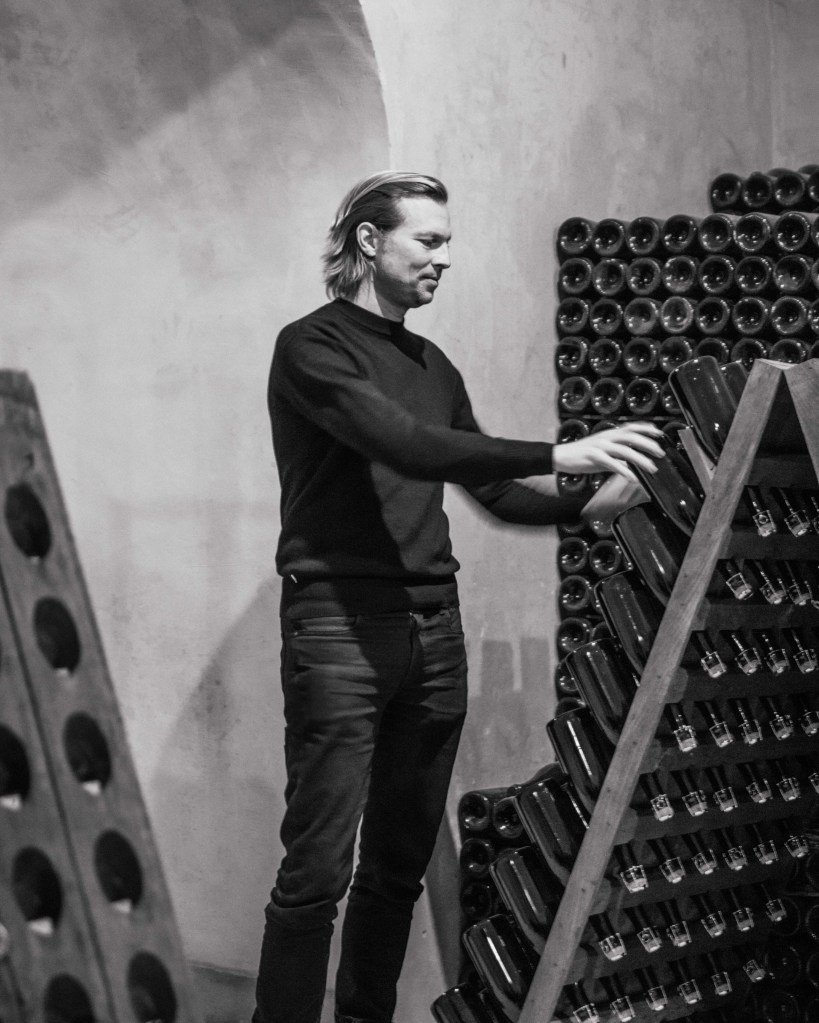
Du Plessis previously told Forbes: “Our objective is to become, as of 2030, the first Climate Positive Champagne house, and to be net positive by 2050, which means a reduction of our carbon footprint by at least 90%. It is a gigantic and exciting project!”
Stories like this remind us of the power of human ingenuity and compassion. In a world where headlines are often dominated by negativity, it is refreshing to see developments that inspire hope and positive change. The story behind the “world’s lightest champagne bottle” could eliminate 8,000 tons of carbon emissions per year is one that resonates with people across different backgrounds and cultures, highlighting the universal desire for progress and connection.
Scientific discovery has always been driven by curiosity and the desire to understand the world around us. Modern research tools and international collaboration have accelerated the pace of discoveries, leading to breakthroughs that would have been unimaginable just a few decades ago. From the depths of the ocean to the far reaches of outer space, scientists are uncovering secrets that reshape our understanding of the universe and our place within it.
The importance of funding scientific research cannot be overstated. Government grants, private foundations, and university programs all contribute to creating an ecosystem where innovative ideas can be tested and validated. Public engagement with science through museums, documentaries, and educational outreach programs helps build a society that values evidence-based thinking and supports the continued pursuit of knowledge for the benefit of future generations.
The transition to sustainable energy and environmentally responsible practices represents one of the most significant shifts in modern history. Communities around the world are embracing renewable energy sources, reducing waste, and reimagining how we interact with the natural environment. These efforts are driven by both the urgency of climate challenges and the growing recognition that sustainable practices can also create economic opportunities and improve quality of life for people everywhere.
Education and awareness play crucial roles in driving environmental change. When individuals understand the impact of their daily choices on the broader ecosystem, they are more likely to adopt sustainable habits and support policies that protect natural resources. From school programs teaching children about conservation to community initiatives that promote recycling and responsible consumption, every effort contributes to building a more sustainable future for all.
Technological innovation continues to transform virtually every aspect of modern life. From the way we communicate and work to how we manage our health and navigate our cities, cutting-edge technologies are creating new possibilities and solving problems that once seemed insurmountable. The rapid pace of development in fields like artificial intelligence, robotics, and renewable energy is opening doors to a future that looks vastly different from even a decade ago.
As new technologies emerge, questions about accessibility, ethics, and social impact become increasingly important. Ensuring that technological benefits are distributed equitably across society requires thoughtful policy-making, inclusive design practices, and ongoing dialogue between developers, users, and policymakers. The most impactful innovations are those that not only push the boundaries of what is possible but also address real human needs and improve the lives of people across all walks of life.
Art and creative expression have always played a fundamental role in how we process emotions, communicate ideas, and build connections across cultures. Whether through visual arts, music, literature, or performance, creative works have the power to inspire, challenge, and heal. In an increasingly digital world, artists are finding new ways to reach audiences and create experiences that bridge traditional and contemporary forms of expression.
Supporting the arts through public funding, community spaces, and educational programs is essential for maintaining a vibrant cultural landscape. Studies have consistently shown that engagement with the arts improves mental health, enhances cognitive abilities, and strengthens community bonds. By valuing and investing in creative endeavors, societies foster innovation, empathy, and a sense of shared identity that enriches the lives of all their members.
Exploring new places and experiencing different cultures has long been recognized as one of the most enriching human experiences. Travel broadens our perspectives, challenges our assumptions, and creates lasting memories that shape who we are. From historic landmarks and natural wonders to vibrant urban centers and quiet rural retreats, every destination offers unique opportunities for discovery and personal growth that cannot be replicated through any other means.
Responsible tourism has become an important consideration as more people travel the globe. Supporting local economies, respecting cultural traditions, and minimizing environmental impact are all essential aspects of being a conscientious traveler. Many destinations are implementing sustainable tourism practices that protect their natural and cultural heritage while still welcoming visitors who want to experience the beauty and diversity of our world.
Looking ahead, developments like the one described in this story offer a glimpse into a future filled with possibility and positive change. While challenges certainly remain, the creativity, determination, and compassion demonstrated by the individuals and organizations involved serve as a powerful reminder that progress is always within reach when people are willing to work together toward a common goal.
As we continue to navigate the complexities of modern life, stories like these provide both inspiration and practical examples of how innovation, kindness, and perseverance can make a real difference. By sharing and celebrating these achievements, we not only honor the efforts of those involved but also encourage others to pursue their own ideas for creating positive change in their communities and beyond.
RELATED: From Recycled Glass to Gorgeous Keepsakes: Remark Glass Is Reducing Waste One Bottle at a Time — Photos