
This article was originally written by Dean Murray for SWNS — the U.K.’s largest independent news agency, providing globally relevant original, verified, and engaging content to the world’s leading media outlets.
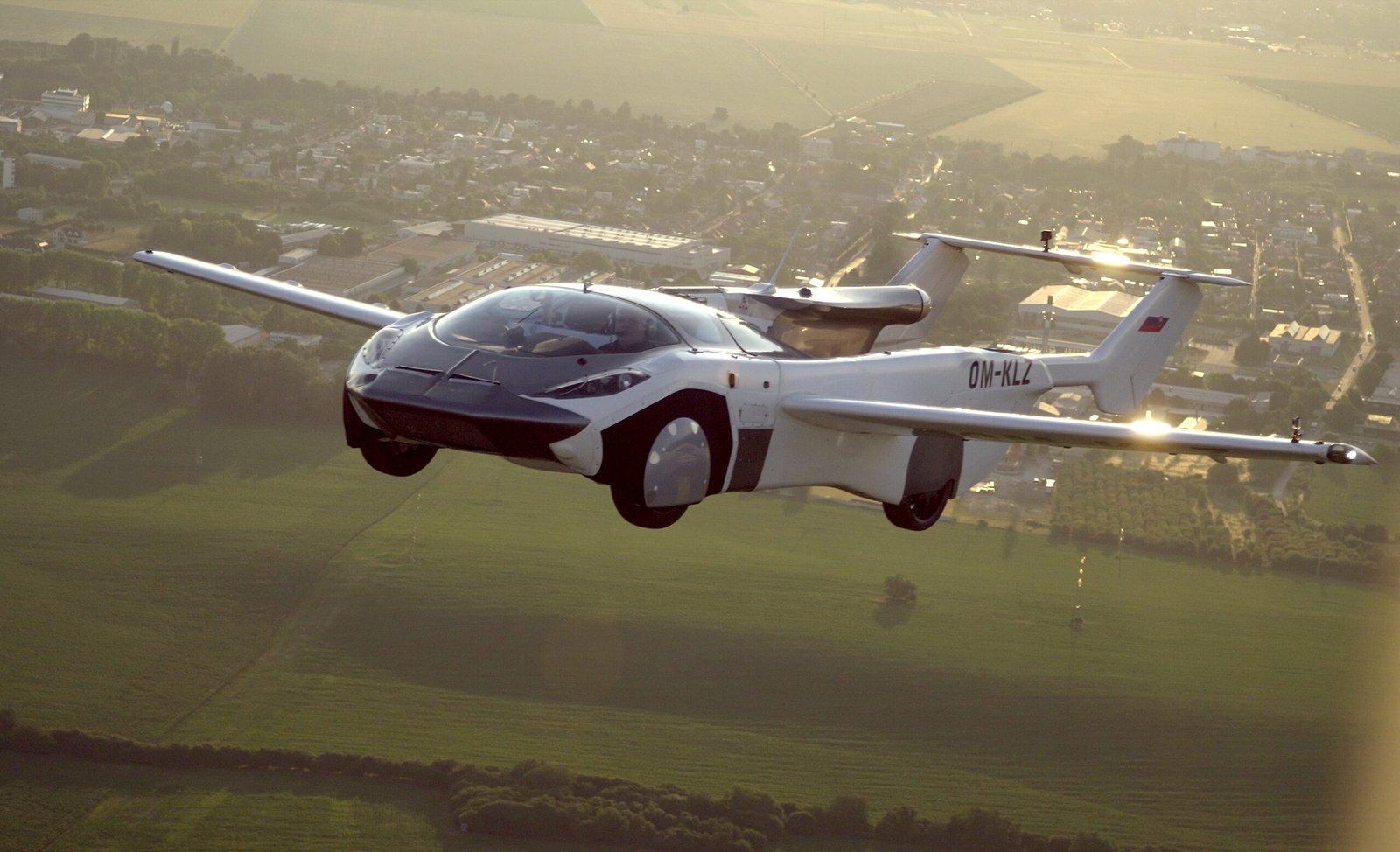
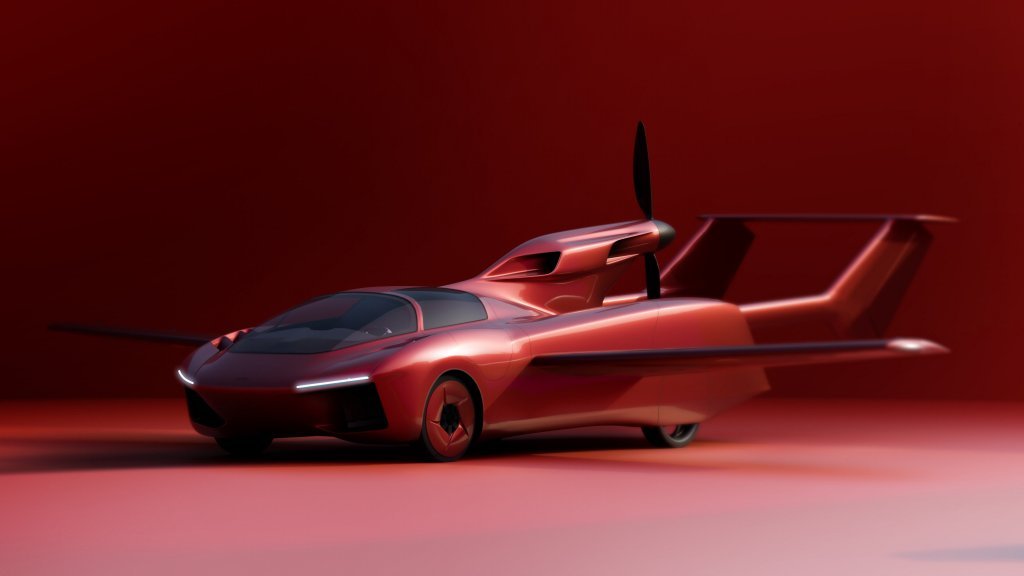
Eager teens reaching driving age in the next few years may be able to take their inaugural spin in a car … in the sky. The world’s first mass-produced flying automobile prototype has been unveiled, and we’re ready for a ride.
Created by Slovakia-based company Klein Vision, the AirCar production prototype made its public debut May 8, after making its insider debut at the 2025 Living Legends of Aviation Awards Ceremony in Beverly Hills late last month. At the event, Morgan Freeman and John Travolta presented the car’s inventor, Stefan Klein, with a Special Recognition Award for Engineering Excellence.
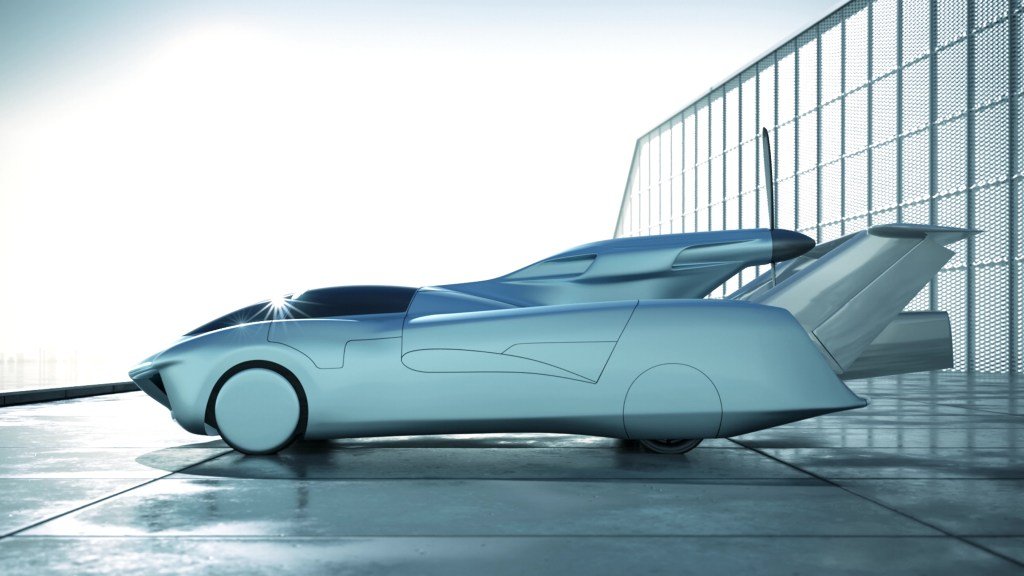
Per the company website, the AirCar is the result of Klein spending the past 20 years “converting his flying car dream into reality.” The vehicle already holds a Certificate of Airworthiness and has successfully completed over 170 flight hours and more than 500 takeoffs and landings. It’s capable of automatic transformation from car to aircraft in under two minutes, enabling the operator to simply drive to an airport and then take off.
“The AirCar fulfills a lifelong dream to bring the freedom of flight into the hands of everyday people,” Klein said in a news release. “With the launch of our production prototype, we are one step closer to transforming how the world moves — merging the road and the sky into a new dimension of personal mobility.”
Incredible footage has been uploaded to YouTube over the last few years featuring various earlier versions of the AirCar soaring among the clouds, including one from April 2024 showing the first passenger to go for a ride.
Klein Vision says the mass-produced model is expected to be priced between $800,000 and $1 million, depending on luxury features, with first units expected to be available to buy in the first quarter of 2026. And according to Klein Vision co-founder Anton Zajac, pre-orders are already coming in. He told tech outlet TNW there are a “few interested potential clients.”
The new model will run on gasoline and will be able to reach speeds of 155 mph, with a maximum flight range of about 621 miles. Zajac said the company plans to go electric “as soon as the energy density of the batteries is good enough.”
In the news release, Todd Douglas Miller, Emmy Award-winning director of the documentary Apollo 11, who attended the April awards ceremony, said: “From the cockpit of another aircraft, I watched the AirCar in flight. Stefan Klein and Klein Vision have turned the impossible into reality, merging dreams and science fiction into something breathtakingly real.”
And last year, James May, former host of Top Gear, visited Klein Vision and witnessed the AirCar in action at an international airport in Slovakia. “The AirCar has landed,” he said at the time. “Very rarely am I lost for words, but I am lost for words!”
Stories like this remind us of the power of human ingenuity and compassion. In a world where headlines are often dominated by negativity, it is refreshing to see developments that inspire hope and positive change. The story behind world’s first mass-produced flying car prototype unveiled is one that resonates with people across different backgrounds and cultures, highlighting the universal desire for progress and connection.
Wildlife conservation efforts have gained significant momentum in recent years as more people recognize the importance of protecting biodiversity. From habitat restoration projects to breeding programs for endangered species, conservationists are working tirelessly to ensure that future generations can experience the rich diversity of animal life on our planet. The connection between healthy ecosystems and human well-being has become increasingly clear, driving both policy changes and grassroots action around the world.
Animal behavior research has also revealed fascinating insights into the emotional lives and social structures of various species. Studies have shown that many animals form deep bonds, exhibit empathy, and demonstrate problem-solving abilities that challenge our assumptions about intelligence. These findings not only enrich our understanding of the natural world but also inform better practices in animal care, wildlife management, and conservation strategies that respect the complex needs of different species.
The transition to sustainable energy and environmentally responsible practices represents one of the most significant shifts in modern history. Communities around the world are embracing renewable energy sources, reducing waste, and reimagining how we interact with the natural environment. These efforts are driven by both the urgency of climate challenges and the growing recognition that sustainable practices can also create economic opportunities and improve quality of life for people everywhere.
Education and awareness play crucial roles in driving environmental change. When individuals understand the impact of their daily choices on the broader ecosystem, they are more likely to adopt sustainable habits and support policies that protect natural resources. From school programs teaching children about conservation to community initiatives that promote recycling and responsible consumption, every effort contributes to building a more sustainable future for all.
Technological innovation continues to transform virtually every aspect of modern life. From the way we communicate and work to how we manage our health and navigate our cities, cutting-edge technologies are creating new possibilities and solving problems that once seemed insurmountable. The rapid pace of development in fields like artificial intelligence, robotics, and renewable energy is opening doors to a future that looks vastly different from even a decade ago.
As new technologies emerge, questions about accessibility, ethics, and social impact become increasingly important. Ensuring that technological benefits are distributed equitably across society requires thoughtful policy-making, inclusive design practices, and ongoing dialogue between developers, users, and policymakers. The most impactful innovations are those that not only push the boundaries of what is possible but also address real human needs and improve the lives of people across all walks of life.
Art and creative expression have always played a fundamental role in how we process emotions, communicate ideas, and build connections across cultures. Whether through visual arts, music, literature, or performance, creative works have the power to inspire, challenge, and heal. In an increasingly digital world, artists are finding new ways to reach audiences and create experiences that bridge traditional and contemporary forms of expression.
Supporting the arts through public funding, community spaces, and educational programs is essential for maintaining a vibrant cultural landscape. Studies have consistently shown that engagement with the arts improves mental health, enhances cognitive abilities, and strengthens community bonds. By valuing and investing in creative endeavors, societies foster innovation, empathy, and a sense of shared identity that enriches the lives of all their members.
Looking ahead, developments like the one described in this story offer a glimpse into a future filled with possibility and positive change. While challenges certainly remain, the creativity, determination, and compassion demonstrated by the individuals and organizations involved serve as a powerful reminder that progress is always within reach when people are willing to work together toward a common goal.
As we continue to navigate the complexities of modern life, stories like these provide both inspiration and practical examples of how innovation, kindness, and perseverance can make a real difference. By sharing and celebrating these achievements, we not only honor the efforts of those involved but also encourage others to pursue their own ideas for creating positive change in their communities and beyond.


