
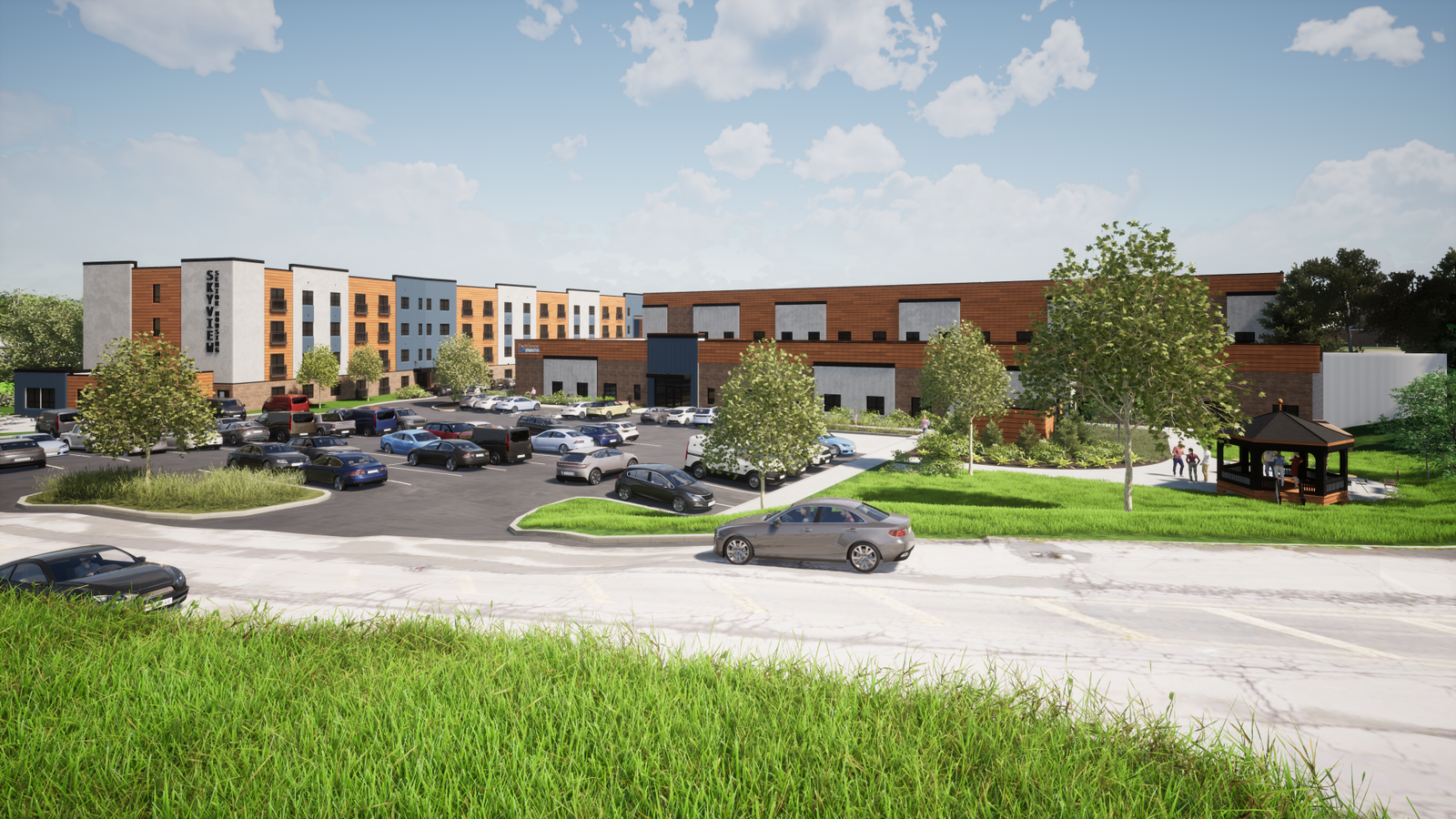
Across the United States, people are struggling to find homes they can afford. Also throughout the country, an abundance of retail space is sitting empty. A rising real estate trend could make a dent in both problems: turning abandoned malls and shopping centers into affordable housing.
Though plenty of malls still see action (anyone else never able to find a parking spot?), sales at the institutions have been in decline for decades. Hopping social hubs in the ’80s and ’90s, they’re increasingly competing with online retail platforms, and when it’s this easy to buy just about anything from your couch, hauling the family across town for school clothes is seldom going to win.
Per Atlas Obscura, another element that’s contributed to the fall of the American mall is the overabundance of them — by the 2000s, simply too many had been built for the industry to remain sustainable. And, of course, the COVID-19 pandemic didn’t do brick-and-mortar shopping any favors either.

In 2023, researchers with the Urban Land Institute wrote that estimates of how much surplus and obsolete retail space there is in the U.S. range from several hundred million to 1 billion square feet.
On the residential front, a 2024 report by the National Low Income Housing Coalition found that the lowest-income renters faced a shortage of 7.3 million affordable and available rental homes.
“As affordable housing needs and costs keep going up and a shortage of available vacant land is growing, why not use what we already have?” real estate developer Amy Casciani told Vox. “Why not creatively turn it around from being a blight on the community to an asset?”
Casciani’s nonprofit development group, PathStone, retrofitted an empty Sears department store that was part of a former mall outside Rochester, New York, transforming it into Skyview Park Apartments. The complex opened in 2022 and features 157 rental units affordable for adults 55 and older earning up to 60% of the median area income. Half of the units are reserved for people at risk of homelessness.
“This is a vision. This is more than just opening a housing unit. This is comprehensive care. This is comprehensive wellness. This is about community economics and a real amazing feat,” Dr. Bridgette Wiefling, executive vice president for Rochester Regional Health, told WHEC at the time.
A hop, skip, and coast away, in Santa Ana, California, an underutilized strip mall site became La Placita Cinco apartments, 51 units that are affordable for households earning 30%-60% of the median area income.
Both sites were featured in a report from Enterprise Community Partners In November 2023. Replicating an analysis by Boston’s Metropolitan Area Planning Council, or MAPC, and scaling it to the national level, Enterprise found that converting just 10% of underperforming strip mall space into housing could create 700,000 new units.
“Strip malls, they’re ubiquitous, they’re everywhere, they’re often underperforming,” MAPC’s land use planning director, Mark Racicot, explained to Fortune. “In many cases, they already fit in the neighborhood.”
In Phoenix, three major malls are being transformed into mixed-use space that will include thousands of apartments. Developers are working with the city, which has committed to creating or preserving 50,000 housing units by 2030 to address the current shortage of homes. California took a similar approach in 2022, when it passed two bills targeted at making it easier to build housing on land currently zoned for commercial use.
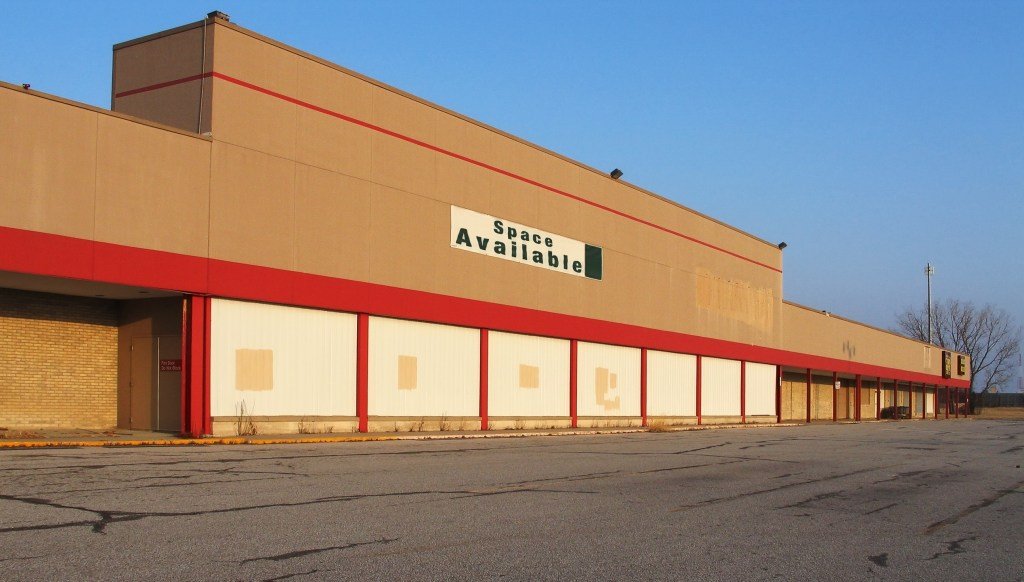
“I think this has huge potential across the U.S.,” June Williamson, a professor of architecture at City College of New York and co-author of several books on building reuse, said of the real estate trend. “All the land that’s already developed for retail use and scattered at very low density all around the United States has the capacity to accommodate all different kinds of housing types.”
RELATED: Underutilized Churches Across the US Are Transforming Portions of Their Property Into Affordable Housing
The implications of this discovery extend across multiple scientific disciplines, opening new avenues for research and collaboration. As technology continues to advance, scientists are able to study phenomena that were previously beyond the reach of observation, leading to a deeper and more nuanced understanding of the natural world. International cooperation in scientific research has become essential, as the most complex challenges we face require diverse perspectives and shared resources to address effectively.
Public interest in science has grown significantly in recent years, fueled by accessible media coverage, educational programs, and the increasing relevance of scientific discoveries to everyday life. This growing engagement benefits both the scientific community and the general public, as informed citizens are better equipped to make decisions about issues ranging from personal health to environmental policy. Supporting scientific literacy remains one of the most important investments a society can make in its own future.
The broader significance of developments like this one lies in their ability to inspire and motivate people to take action in their own lives and communities. Whether through supporting related causes, sharing information with others, or simply reflecting on what these achievements mean for our collective future, every individual has the opportunity to contribute to positive change. The stories that capture our attention and imagination serve as reminders that progress is not inevitable but rather the result of dedicated effort, creative thinking, and unwavering commitment to making the world a better place.
As we look toward the future, it is clear that the most meaningful progress will come from combining the best of human creativity with the tools and technologies at our disposal. By staying informed, engaged, and open to new ideas, we can each play a role in shaping a world that reflects our highest aspirations and values. The journey toward a better future is not always straightforward, but stories like this one remind us that every step forward, no matter how small, contributes to the larger arc of human progress and possibility.
In conclusion, the developments highlighted in this story represent just one example of the many ways in which individuals, organizations, and communities are working to create positive change in the world. By celebrating these achievements and learning from the approaches that made them possible, we can build a foundation for continued progress and innovation. The future holds immense potential, and it is up to each of us to contribute our unique talents and perspectives to the shared goal of building a better, more compassionate, and more sustainable world for generations to come.


